
The short answer
Both work for hot, cold and central heating pipework in a home. Plastic barrier pipe — polybutylene or PEX — comes in long coils, bends round obstacles, needs no flame and is usually quicker to install, but it needs inserts, closer clipping and protection from sunlight and rodents. Copper is rigid, neat on show, non-combustible and solderable, and boiler makers often want it for the first length from the boiler. Many plumbers use both.
Plastic and copper pipe compared
| Plastic (PB or PEX barrier pipe) | Copper (Table X) | |
|---|---|---|
| Comes as | Coils from 25m to 150m, and 3m or 6m straight lengths | 3m lengths, singly or in packs of ten |
| Joints | Push-fit, or compression with an insert | Solder, compression, push-fit or press-fit |
| Flame needed | No | Only for soldered joints |
| Flexibility | Bends gently by hand; long runs thread through joists | Rigid; bends need a bender or a fitting |
| Central heating | Yes, in barrier pipe | Yes |
| On show | Usually hidden | Neat; chrome-plated copper for exposed pipes |
| Support | Clipped much closer, with room to expand | Wider clip spacing |
| Weak spots | Sunlight, rodents, heat sources, stray nails and screws | Price follows the metal market; splits when frozen |
| Finding it later | Most pipe and cable detectors won't find it | Shows up on a metal detector |
Per metre, plastic in coils usually costs less than copper, and long runs need fewer fittings — although each push-fit fitting costs more than a solder one. The bigger saving is time: a coil threaded under a floor replaces a dozen joints. Copper's advantages are rigidity, a neat finish where it's seen, and that it doesn't mind heat.
PB, PEX, barrier and multilayer: which plastic?
Domestic plastic plumbing pipe in the UK is sized like copper — 10mm, 15mm, 22mm and 28mm outside diameter — so it fits the same push-fit fittings. There are two main materials, plus multilayer:
- Polybutylene (PB): Hep2O and Polyplumb pipe are polybutylene. It's flexible and easy to thread through joists.
- Cross-linked polyethylene (PEX): a little stiffer, used by several push-fit systems and widely for underfloor heating.
- Multilayer (MLCP): an aluminium layer sandwiched between plastic. It holds its shape when bent, like soft copper, and the aluminium makes a complete oxygen barrier. It uses its own multilayer fittings, often in sizes such as 16mm and 20mm that don't match copper.
Barrier pipe has a thin layer built into the wall that slows oxygen soaking through it. Oxygen getting into a heating system corrodes radiators and boiler parts and makes sludge, so always use barrier pipe for central heating. Non-barrier pipe is acceptable for hot and cold water only. The pipe's printed markings tell you which it is.
Stick to one maker's system on a run. Push-fit makers test and guarantee their fittings with their own pipe, and inserts in particular are made for a specific pipe.
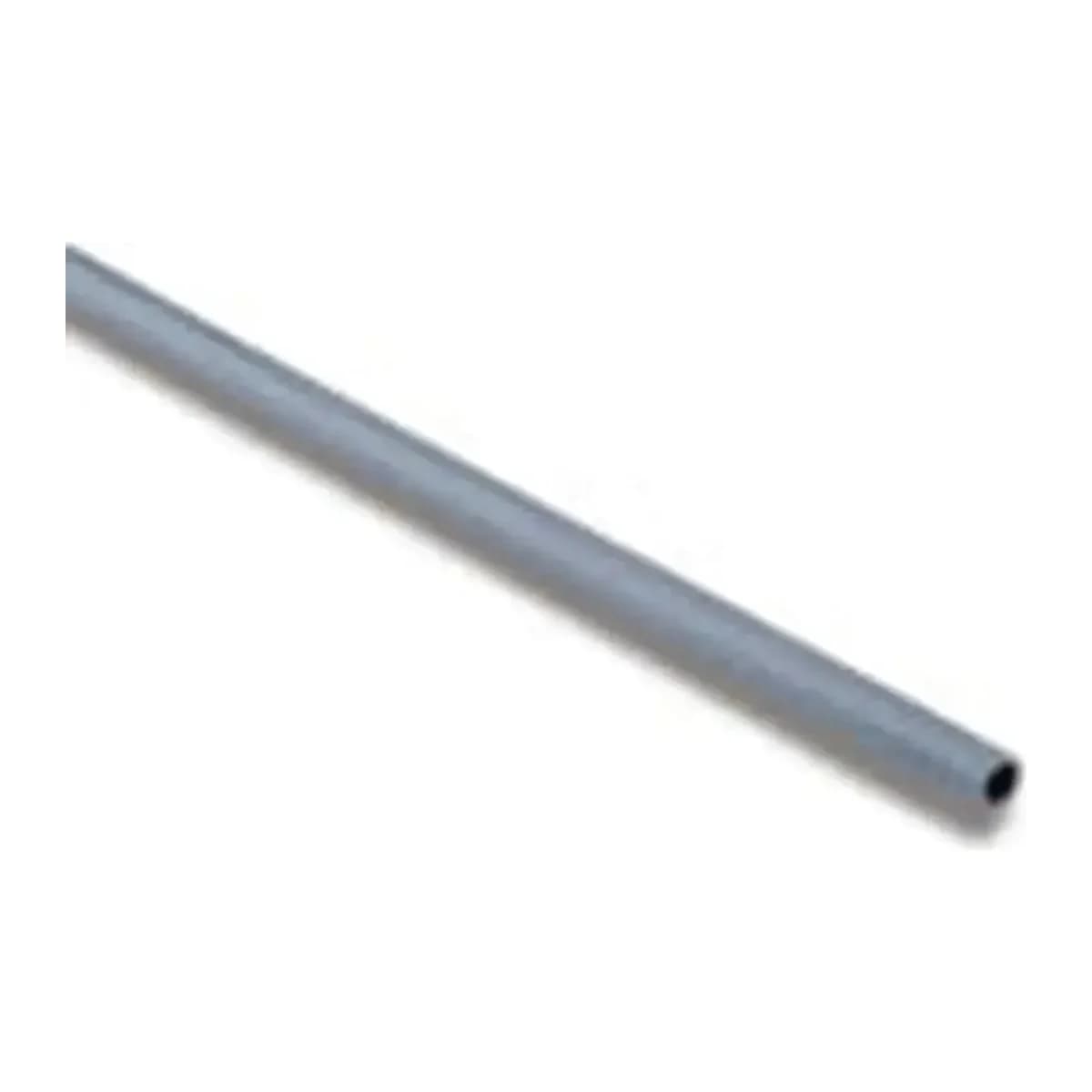 In stock
Polyplumb
Polyplumb PB Barrier Pipe - Length (Grey)6 sizes available
Frominc VAT£7.68 ex VAT
✓ Delivery available✓ Collect today
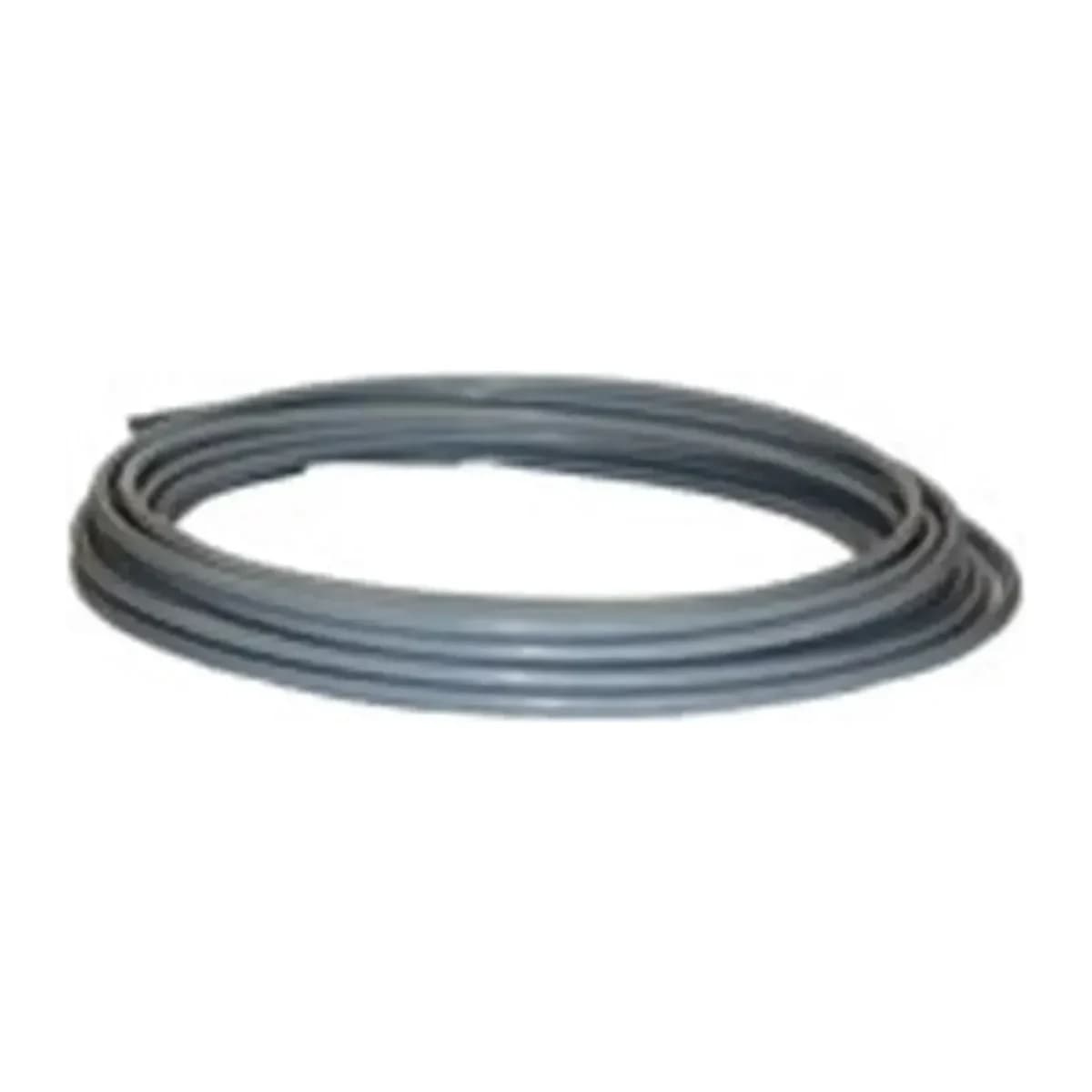 In stock
Polyplumb
Polyplumb PB Barrier Pipe - Coil13 sizes available
Frominc VAT£39.62 ex VAT
✓ Delivery available✓ Collect today
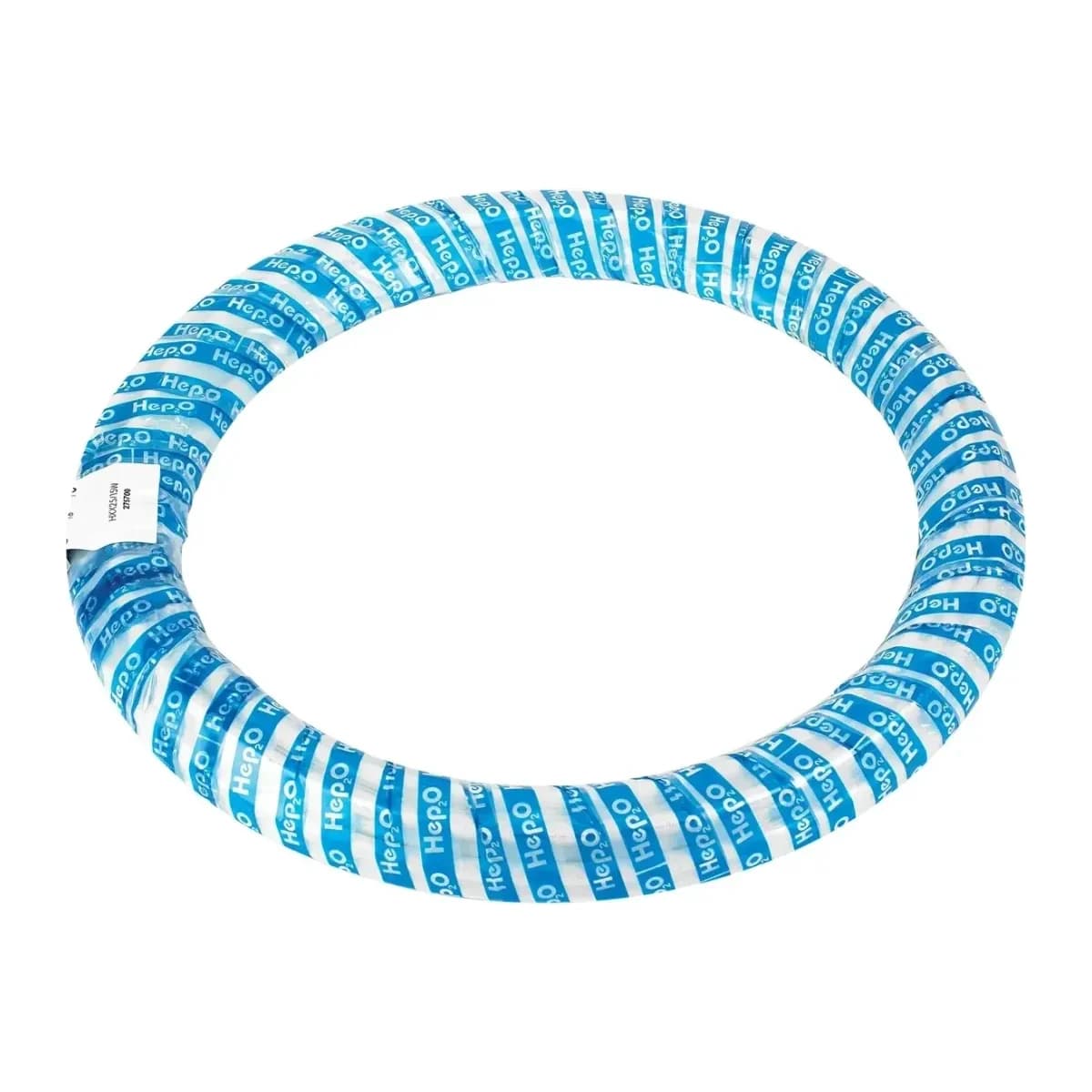 In stock
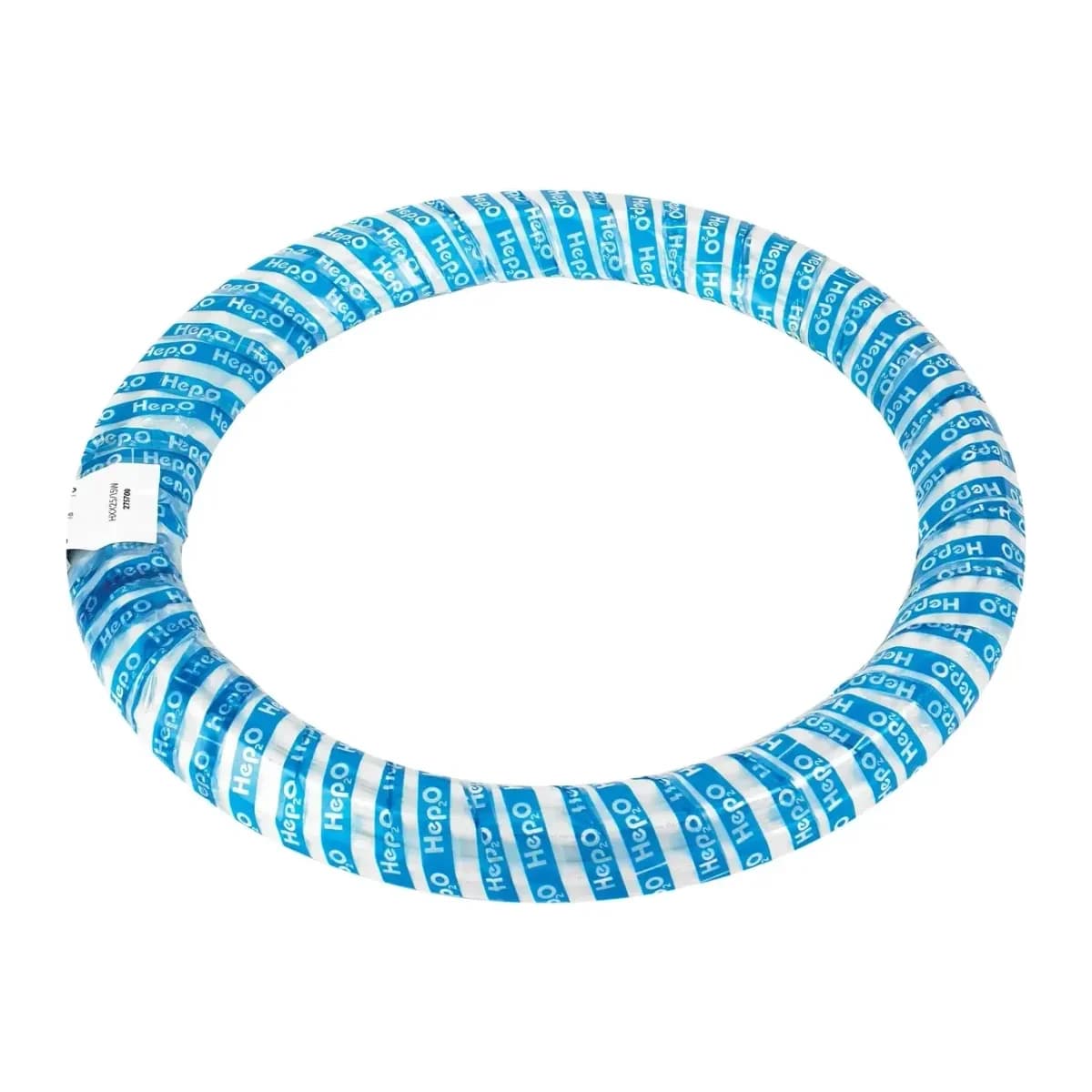 In stock
Do you need pipe inserts with plastic pipe?
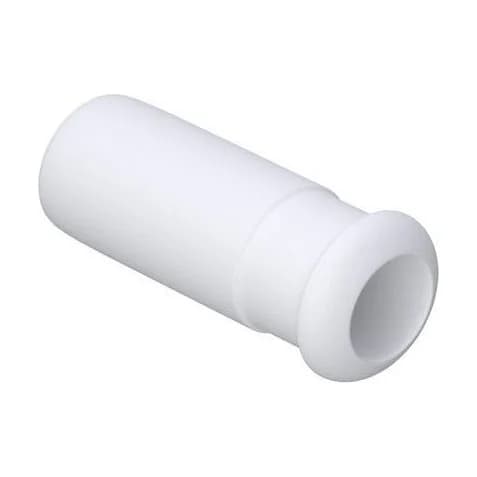
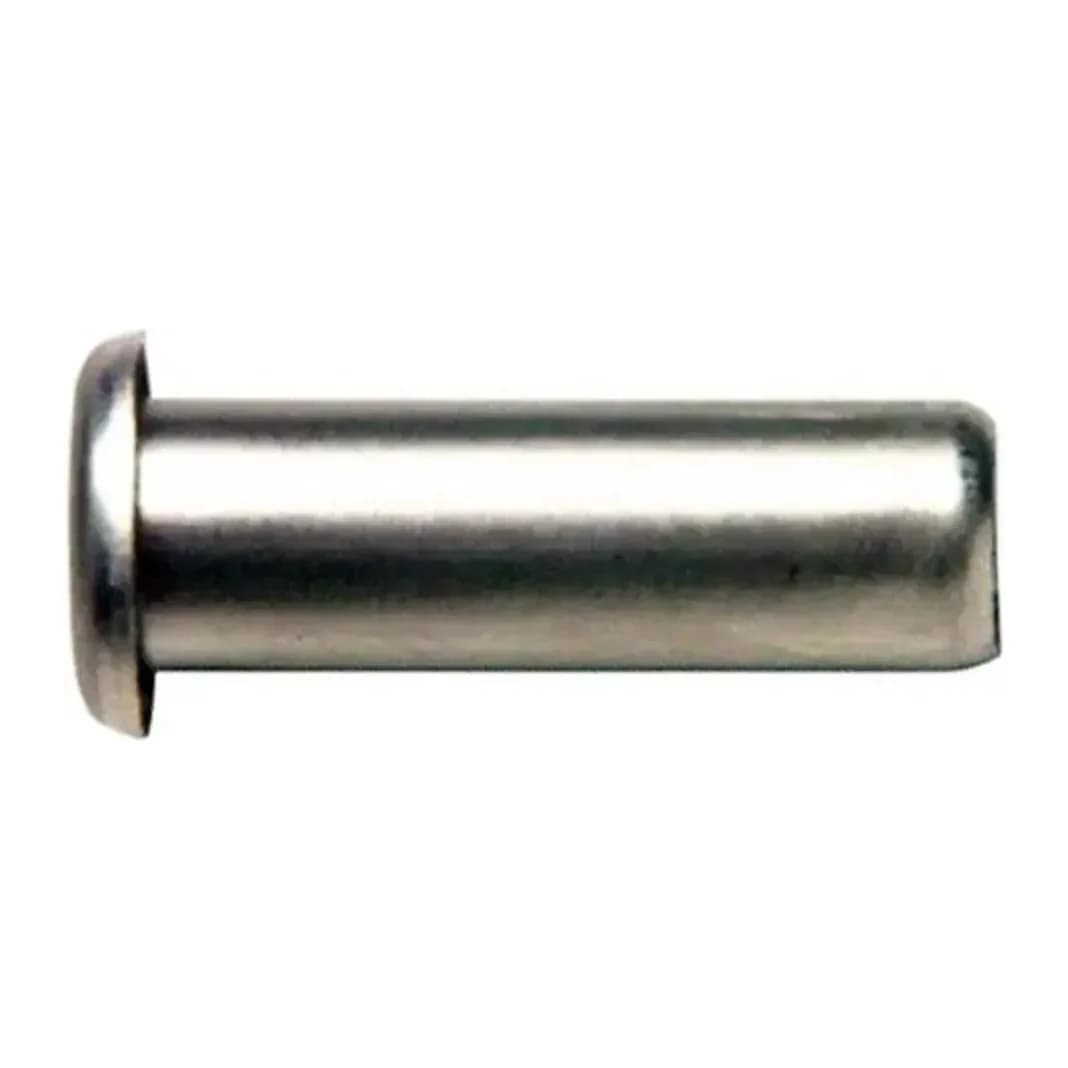
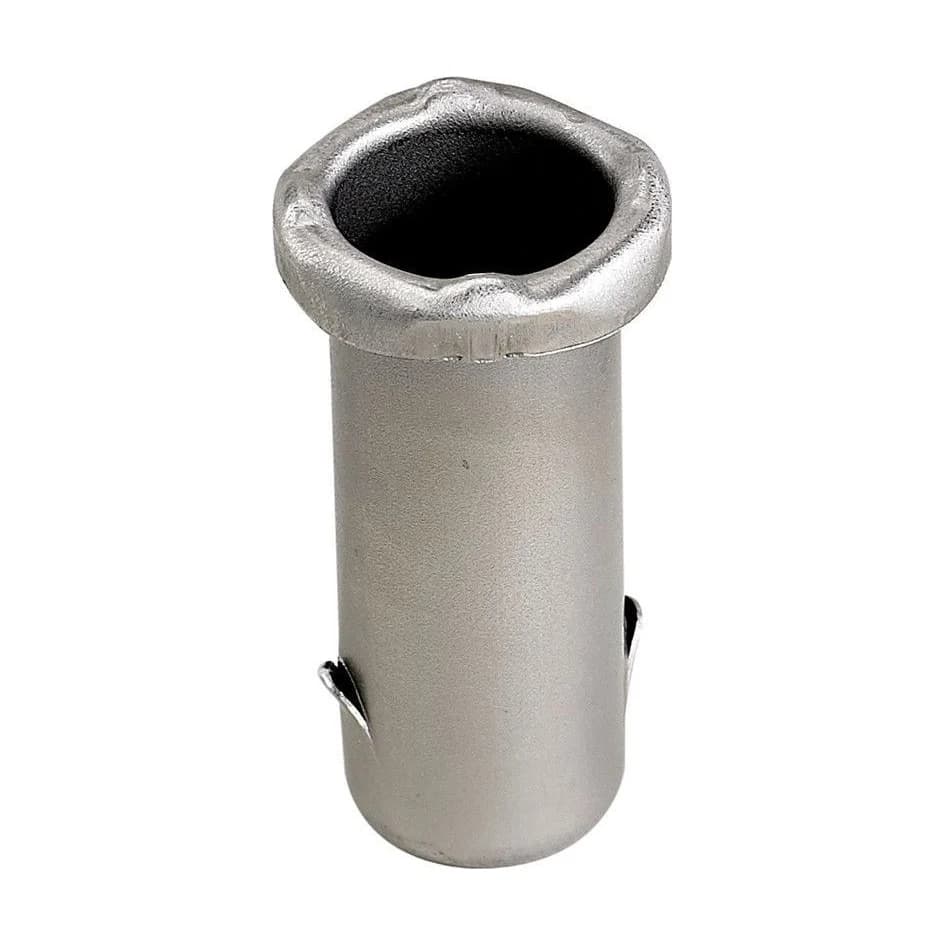
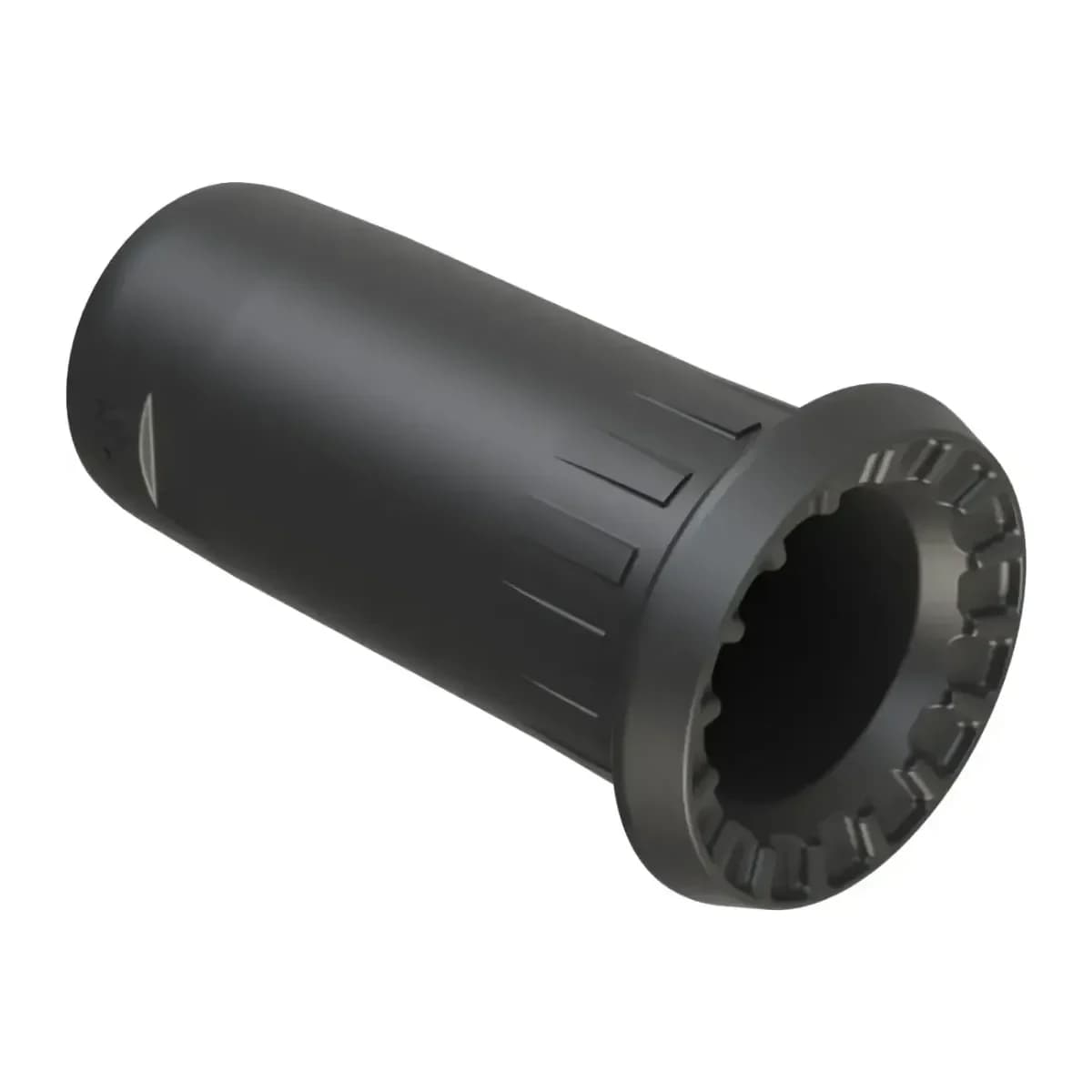
Yes, in almost every joint. A pipe insert — also called a stiffener or support sleeve — is a short sleeve pushed into the end of plastic pipe so it keeps its round shape inside the fitting. Without one, the pipe can squash, the O-ring may not seal, and the pipe can pull out under pressure.
- Push-fit fittings on plastic pipe: use the insert the fitting maker specifies. Hep2O uses its own support sleeves and Polyplumb its own inserts; follow the instructions on the pack.
- Compression fittings on plastic pipe: always use an insert the maker approves for compression joints, and don't overtighten the nut.
- On copper pipe: no insert is needed.
- Cut plastic pipe with a plastic pipe cutter for a square, clean end, and mark the insertion depth so you can see it's fully home.
We stock 13 insert and stiffener lines from £0.28, and release tools for taking push-fit fittings apart are on the push-fit tools shelf.
 In stock
KeyPlumb
KeyPlumb 15mm Plastic Pipe Insert K21780Code: LP-4WJ1KQ
inc VAT£0.23 ex VAT
✓ Delivery available✓ Collect today
 In stock
Polyplumb
Polyplumb Pipe Stiffener (Stainless Steel)3 sizes available
Frominc VAT£0.48 ex VAT
✓ Delivery available✓ Collect today
 In stock
Hep2O
Hep2O Support Sleeve HX602 options available
Frominc VAT£0.53 ex VAT
✓ Delivery available✓ Collect today
 In stock
Can you use plastic pipe for central heating and near the boiler?
Yes for central heating, in barrier pipe rated for heating temperatures and pressures — check the rating printed on the pipe against the system. Near the boiler and other heat sources is where copper earns its place:
- At the boiler: many boiler makers want the first length of pipework from the boiler — often around a metre — in copper. It isn't a universal rule, so check the boiler's installation manual before running plastic up to the connections.
- Unvented cylinders: the discharge pipe from the tundish must withstand very hot water, so it's run in copper (or another material proven for the job), not push-fit plastic. Unvented work is for a qualified installer.
- Heat sources: keep plastic away from flues and anything hotter than its rating. Solid-fuel stoves and back boilers can run hotter than plastic is designed for, so use copper on those circuits.
- Gas: push-fit plastic pipe is for water and heating only, never gas.
A common, sensible split is copper at the boiler, cylinder and anywhere on show, and plastic for the long hidden runs under floors and through joists. Push-fit fittings join the two directly — see compression vs push-fit vs solder. And whatever the pipe, a heating system needs inhibitor and ideally a filter: see the magnetic filter and inhibitor guide.
Replacing copper with plastic: earth bonding
Metal water and gas pipes are connected to the electrical earth by main protective bonding — the green-and-yellow cable and clamp near where each service enters the building. Some homes also have supplementary bonding linking pipes in the bathroom. Swap a section of copper for plastic and that continuity can be broken, leaving the metal pipework, taps or radiators beyond it unbonded.
- Before cutting into metal pipework, plumbers fit a temporary continuity bond — a lead clamped either side of the cut — because a fault elsewhere can make a pipe live.
- Don't remove a pipe that carries a bonding clamp without arranging for the bond to be reconnected.
- After re-piping in plastic, have a qualified electrician check the bonding against the wiring regulations (BS 7671). Don't add or remove bonds yourself.
Where plastic needs extra care
- Sunlight: UV breaks plastic pipe down. Don't leave it exposed outdoors or in sunlight through a window, store coils out of the sun, and fully cover any outside run.
- Rodents: rats and mice can gnaw plastic pipe in floor voids, lofts and outbuildings. Where they're a known problem, copper is the safer choice.
- Support and expansion: plastic sags between clips and expands several times as much as copper when hot. Clip it at the maker's spacing and leave room for movement on long heating runs.
- Bends: plastic bends by hand, but only to the maker's minimum radius; use their bend supports, and an elbow for anything tighter.
- Nails and screws: a fixing through a floorboard into plastic pipe is a slow leak waiting to happen. Photograph and mark runs before boarding over — detectors won't help you later.
- Frost: plastic is more forgiving of freezing than copper but not frost-proof. Insulate it in lofts and unheated spaces — see the pipe insulation guide.
Copper has its own weak points: the price follows the metal market, the neatest joints need a flame or a press tool, and it splits if it freezes. For copper grades and sizes, see copper pipe Table X, Y and Z and 15mm vs 22mm pipe.
Pipe and push-fit fittings on our shelves
| Product | Lines | From |
|---|---|---|
| Plastic pipe | 37 | £9.21 |
| Copper tube | 16 | £18.92 |
| Pipe inserts and stiffeners | 13 | £0.28 |
| Push-fit elbows | 12 | £2.80 |
| Push-fit couplers | 8 | £2.15 |
Questions
- Is plastic pipe as good as copper?
- For hidden hot, cold and heating pipework, yes: barrier pipe installed properly, with inserts, lasts well and is widely used. Copper is still preferred on show, at the boiler, and where rodents or heat are a risk.
- Can I use plastic pipe for central heating?
- Yes, as long as it's barrier pipe rated for heating. Non-barrier pipe lets oxygen into the system, which corrodes radiators and the boiler.
- Can you join plastic pipe to copper?
- Yes. Push-fit fittings take both, so a push-fit coupler joins them directly. Compression fittings work too, with an insert in the plastic pipe.
- Do you need inserts in plastic pipe?
- Yes, in almost every joint, push-fit or compression. Use the insert the fitting maker specifies for that pipe.
- Can plastic pipe go straight onto a boiler?
- Often not. Many boiler makers want copper for the first length from the boiler, commonly around a metre. Check the boiler's installation manual.
- Does replacing copper pipe with plastic affect earthing?
- It can. Plastic breaks the electrical continuity of metal pipework, so the bonding may need changing. Have a qualified electrician check it after re-piping.