
The short answer
Match the insulation's bore to the pipe — 15mm insulation on 15mm pipe — then pick the wall thickness for the space: 9mm is fine inside the heated home, 13mm or more in lofts, garages and under floors, and 19–25mm nitrile rubber outside. Polyethylene foam is the cheapest; nitrile rubber is tougher, more flexible and lasts longer. Tape every joint, mitre the bends, and insulate heating and hot water pipes as well as cold ones.
Polyethylene foam or nitrile rubber?
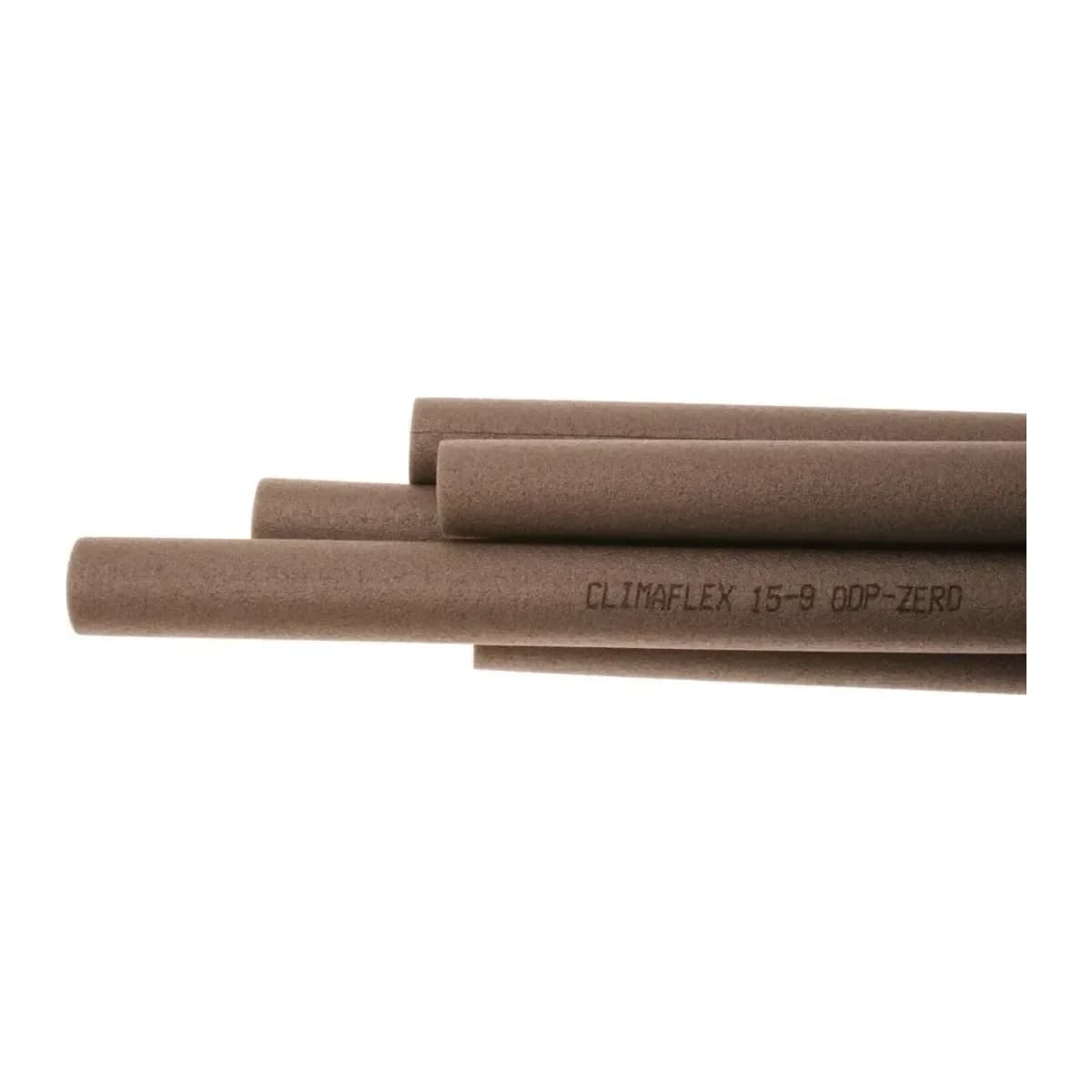
Most pipe insulation sold today is one of two closed-cell materials, so unlike old fibre lagging it doesn't soak up water.
| Polyethylene (PE) foam | Nitrile rubber | |
|---|---|---|
| What it is | Grey foam tube, split along its length | Black elastomeric (rubber) tube, often with a self-seal strip |
| Cost | Cheapest | Costs more for the same length |
| Fit | Fine on straight runs; creases on tight bends | Flexible; follows bends and grips the pipe |
| Durability | Fine indoors; breaks down in sunlight | Tougher and longer-lasting, indoors and out |
| Best for | Pipes inside the home, loft runs on a budget | Lofts, outside, unheated spaces, boiler pipework, cold pipes that sweat |
Nitrile performs better almost everywhere; polyethylene is the sensible choice where there's a lot of pipe to cover indoors and the budget matters. Our shelves carry both, with walls from 9mm to 25mm on 15mm, 22mm and 28mm pipe.
 In stock
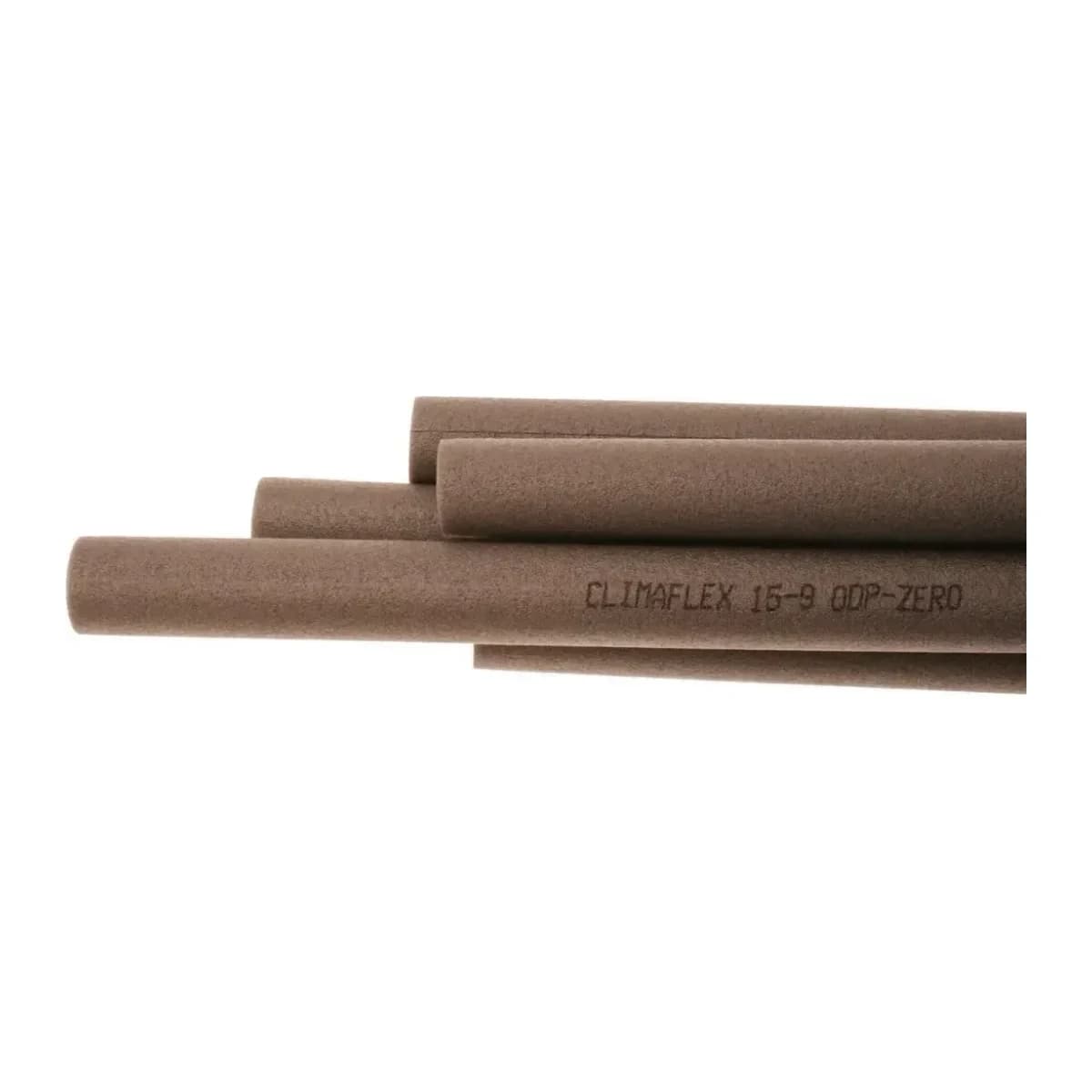 In stockPipe Lagging K-Flex PE Foam 1m x 22mm x 9mm
Code: LP-JUNECG
inc VAT£1.94 ex VAT
✓ Delivery available✓ Collect today
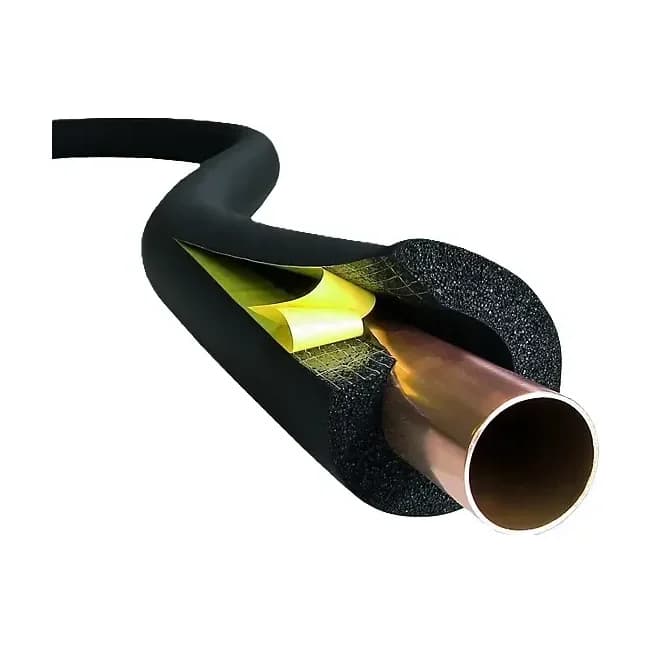 In stockK-Flex Self-Seal - Nitrile Rubber Pipe Insulation -2m
10 sizes available
Frominc VAT£5.26 ex VAT
✓ Delivery available✓ Collect today
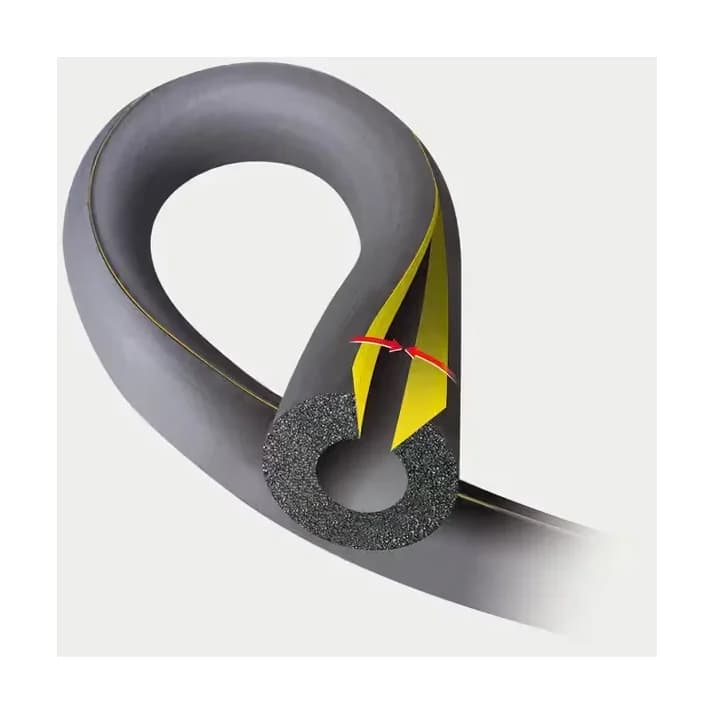 In stockNitrile Pipe Insulation - 15mm x 25mm - K-Flex Self Seal - 2m
Code: LP-4Y9LEI
inc VAT£20.03 ex VAT
✓ Delivery available✓ Collect today
What size pipe insulation do I need?
Pipe insulation is sold by two numbers: the bore, which matches the pipe's outside diameter, and the wall thickness. "15mm × 13mm" fits 15mm pipe and is 13mm thick.
- Match the bore exactly: 15mm insulation for 15mm pipe, 22mm for 22mm, 28mm for 28mm. Too big leaves an air channel and slides round the pipe; too small gapes open at the split.
- Larger pipe — 35mm, 42mm and 54mm — turns up in plant rooms and commercial work; we carry lagging in those sizes too.
- Thicker is better wherever frost or heat loss is the worry. Insulation slows heat flowing in or out; the thicker the wall, the slower it goes.
| Where the pipe runs | Suggested wall | Type |
|---|---|---|
| Inside the heated home, to cut heat loss | 9mm–13mm | PE foam or nitrile |
| Airing cupboard, pipes at the hot water cylinder | 13mm | Nitrile or PE foam |
| Loft, garage, under a suspended floor | 13mm at least; 19mm–25mm where frost is likely | Nitrile |
| Outside walls, outbuildings, outside taps | 19mm–25mm | Nitrile, protected from sunlight |
| Cold pipes in a warm space, to stop condensation | 13mm or more, every joint sealed | Nitrile |
These are rules of thumb, not a calculation. The formal method for working out thickness — for frost protection, heat loss or condensation — is BS 5422, which specifiers use on larger jobs. And insulation only slows freezing: it can't save water that sits still in a freezing loft for days. Our guide to stopping pipes freezing covers the rest of winter-proofing.
Do Building Regulations require pipe insulation?
For heating and hot water, in most new and replacement work, yes. Approved Document L (conservation of fuel and power) and the Domestic Building Services Compliance Guide that goes with it expect heating and hot water pipework to be insulated when a system is installed or replaced — in particular primary pipework running outside the heated parts of the home, and the pipes connected to a hot water cylinder. The compliance guide limits how much heat each size of pipe may lose, and the insulation thickness has to meet that.
The Water Supply (Water Fittings) Regulations 1999 add a requirement of their own: water fittings must be protected from damage by freezing, so pipes in lofts, garages, under floors and outside need insulating.
Cold water pipes benefit too. Insulating them where they run beside heating pipes or through warm spaces helps keep the water cool and stops condensation dripping onto ceilings and floors. On cold pipes, seal every joint: moist air that gets under the insulation condenses on the pipe.
If you're unsure what applies to your job, your installer or local Building Control can confirm.
Class O and fire ratings explained
Class O is an older British rating for how far flame spreads across a surface, based on the BS 476 fire tests. You'll still see it on quotes and specifications. Newer specifications use the European classes from BS EN 13501-1; pipe insulation is tested as a linear product, so its class carries an L — BL-s3,d0, for example.
- In most houses, lagging in the loft or under the floor isn't something a fire rating is asked for.
- It matters in escape routes, communal areas of flats, commercial ceiling voids and anywhere a specification calls for it.
- Ratings vary product to product, even within one material, so check the data sheet rather than assuming.
- Where an insulated pipe passes through a fire-resisting wall or floor, the hole needs proper fire-stopping — a separate product, and on most projects the main contractor's job.
How to fit pipe insulation and tape the joints
- Measure the runs and count the bends, tees and valves, then buy a little extra for mitres and offcuts.
- Fit it to clean, dry pipe, with the heating off if you can — self-seal adhesive and tape both stick better.
- Open the split and push it over the pipe, with the split underneath or towards the wall, where it's less likely to be knocked open.
- Butt lengths tightly together. Gaps are where heat escapes and pipes freeze.
- Mitre the bends. Cut two 45° ends to meet neatly round an elbow rather than squashing a straight length round it. At a tee, cut a V-notch in the run and shape the end of the branch piece to fit it.
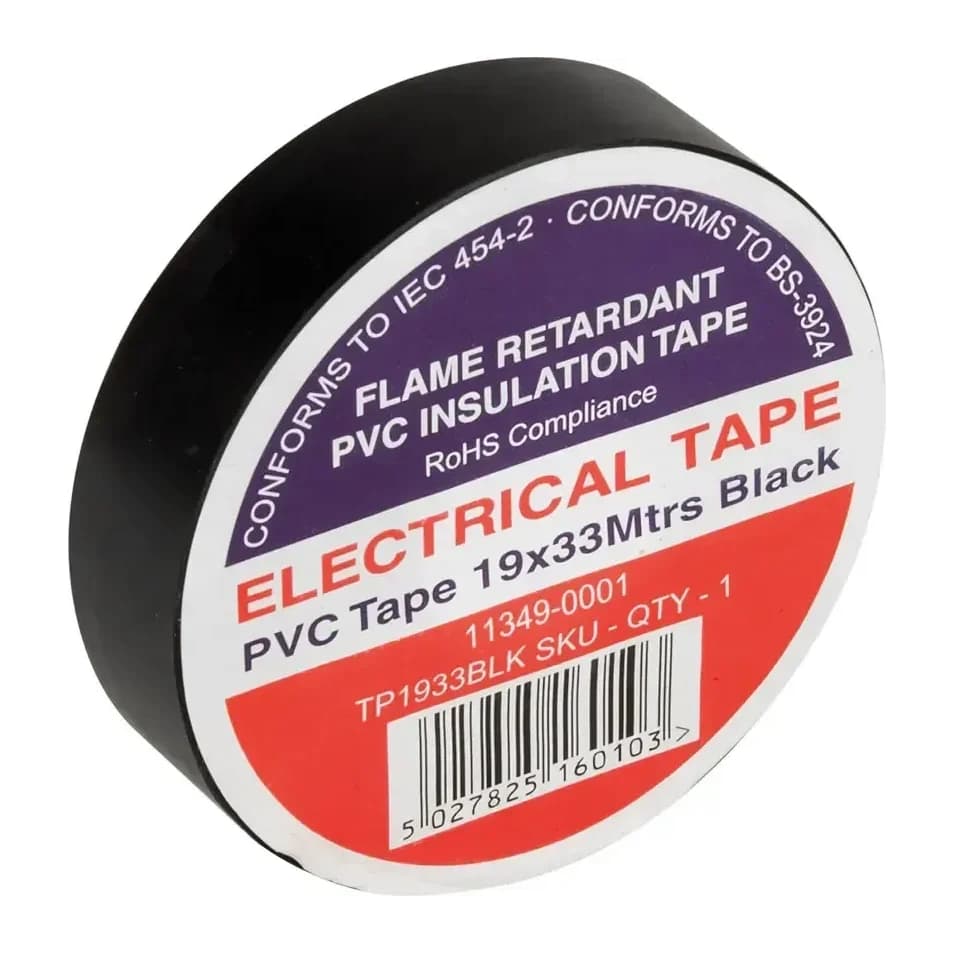
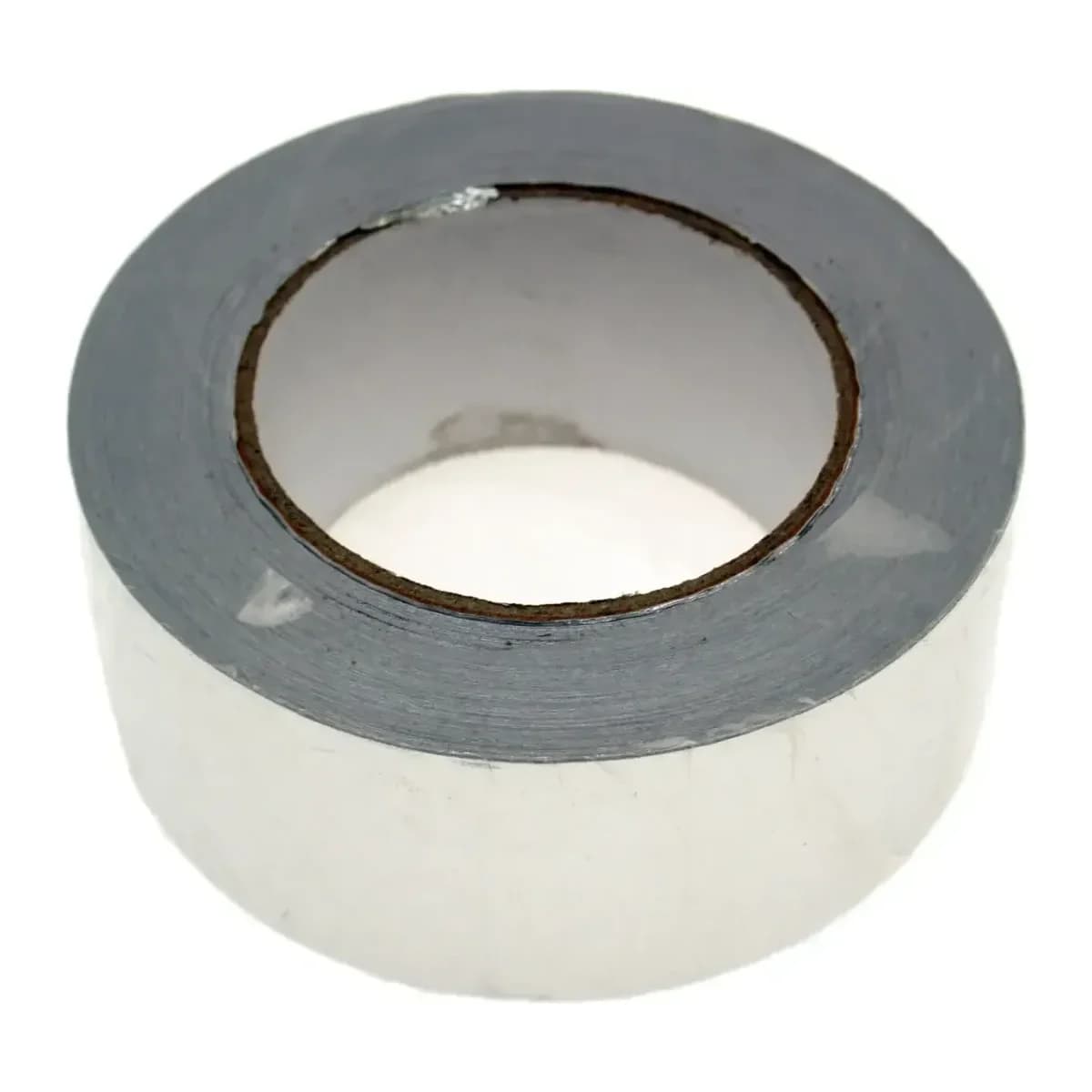
- Tape every joint and mitre with PVC or aluminium foil tape, and tape round non-self-seal foam every so often so the split can't spring open.
- Insulate valves and fittings too, but keep stop taps, drain-offs and isolating valves reachable — leave a short removable piece over them.
- Keep it continuous through joists and walls as far as you can, especially where a pipe passes from a heated space into a cold one.
A cold water tank in the loft needs its own jacket: insulate the top and sides but not underneath, and leave the loft insulation out from under it, so a little warmth from the room below reaches it. A hot water cylinder without factory foam needs a cylinder jacket — we stock cylinder jackets and tank lagging sets alongside the pipe insulation.
Insulating pipes outside and in unheated spaces
Outdoor pipework gets wet, sunlit and knocked, so it needs more than a sleeve of foam:
- Use nitrile at 19mm or 25mm wall where you can; polyethylene foam doesn't last long in sunlight.
- Protect it from UV. Makers of rubber insulation generally recommend a protective finish, wrap or cladding outdoors; foil tape over the joints helps.
- Seal the ends and joints so rain can't track in under the insulation.
- Isolate and drain outside taps for the winter and fit an insulated cover. Insulation won't save a tap full of still water.
- In garages, lofts and under floors, insulate every exposed length, including short tails to cisterns and valves. The bit you leave bare is the bit that freezes.
 In stock
 In stock
We stock 41 insulation and lagging lines from £1.25. Our Winter Ready page gathers the rest of the cold-weather kit.
Questions
- What size pipe insulation do I need for 15mm pipe?
- 15mm bore insulation. Then choose the wall thickness for the space: 9–13mm indoors, thicker in lofts, garages and outside.
- What thickness of pipe insulation should I use in a loft?
- At least 13mm, and 19–25mm nitrile where frost is likely or the pipes are exposed. A thicker wall buys more time before a pipe freezes.
- Is nitrile rubber better than foam pipe insulation?
- It's tougher, more flexible, seals better and lasts longer, especially outside. Polyethylene foam is cheaper and fine for pipes inside the home.
- Do I need to insulate central heating pipes?
- In new and replacement work, Approved Document L expects heating and hot water pipework to be insulated, particularly outside the heated parts of the home. It also cuts wasted heat.
- What is Class O pipe insulation?
- An older British fire rating for low flame spread across a surface. Newer specifications use European classes such as BL-s3,d0. Check the data sheet where a rating is required.
- Should I insulate cold water pipes?
- Yes — in lofts, garages and outside to protect against frost, and indoors where they run near heating pipes or drip with condensation.
- Should I tape the joints in pipe insulation?
- Yes. Tape butt joints, mitres and the split on non-self-seal foam. Gaps let heat out and let pipes freeze.
Related guides
- Heating & boilersCombi vs System vs Regular Boiler: Which Do You Need?