
The short answer
Turn the boiler off and let the system cool. On an open-vented system, stop the loft feed tank refilling; on a sealed system, check the filling loop is closed. Push a hose onto the drain cock at the lowest point, run it outside to a drain, open the drain cock, then open the radiator bleed valves from the top floor down to let air in. Refill slowly, bleed, re-pressurise and add inhibitor.
Do you need to drain the whole system?
Often you don't. Drain only as much as the job needs:
| Job | Drain the system? |
|---|---|
| Taking a radiator off to decorate, or swapping it for one with the same pipe centres | No — close both of its valves and drain just that radiator |
| Changing a TRV head | No — see radiator valve types |
| Replacing a radiator valve body | Down to below that valve, or freeze the pipe |
| Changing a pump with isolating valves either side | Usually not — close the valves |
| Adding a radiator, moving pipes or fitting a magnetic filter | Usually yes, at least partly |
| Cleaning out sludge with a system cleaner | Yes — clean, drain and flush, then refill |
To take one radiator off without draining, close the lockshield, counting the turns, and close the other valve — on a TRV, fit the manual cap that came with it, as some heads don't shut off fully. With a tray and towels underneath, crack the nut between valve and radiator and open the bleed valve to let the water out.
Open-vented or sealed: which system do you have?
How you drain and refill depends on how the heating is fed:
| Open-vented | Sealed | |
|---|---|---|
| How to tell | A small feed and expansion tank in the loft, besides the big cold water tank; usually a regular boiler and a hot water cylinder | A pressure gauge on or under the boiler, a filling loop and an expansion vessel; combi and system boilers |
| Topped up from | The feed and expansion tank, by gravity, through a float valve | The mains, through the filling loop |
| Before draining | Turn off the feed to the tank, or tie its float arm up | Make sure the filling loop is closed |
| After refilling | The tank refills itself; check its level once the system is cold | Top up to the cold pressure on the gauge |
Not sure which you have? See combi vs system vs regular boilers.
What you'll need
- A hose long enough to reach a drain outside, ideally a drain-down hose with a hose clip.
- A spanner, pliers or drain cock key to turn the drain cock's square spindle.
- A radiator key for the bleed valves, plus towels and a tray.
- Inhibitor to dose the system when it's refilled, and a system cleaner if the water comes out black.
- A spare drain cock in case the old one is seized or weeps when you close it.
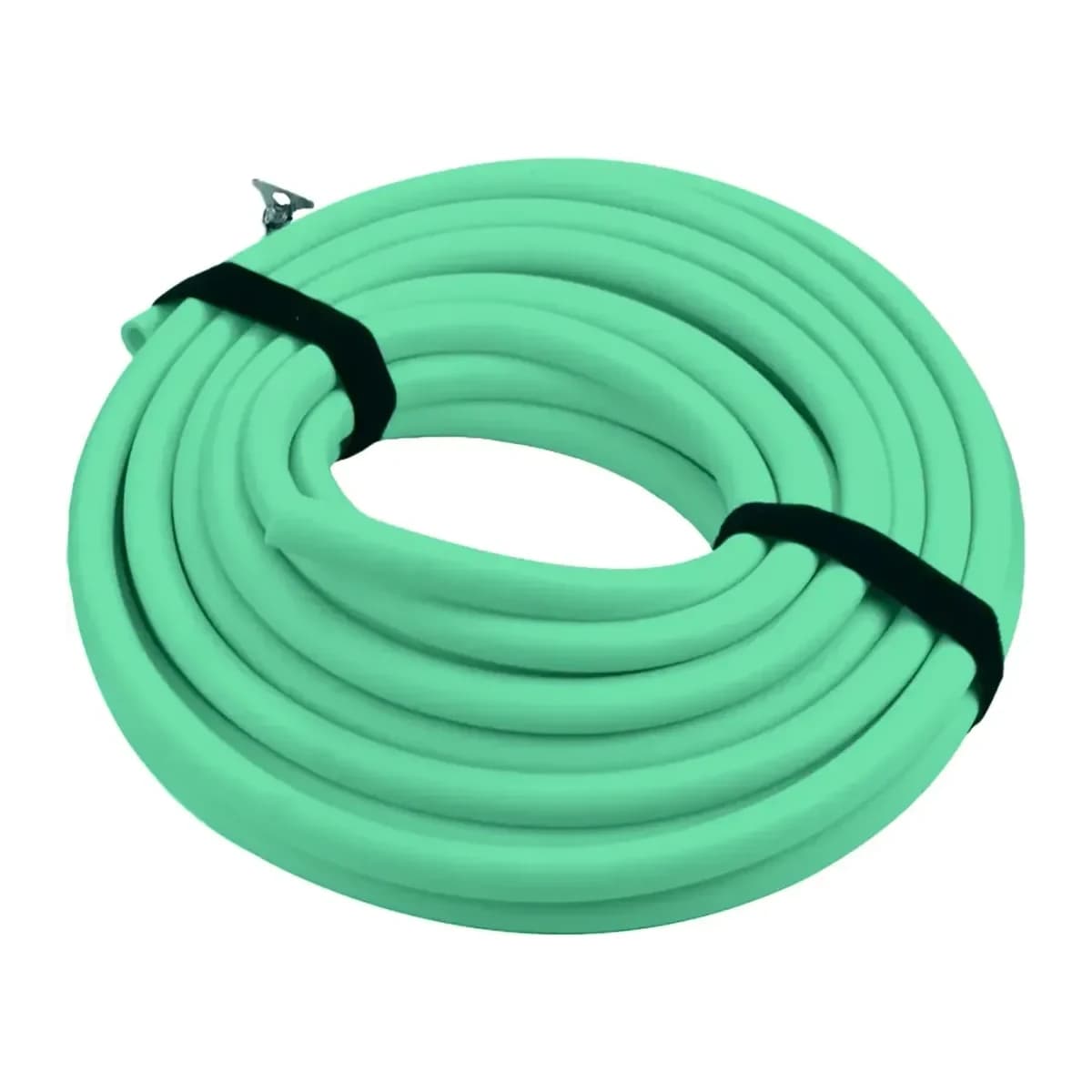 In stock
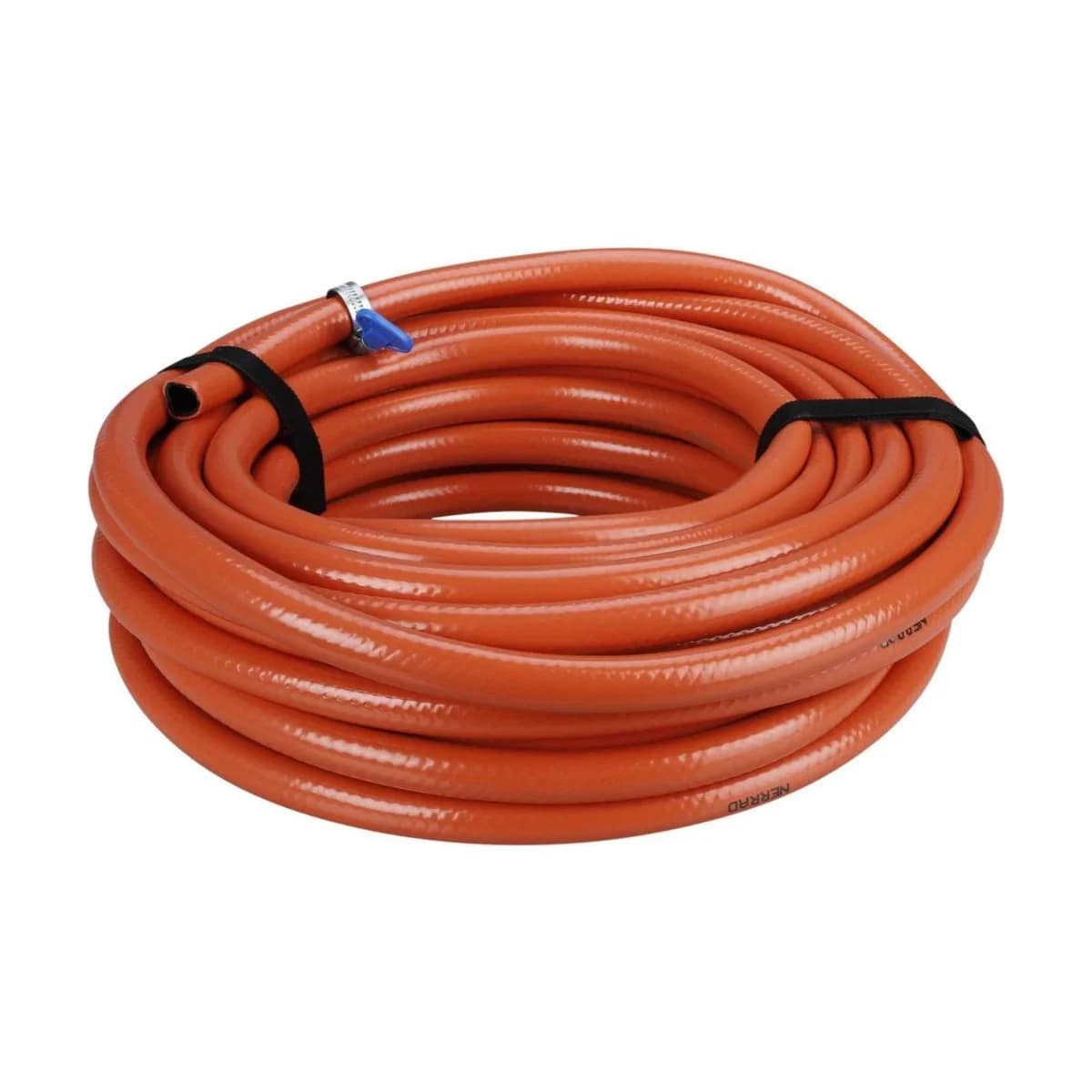 In stock
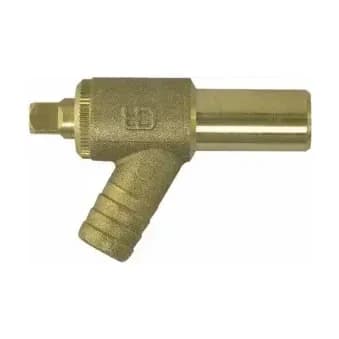 In stock
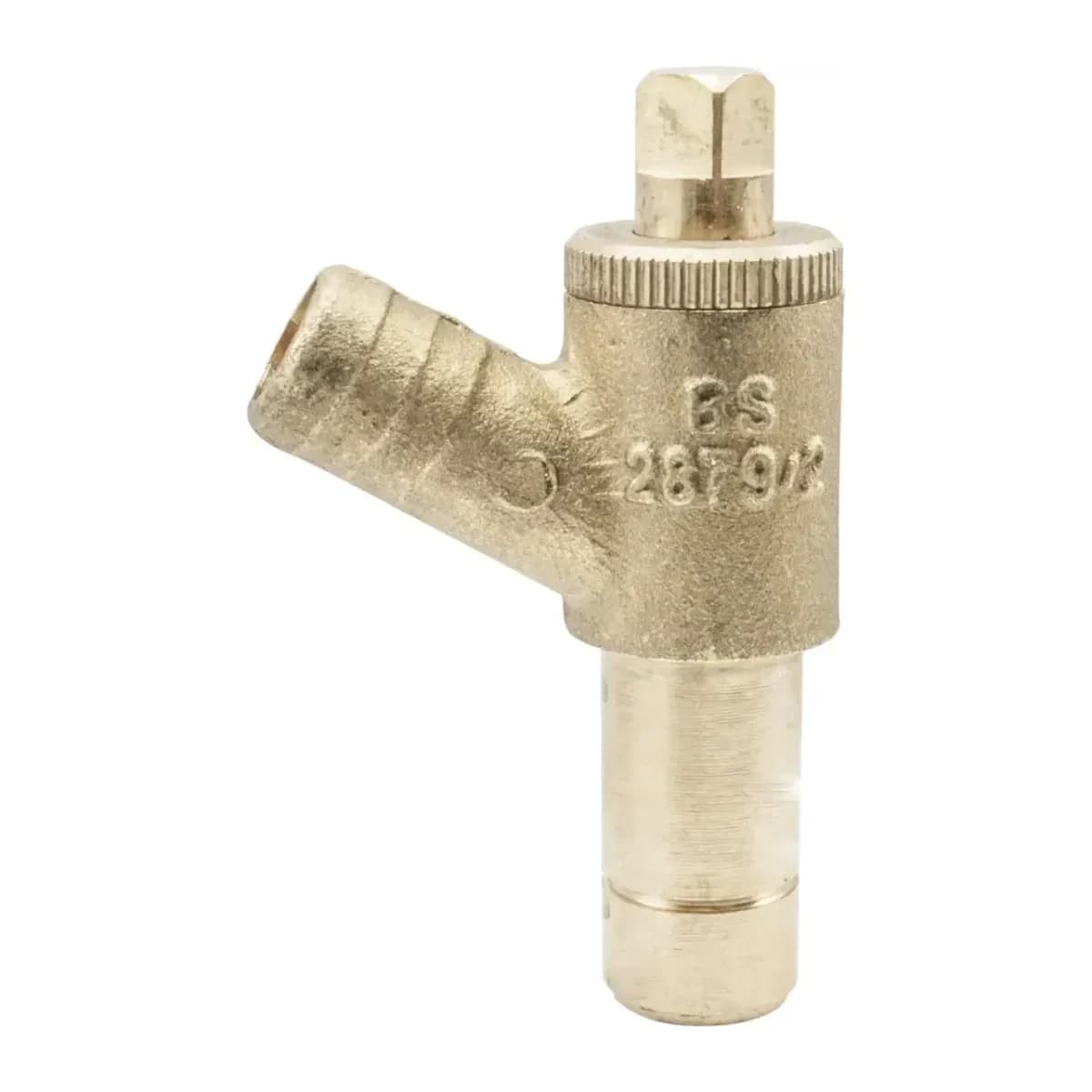 In stock
Polyplumb
15mm Polyplumb Spigot Draincock (Brass)Code: LP-1FDIHZM
inc VAT£10.11 ex VAT
✓ Delivery available✓ Collect today
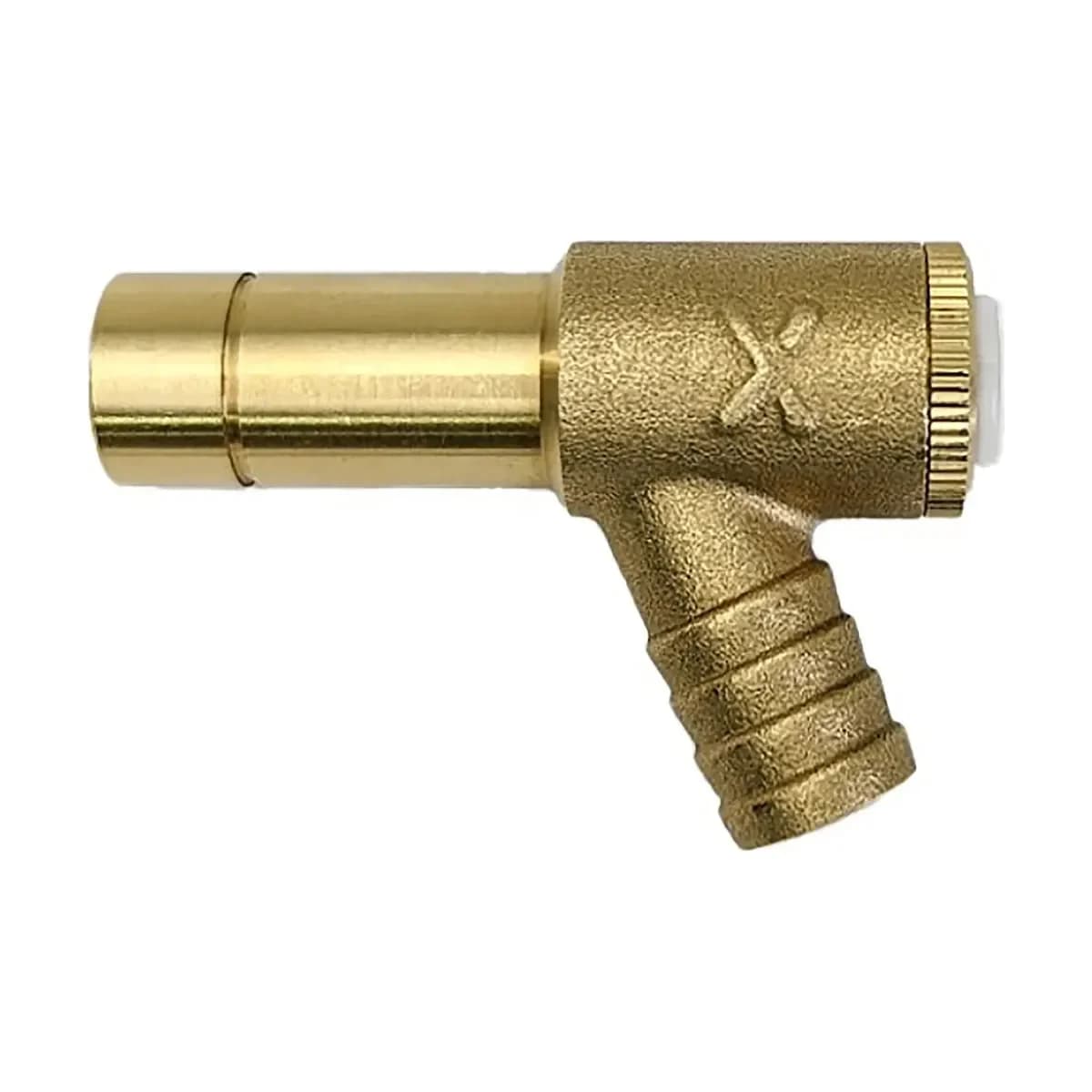 In stockTesla UK NexGen Long Tail Drain Off Cocks (5 Pack) 15mm - NEXGENL
Code: LP-G55INM
inc VAT£16.34 ex VAT
✓ Delivery available✓ Collect today
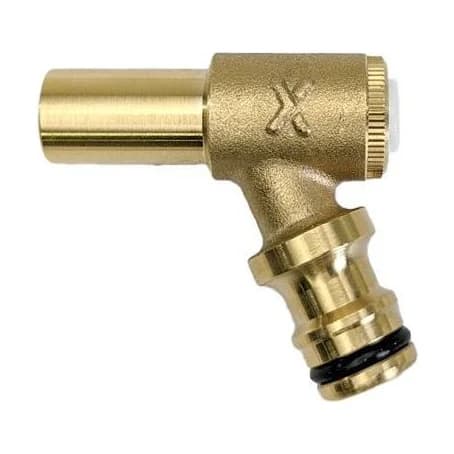 In stockNexgen 15mm 303380 Drain Valve Premium
Code: LP-1DRJ0UM
inc VAT£22.00 ex VAT
✓ Delivery available✓ Collect today
How to drain a central heating system, step by step
- Turn the heating off at the programmer and switch the boiler off at its fused spur. Let the water cool: heating water can come out hot enough to scald.
- On an open-vented system, close the isolating valve on the pipe feeding the feed and expansion tank — or lay a batten across the tank and tie the float arm up to it — so the tank can't refill as you drain. On a sealed system, check both filling loop valves are shut.
- Find the drain cock: a small brass valve with a square spindle and a ribbed hose outlet at the lowest point of the pipework — often near the boiler, on the pipes by a downstairs radiator, or by the cylinder. Some radiator valves have one built in.
- Push the hose firmly onto the outlet, secure it with a hose clip, and run it outside to a gully lower than the drain cock. The water drains by gravity, so the hose has to run downhill all the way.
- Open the drain cock by turning the spindle anticlockwise a turn or two. Don't keep going: on many drain cocks the spindle unscrews right out.
- Once the flow slows, open the bleed valves on the top-floor radiators to let air in, then work down to the ground floor. The water will run much faster.
- Leave it until the hose stops running. Water stays in anything below the drain cock and in the bottom of the radiators, so keep towels handy when you undo a joint.
Never open the boiler casing to find a drain point: anything behind it is for a Gas Safe registered engineer. If the water runs black, the system is full of magnetite sludge and is due a clean before you refill.
How to refill and bleed the system
- Close the drain cock firmly and every bleed valve. Take the hose off and refit the drain cock's cap if it has one.
- If the system was sludgy, add a system cleaner as you refill, run the heating for as long as the bottle says, then drain and flush with clean water before the final fill.
- Open-vented: open the feed to the tank or untie the float. You can pour the inhibitor into the feed and expansion tank now, so it's drawn into the system as it fills. Sealed: open the filling loop slowly and fill to about 1 bar.
- Bleed every radiator, starting downstairs and working up, closing each bleed valve as soon as water appears. On a sealed system the pressure drops as you bleed — top it up again as you go.
- Switch the boiler back on and run the heating for half an hour. Turn it off, let it cool and bleed again: air keeps coming out of fresh water for a while.
- Check every joint you've touched, and the drain cock, for drips while the system is hot.
- On a sealed system, check the cold pressure again the next day and top up to the right figure — see how to repressurise a combi boiler.
On an open-vented system, check the feed and expansion tank once it's cold again: the float valve should shut off with only a little water in the bottom, leaving room for expansion. If some radiators are now slow to warm, rebalance them.
Don't forget the inhibitor
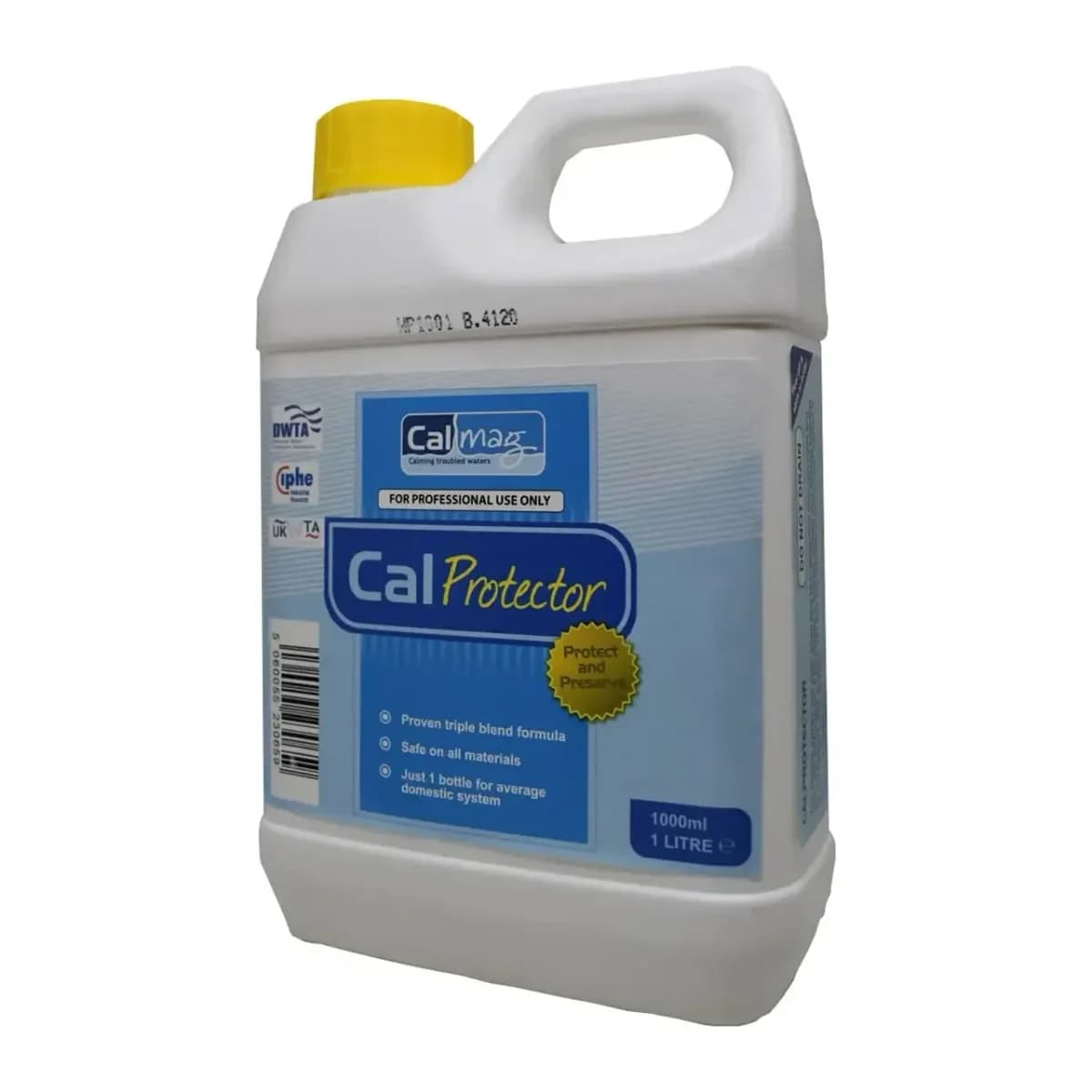
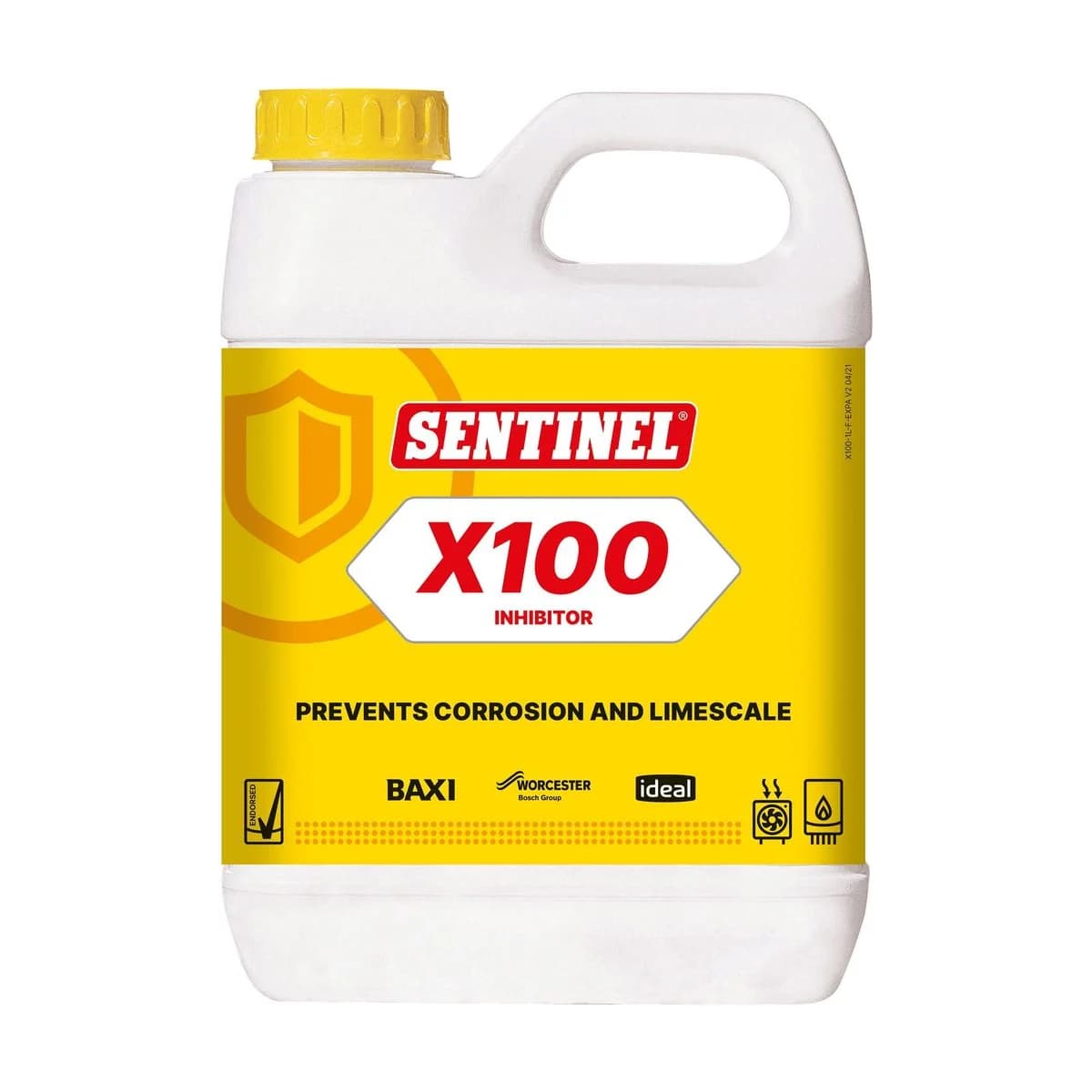
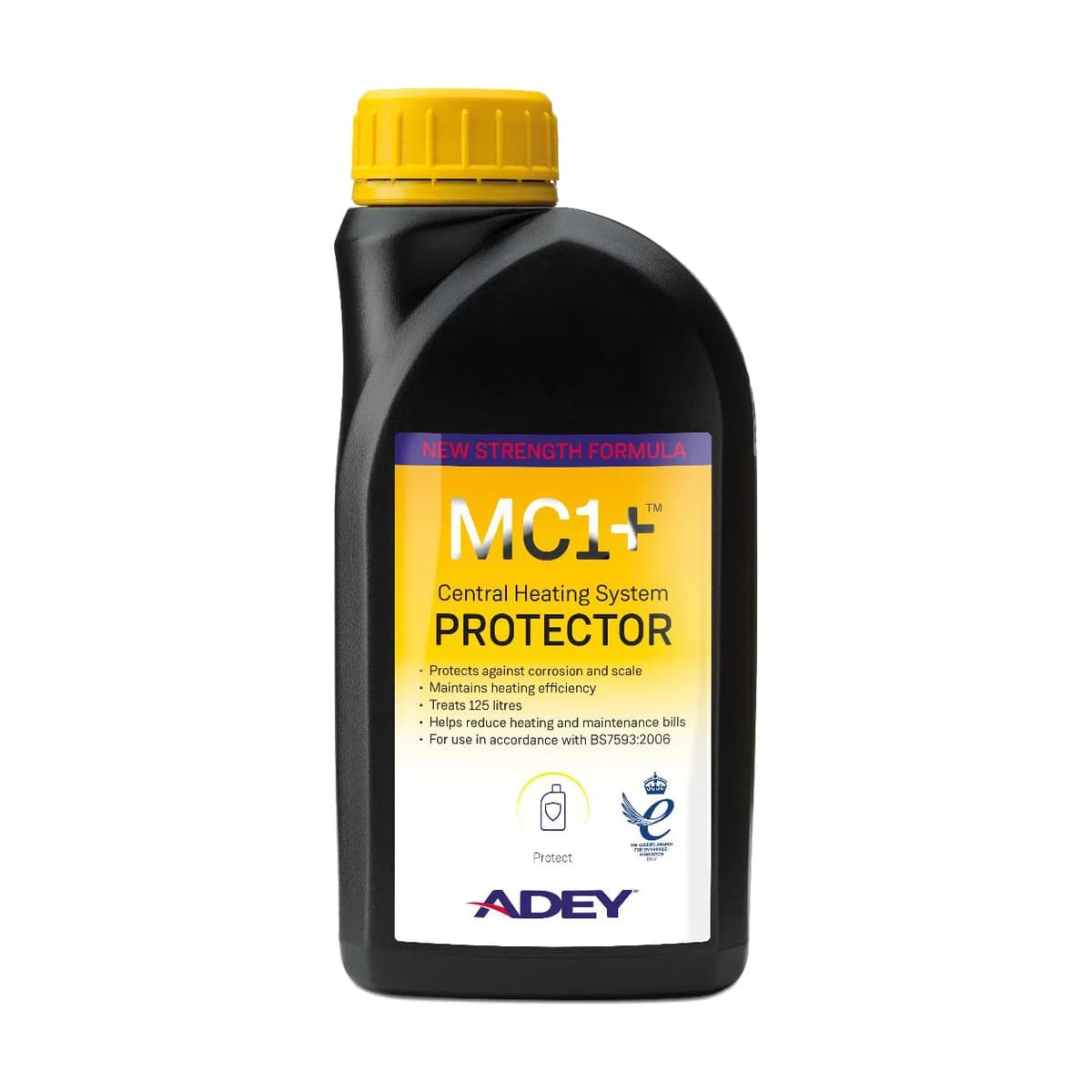
Draining takes most of the inhibitor out with the water, and fresh mains water brings oxygen in, so a refilled system is unprotected until you dose it. Add inhibitor at the rate on the bottle — on an open system through the feed and expansion tank, on a sealed one through the magnetic filter's dosing point or a radiator. The filter and inhibitor guide shows each method.
Clean the magnetic filter a week or two after a drain-down too: refilling stirs up debris, and the filter catches it.
 In stock
 In stock
Sentinel
Sentinel X100L-1L X100 Inhibitor 1LCode: LP-1B9K84Q
inc VAT£10.92 ex VAT
✓ Delivery available✓ Collect today
 In stock
Adey
ADEY MC1+ Central Heating System Protector (technical data sheet)Code: LP-TL5U7T
inc VAT£12.93 ex VAT
✓ Delivery available✓ Collect today
When to get help
Call a plumber if the drain cock is seized or there isn't one, if part of the system won't drain — radiators below the drain point, or a microbore system — or if you're moving pipes and aren't confident with the joints. Our plumber drains down and refills as part of supply and fit jobs in Greater London. Anything to do with the boiler itself is for a Gas Safe registered engineer.
Questions
- How long does it take to drain a central heating system?
- Often an hour or two for a house, depending on its size and the drain cock. Opening the bleed valves from the top floor down speeds it up a lot.
- Do I need to drain the system to change a radiator?
- Not usually. Close both of its valves, counting the lockshield's turns, and drain just that radiator into a tray. It's changing a valve body that needs the system drained below it.
- Where is the drain valve on my central heating?
- At the lowest point of the pipework — often near the boiler, on the pipes by a downstairs radiator, or by the hot water cylinder. It's a small brass valve with a square spindle and a ribbed outlet for a hose.
- Can I drain a combi boiler system myself?
- You can drain the radiators and pipework through a drain cock, then refill and re-pressurise with the filling loop. Don't open the boiler casing: work inside it is for a Gas Safe registered engineer.
- Do I need to add inhibitor after draining?
- Yes. Draining removes most of it and fresh water brings oxygen in, so dose the refilled system at the rate on the bottle and clean the magnetic filter afterwards.
- Why are my radiators gurgling after refilling?
- Trapped air. Bleed them again once the system has run and cooled, and top up the pressure on a sealed system. If the noise keeps coming back, air is getting in somewhere and an engineer should look.
- Which way do I turn a drain cock to open it?
- Anticlockwise, a turn or two, with a spanner or drain cock key on the square spindle. Don't keep turning — on many the spindle unscrews right out.
Related guides
- Heating & boilersMagnetic Filters and Inhibitor: How to Protect Central Heating
- Heating & boilersHow to Bleed and Balance Radiators