
The short answer
To bleed a radiator, turn the heating off and let it cool, open the bleed valve at the top a quarter turn with a radiator key until water comes out, then close it and top the boiler pressure back up to its cold setting — usually about 1–1.5 bar. To balance, open every valve, then turn the lockshields down on the radiators nearest the boiler so the furthest ones heat up as quickly.
How to bleed a radiator
- Turn the heating off and let the radiators cool — hot water can spray out.
- Hold a cloth under the bleed valve at the top corner of the radiator.
- Turn the valve anticlockwise about a quarter turn with a radiator key. You'll hear air hiss out.
- When water starts to come out steadily, close the valve.
- Do the rest, starting with the radiator nearest the boiler, then check the boiler pressure.
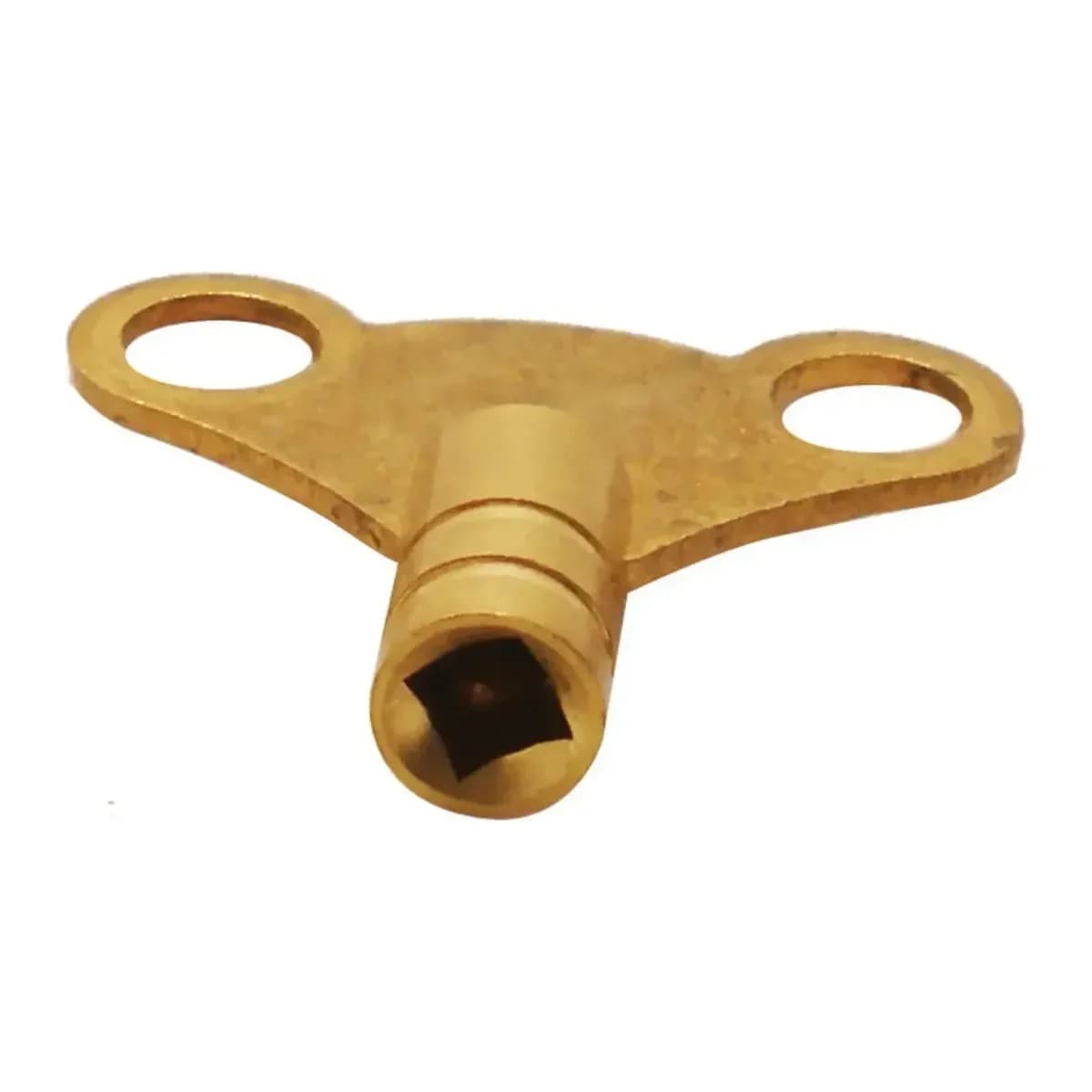 In stock
London Plumbing
Radiator Key4 options available
Frominc VAT£0.81 ex VAT
✓ Delivery available✓ Collect today
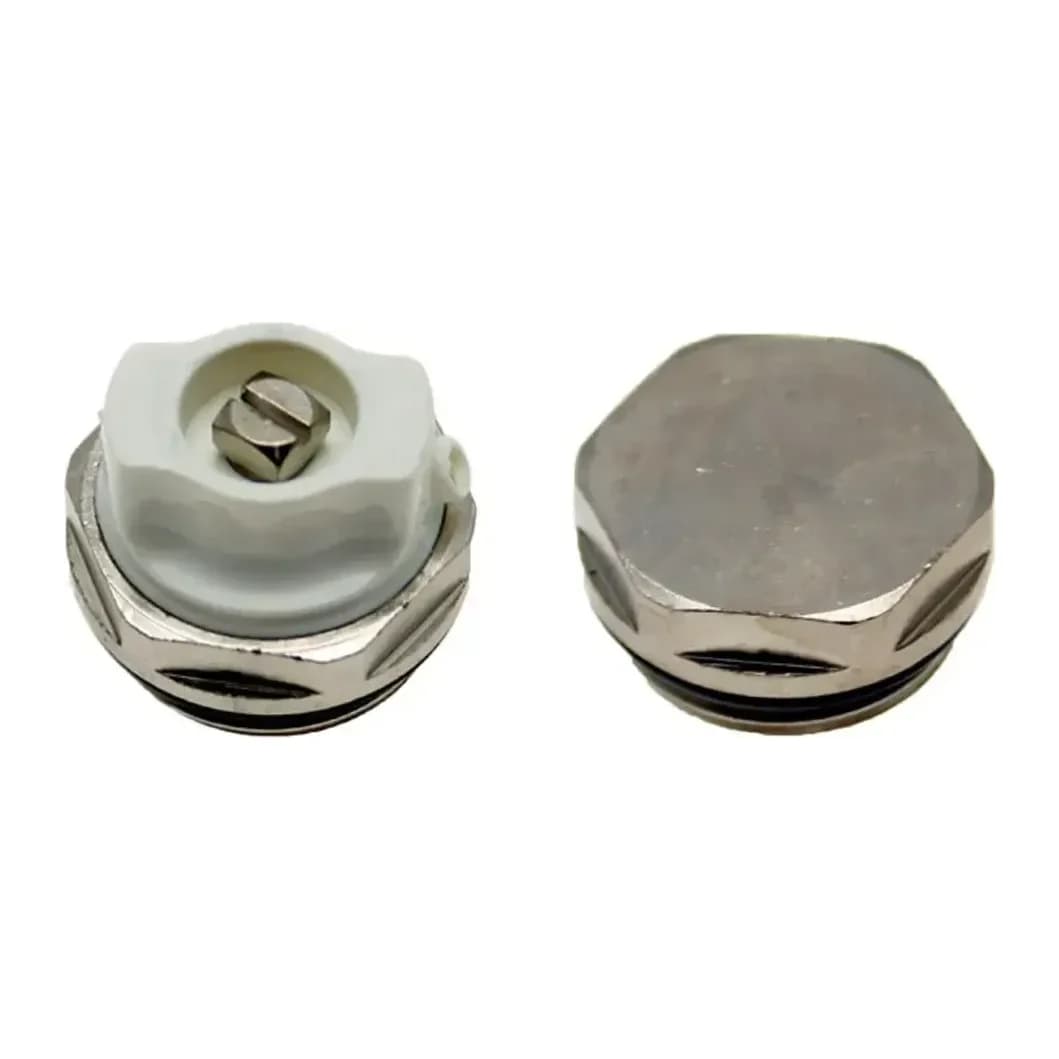 In stock
London Plumbing
Directional Air Vent3 sizes available
Frominc VAT£1.18 ex VAT
✓ Delivery available✓ Collect today
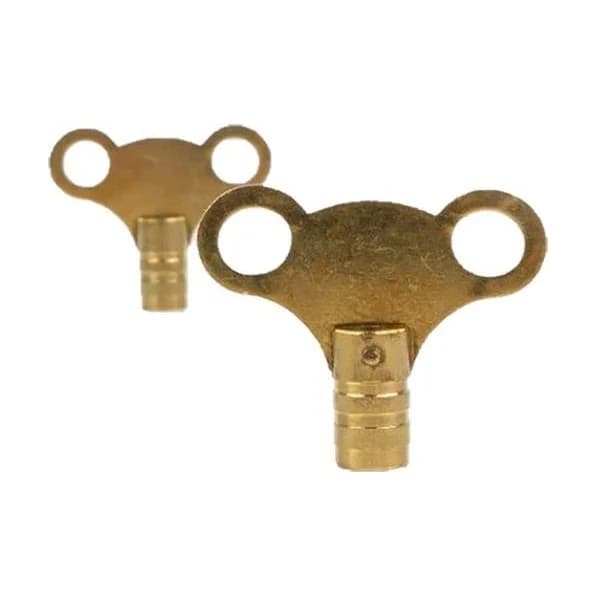 In stock
London Plumbing
Radiator Bleed Keys - Twin PackCode: LP-1UK6J7X
inc VAT£1.25 ex VAT
✓ Delivery available✓ Collect today
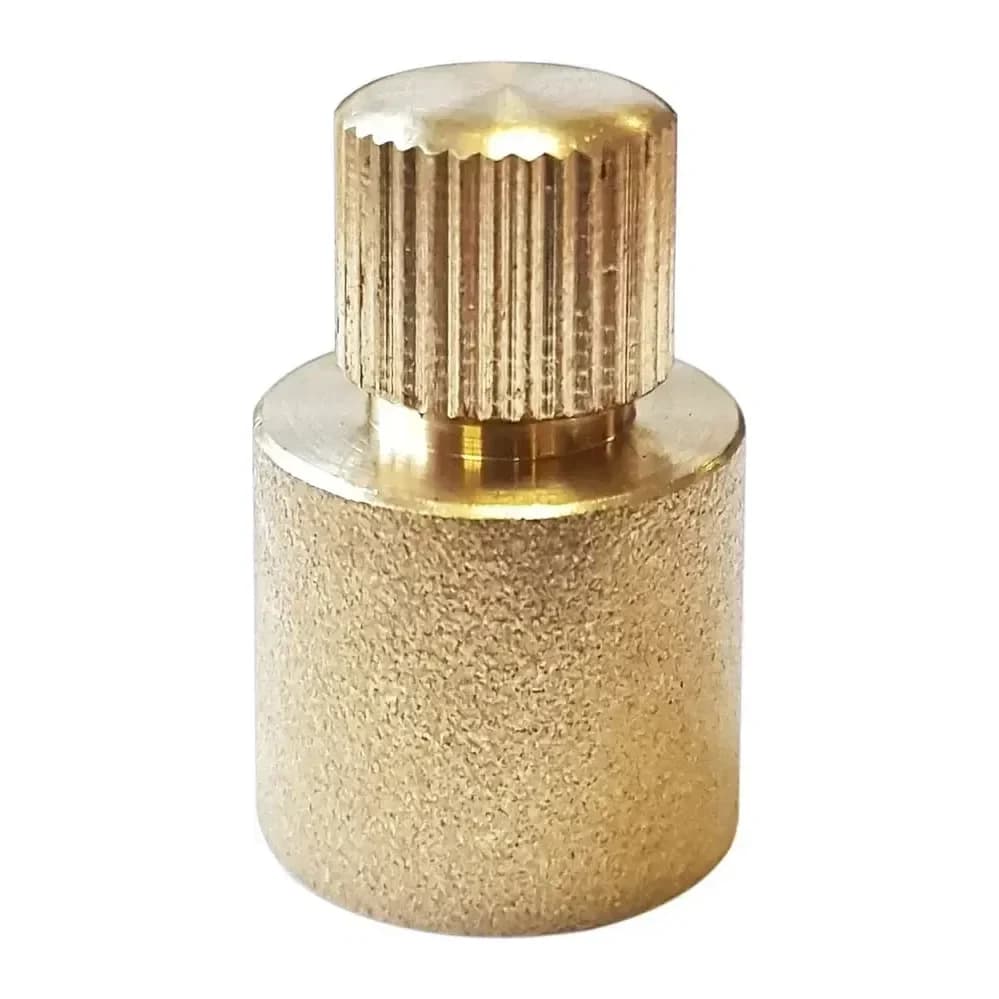 In stock
London Plumbing
Air Vent Capillary2 sizes available
Frominc VAT£2.33 ex VAT
✓ Delivery available✓ Collect today
Topping up the boiler pressure
On a sealed system — most combis and system boilers — bleeding lets pressure out. Check the gauge with the heating cold: most want around 1–1.5 bar, but follow the boiler's manual.
- Find the filling loop, usually a braided hose or a lever under the boiler.
- Open its valves slowly and watch the gauge rise to the right pressure.
- Close both valves firmly. If the loop is a removable hose, take it off afterwards.
Cold at the top or the bottom?
Cold at the top, warm at the bottom means air — bleed it. If it keeps coming back, air is getting in somewhere and an engineer should find out why.
Cold at the bottom, warm at the top means sludge. Bleeding won't fix it; the system needs cleaning, then inhibitor and a magnetic filter — see the filter and inhibitor guide.
Cold all over while others are hot is usually a stuck TRV pin, a closed lockshield or an unbalanced system.
How to balance radiators
Balancing sets the lockshield valves so water is shared fairly. Without it, the radiators nearest the boiler take most of the flow and the furthest ones stay lukewarm.
- With the heating off and cold, open every TRV fully and every lockshield (under the cap) fully.
- Turn the heating on and note the order the radiators warm up.
- On the first to warm up, close the lockshield, then open it a quarter to half a turn. Open the next ones a little more, and the furthest fully.
- Wait, then fine-tune until they all heat up at a similar rate. With a pipe thermometer, aim for the flow and return temperature drop the boiler maker recommends.
- Set the TRVs back to the temperatures you want.
TRVs and lockshields
Each radiator has two valves. The TRV (thermostatic radiator valve) has a numbered head and opens and closes on its own to hold the room temperature. The lockshield has a plain cap and is set once, when balancing, then left alone.
A TRV that won't open after summer often has a stuck pin: take the head off and gently free the pin. Old valves that weep or won't turn are worth replacing while the system is drained.
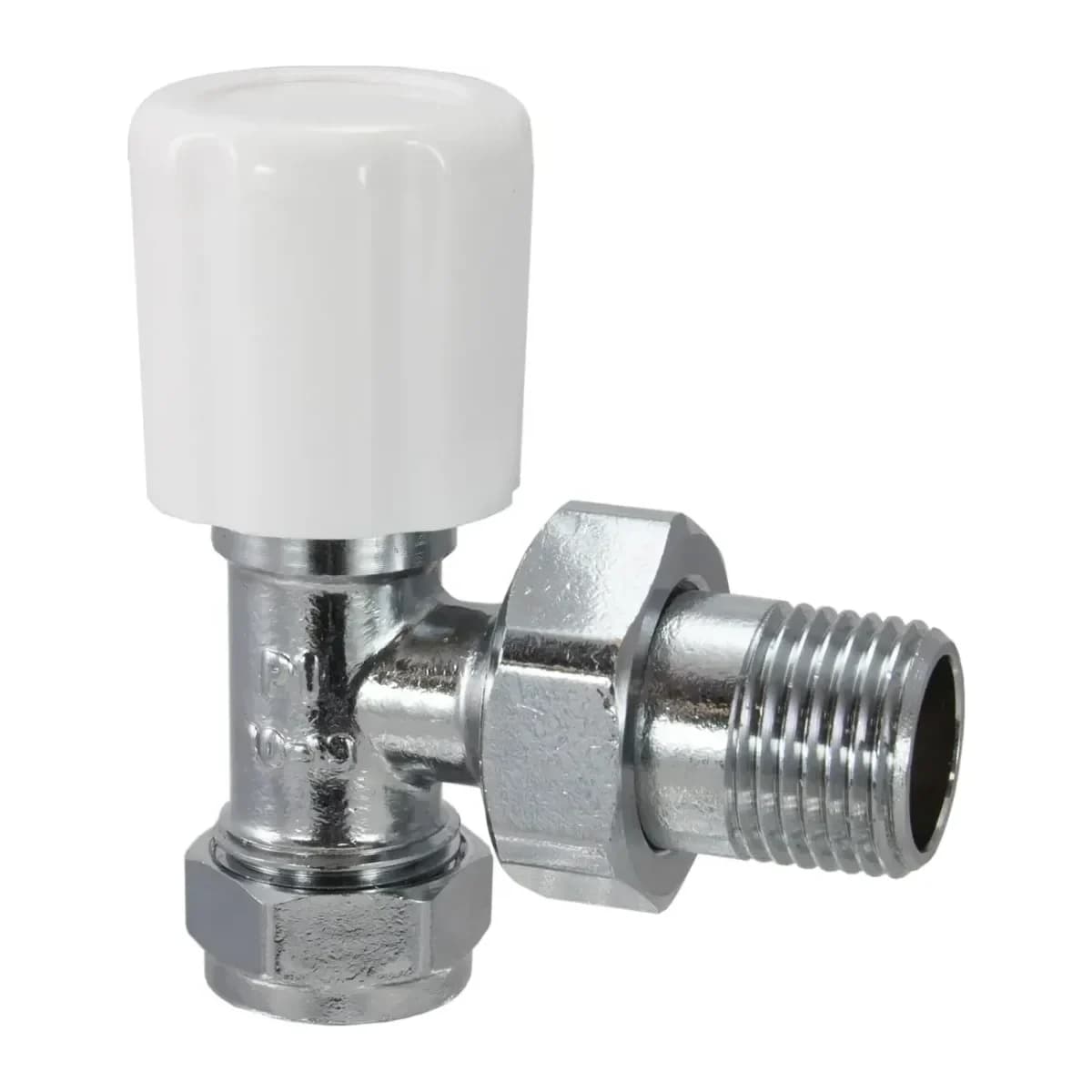 In stock
London Plumbing
Trent Radiator Valve5 sizes available
Frominc VAT£3.11 ex VAT
✓ Delivery available✓ Collect today
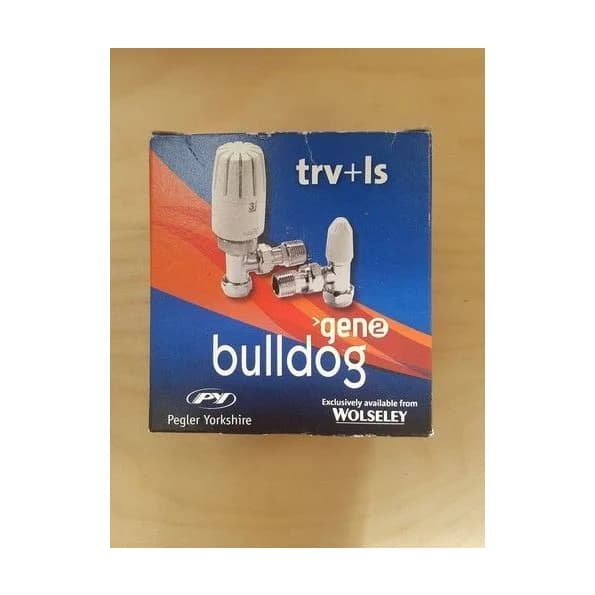 In stock
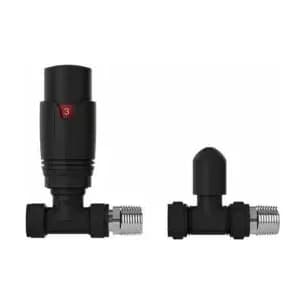 In stock
London Plumbing
10mmTradefix Thermostatic Radiator ValveCode: LP-1EAFNH6
inc VAT£8.08 ex VAT
✓ Delivery available✓ Collect today
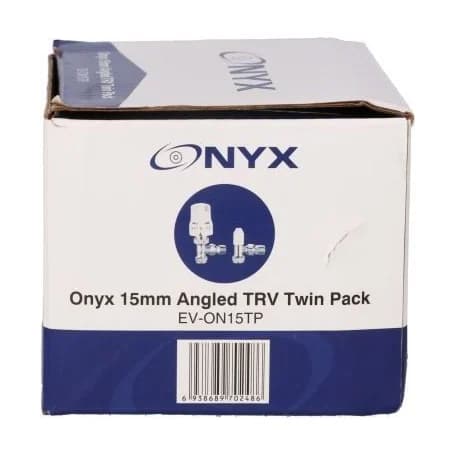 In stock
London Plumbing
Onyx 15mm Angled Lockshield Twin Pack TrvCode: LP-1628Q7X
inc VAT£8.49 ex VAT
✓ Delivery available✓ Collect today
Questions
- Should the heating be on or off to bleed radiators?
- Off, and cool. Turning it on first can help you find which radiators are cold at the top, but let them cool before opening the bleed valve.
- What should my boiler pressure be?
- Usually about 1–1.5 bar when the system is cold, rising a little when hot. Your boiler's manual gives the exact figure.
- Why is the radiator nearest the boiler hot but the others cold?
- The system needs balancing: close down the lockshields on the nearest radiators so more hot water reaches the far ones.
- How often should I bleed my radiators?
- When they're cold at the top, and usually at the start of the heating season. Needing to bleed them often means air is getting in, which an engineer should look at.
Related guides
- Heating & boilersMagnetic Filters and Inhibitor: How to Protect Central Heating
- Heating & boilersWhat Size Radiator Do I Need? Radiator BTU Calculator
- Heating & boilersType 11 vs Type 21 vs Type 22 Radiators: What's the Difference?