
The short answer
A smart thermostat is a programmable room thermostat you can control from an app, often with extras like boost, holiday and location-based modes. Most work with any gas boiler, but buy the right version: heating-only for a combi, heating and hot water for a system or regular boiler with a cylinder. An OpenTherm model can turn a compatible boiler down rather than on and off. Replacing a wired thermostat is 230V work, so if you're not competent with mains wiring, use an installer.
Basic, programmable or smart: what's the difference?
Every room thermostat does the same basic job: it switches the heating on when the room is colder than you've set, and off when it's warm enough. What changes is how much it decides for itself.
| Type | What it does | Suits | Examples we stock |
|---|---|---|---|
| Basic room thermostat | Holds one temperature; a separate programmer or timer sets the hours | Systems that already have a programmer | Honeywell Home T6360B, mechanical room thermostat |
| Programmable room thermostat | Time and temperature in one, with different temperatures through the day and week | Combis, or replacing a separate timer and dial thermostat | Honeywell T3, ESi programmable, Totalhome 7-day wireless |
| Smart thermostat | Programmable, plus app control over Wi-Fi, usually with boost and holiday modes | Anyone who wants to control the heating from their phone | Hive Mini, Honeywell Home T6R-HW, Heatmiser neoStat WiFi, ESi RTP6 |
Wireless versions of all three have a battery thermostat that talks to a receiver wired in where the old thermostat or programmer was. That lets you put the thermostat in the room that matters — usually the living room, away from radiators, draughts and direct sun — without running new cable. Many electronic thermostats also use TPI (time proportional and integral) control, cycling the boiler to hold the temperature more steadily than an old dial thermostat.
Will a smart thermostat work with my boiler?
Almost certainly — but buy the right version. The question is whether it only needs to control the heating, or the hot water as well.
- Combi boiler: heating only, because a combi heats hot water as you run the tap. Choose a heating-only model, such as Hive's combi thermostats in hubless and hub versions or the smaller Hive Mini for combis. Its receiver connects to the boiler's external control terminals.
- System or regular boiler with a cylinder: you need a heating and hot water model, whose receiver takes the place of the 2-channel programmer and switches both. On our shelves: the Hive heating and hot water and Hive Mini heating and hot water thermostats, the Honeywell Home T6R-HW and the ESi RTP6 Wi-Fi pack.
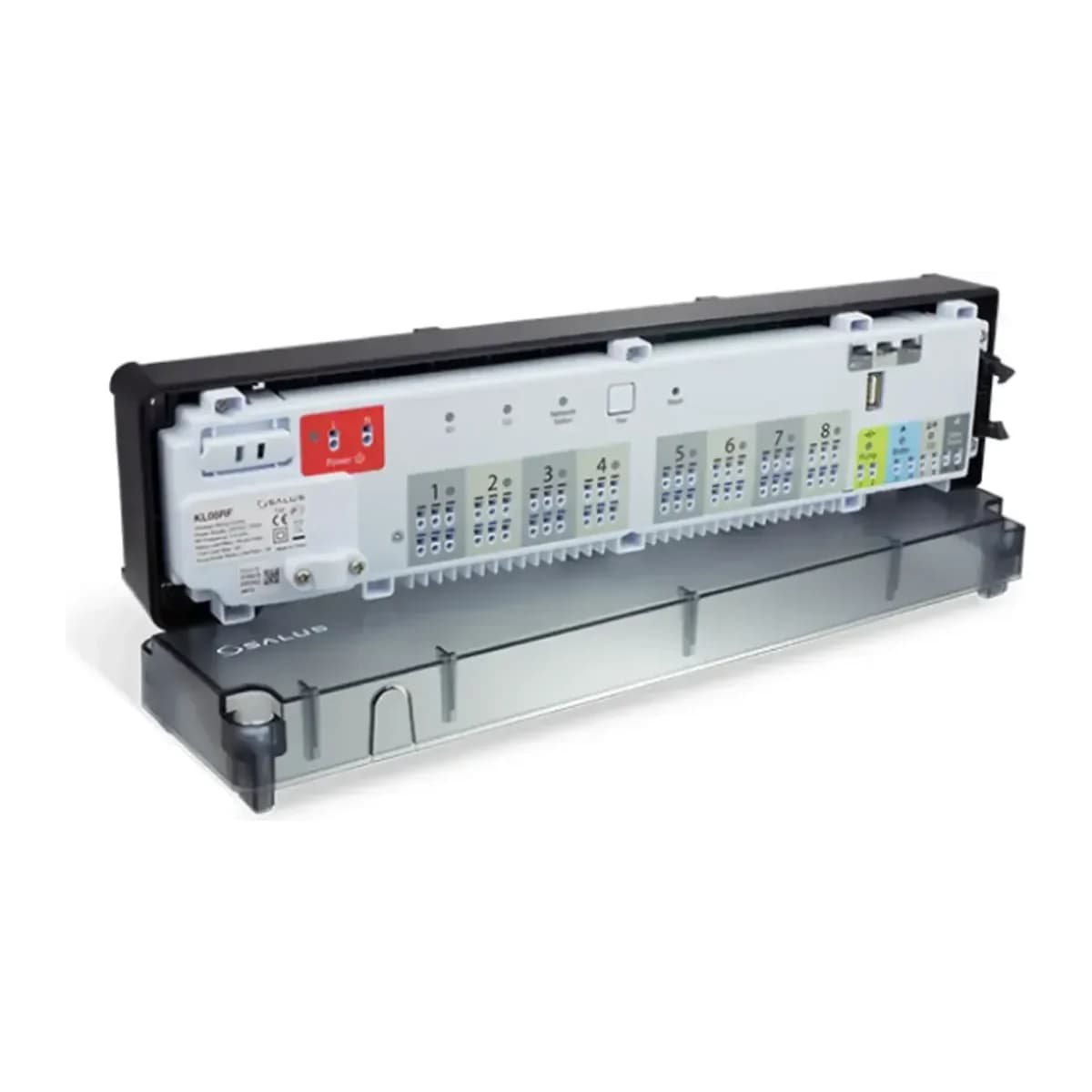
- Zoned systems and underfloor heating: one thermostat per zone, brought together by a wiring centre and a hub. Heatmiser's wired 230V neoStats are a common choice, with a Heatmiser UH4 wiring centre and a neoHub for the app.
- Heat pumps: many come with, or expect, the maker's own controls. Check with the heat pump maker or installer before adding a third-party smart thermostat.
Read the boiler's installation manual too: it shows how external controls connect and whether the boiler supports OpenTherm. Some smart thermostats use a separate hub that plugs into your broadband router; hubless versions connect without one.
OpenTherm and modulation: does it matter?
A standard thermostat is on/off: it tells the boiler to run until the room is warm, then stop. A modern condensing boiler can do better. It can modulate — turn its flame down — and it's most efficient running long and low, with cooler water coming back to it.
OpenTherm is a widely used communication standard that lets the thermostat tell the boiler how hot to run the water, so it turns down gently as the room warms up instead of switching on and off. It only works if the boiler supports it, so look for OpenTherm in the boiler's manual or specification. Controls that set the boiler's flow temperature from the room temperature like this are usually described as load compensating.
- OpenTherm models on our shelves include Hive's combi thermostats, the ESi RTP6 Wi-Fi pack and a programmable OpenTherm room thermostat.
- Some boiler makers use their own connection instead. Vaillant boilers use eBUS, and Vaillant's sensoHOME wireless thermostat does the same modulating job; the myVaillant connect pack adds app control.
- If your boiler doesn't support OpenTherm, an on/off smart thermostat still saves energy by heating only when it's needed — just don't pay extra for a feature the boiler can't use.
Controlling hot water with a smart thermostat
On a system or regular boiler, the hot water is heated in the cylinder on a timer. The heating and hot water versions of smart thermostats replace the programmer's hot water channel, so you can set the hot water times, boost it from the app and turn it off when you're away.
The cylinder thermostat stays. It's what stops the boiler heating the cylinder once it's hot, by telling the valve to close. Keep it at about 60°C so stored water stays hot enough to keep Legionella bacteria down. An immersion heater, if you have one, has its own thermostat and switch, separate from the smart control.
Combis don't need any of this: the hot water is heated as you run the tap.
Smart TRVs and room-by-room control
A room thermostat measures one room and controls the whole heating zone from it. Thermostatic radiator valves (TRVs) let every other room hold its own temperature: each one closes as its room warms up. Ordinary TRVs need no batteries or wiring, and they're how most homes get room-by-room control.
Smart TRVs replace the TRV head with a battery-powered motorised head that follows its own schedule — so the spare room can stay cool all week — and, in many systems, can ask the boiler to fire when that room needs heat. They only work within their own maker's system, so choose the smart thermostat first and the heads to match. Most fit common TRV valve bodies, with adaptors for others.
- Leave the radiator in the room with the main thermostat without a TRV, or with its TRV fully open, so the two don't fight each other.
- When every radiator has a TRV, the system needs an automatic bypass valve, or a boiler with its own bypass, so water can still circulate when they all close.
- Balance the radiators after fitting new valves — see how to bleed and balance radiators.
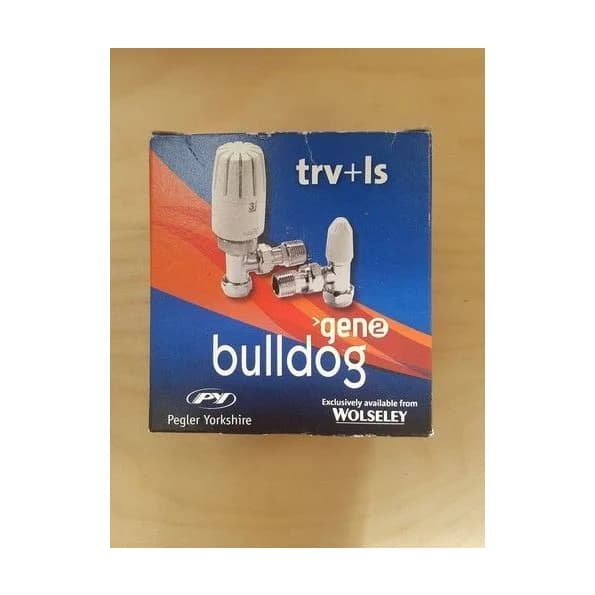 In stock
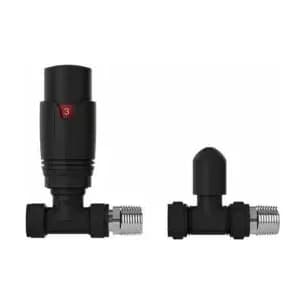 In stock10mm Tradefix Thermostatic Radiator Valve
Code: LP-1EAFNH6
inc VAT£8.08 ex VAT
✓ Delivery available✓ Collect today
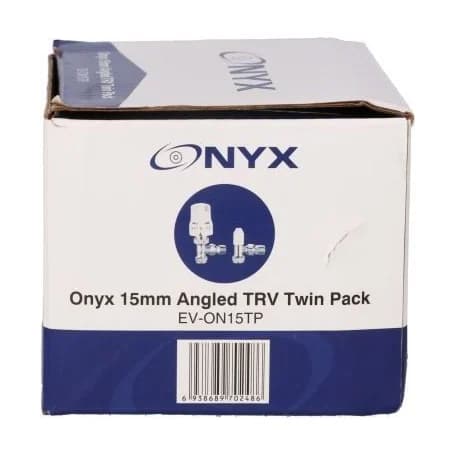 In stockOnyx 15mm Angled Lockshield Twin Pack Trv
Code: LP-1628Q7X
inc VAT£8.49 ex VAT
✓ Delivery available✓ Collect today
What do the Building Regulations expect?
In England, heating controls come under Part L of the Building Regulations; the current guidance is the 2021 edition of Approved Document L, in force since June 2022. In broad terms, when a boiler is installed or replaced the system should have:
- Time and temperature control of the heating, and of the hot water where it's stored in a cylinder.
- Boiler interlock, so the boiler doesn't fire when nothing is calling for heat.
- Temperature control in individual rooms, usually TRVs, where that's practical.
- For a gas combi replacement, at least one extra energy-saving measure under the rules known as Boiler Plus: weather compensation, load compensation, flue gas heat recovery, or a smart thermostat with automation and optimisation.
Your installer decides how to meet these and certifies the work through their competent person scheme — Gas Safe for gas boilers. Swapping a thermostat on its own later isn't usually treated as notifiable building work, but don't remove a control the system relies on to comply, such as the cylinder thermostat. Wales and Scotland have their own rules.
Can I fit a smart thermostat myself?
It depends on what's being replaced and how comfortable you are with mains wiring. As a guide:
| Job | Who |
|---|---|
| Setting up the app, pairing a battery thermostat with its receiver, plugging a hub into the router | Anyone, following the instructions |
| Replacing a wired room thermostat or 2-channel programmer with a smart receiver, like for like on the same wiring | A competent person — it's 230V work. If you're not confident with mains wiring, use an electrician or heating engineer |
| Connecting OpenTherm at the boiler, adding a wiring centre, zones or motorised valves, or converting a Y-plan to an S-plan | A heating engineer or electrician |
| Anything that means opening the boiler's sealed case | A Gas Safe registered engineer only |
- Isolate the heating at its fused spur and prove the circuit dead with a voltage tester before touching any terminals. Switching the programmer off is not isolation.
- Photograph and label every wire before disconnecting the old control; terminal numbers on old and new controls often don't match.
- Replacing a thermostat on an existing circuit isn't usually notifiable under Part P in England, but it still has to be done safely and to the wiring regulations. New circuits, consumer unit changes and work close to a bath or shower are notifiable.
Smart thermostats and controls we stock
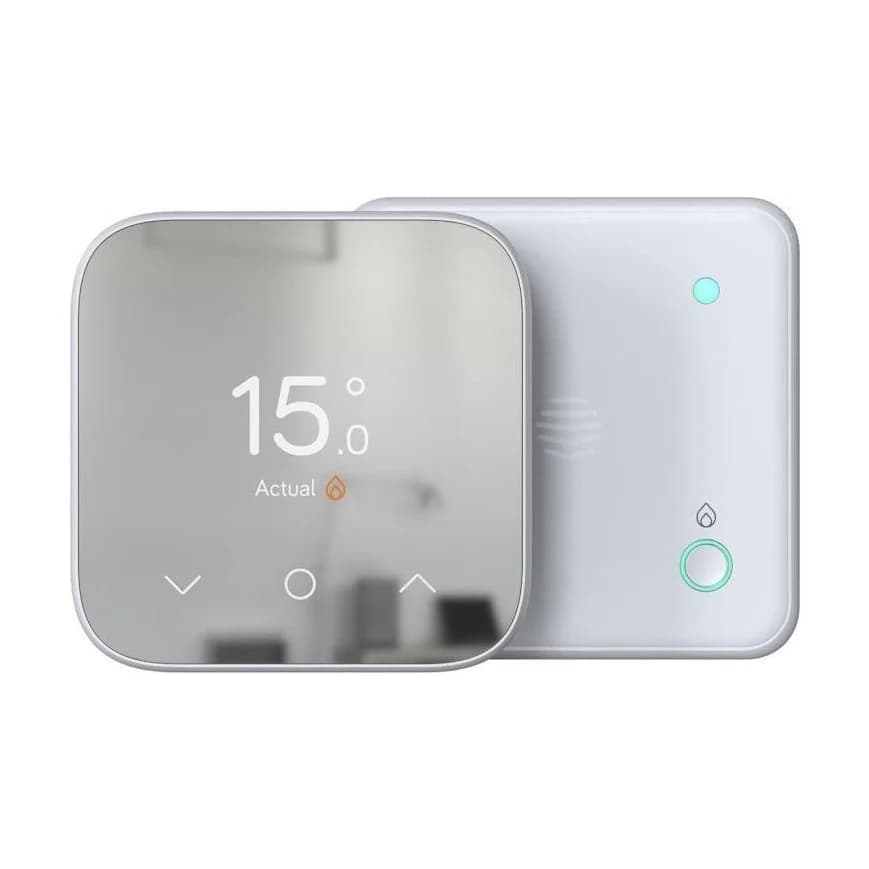 In stock
Hive
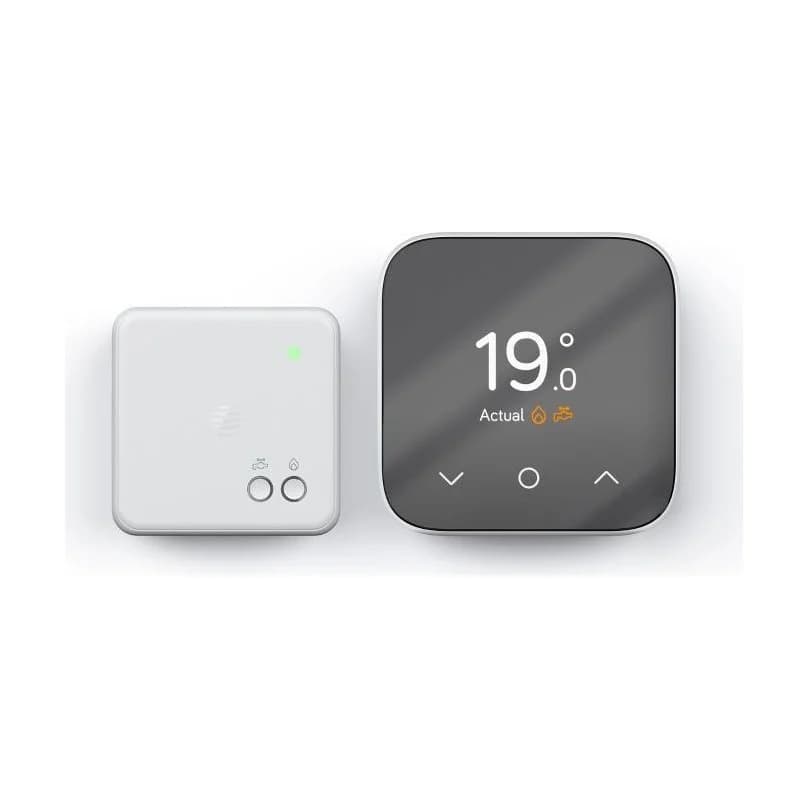
Hive Hubless Mini V4 Wireless Heating Smart Thermostat OpenTherm 852111Code: LP-K01W6C
inc VAT£63.71 ex VAT
✓ Delivery available✓ Collect today
 In stock
Hive
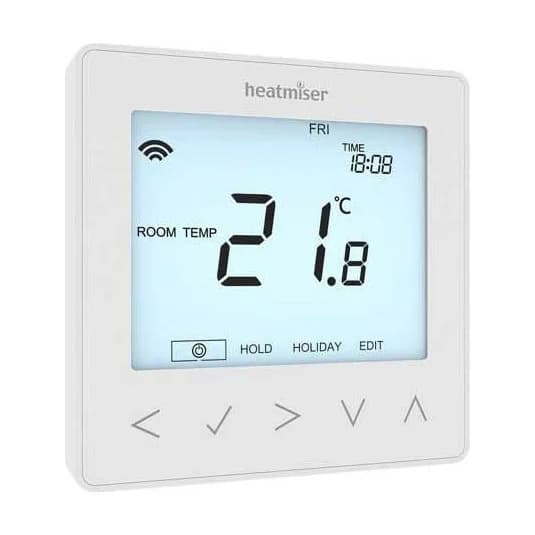
Hive Mini Thermostat - Heating & Hot Water (Hubless) 852034Code: LP-10PX45H
inc VAT£68.50 ex VAT
✓ Delivery available✓ Collect today
 In stock
Heatmiser
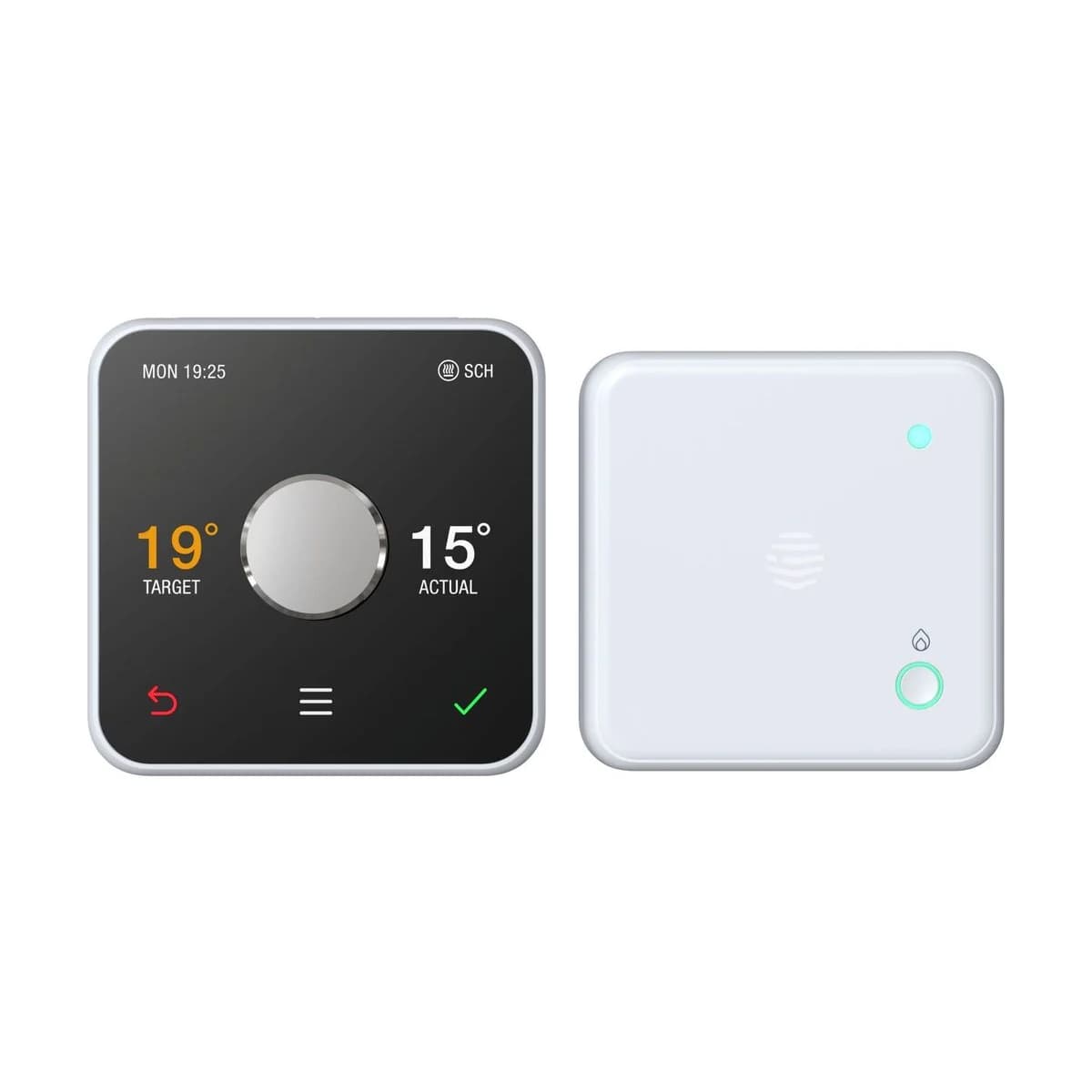
IMI Heatmiser neoStat WiFiCode: LP-FFV0AF
inc VAT£81.66 ex VAT
✓ Delivery available✓ Collect today
 In stock
Hive
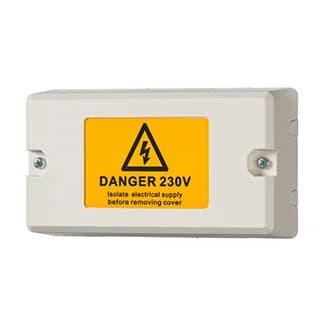
Hive V4 Hubless Wireless Heating (Combi) OpenTherm Smart Thermostat with Receiver 852109Code: LP-B3BV18
inc VAT£90.03 ex VAT
✓ Delivery available✓ Collect today
 In stock
 In stock
 In stock
ESI
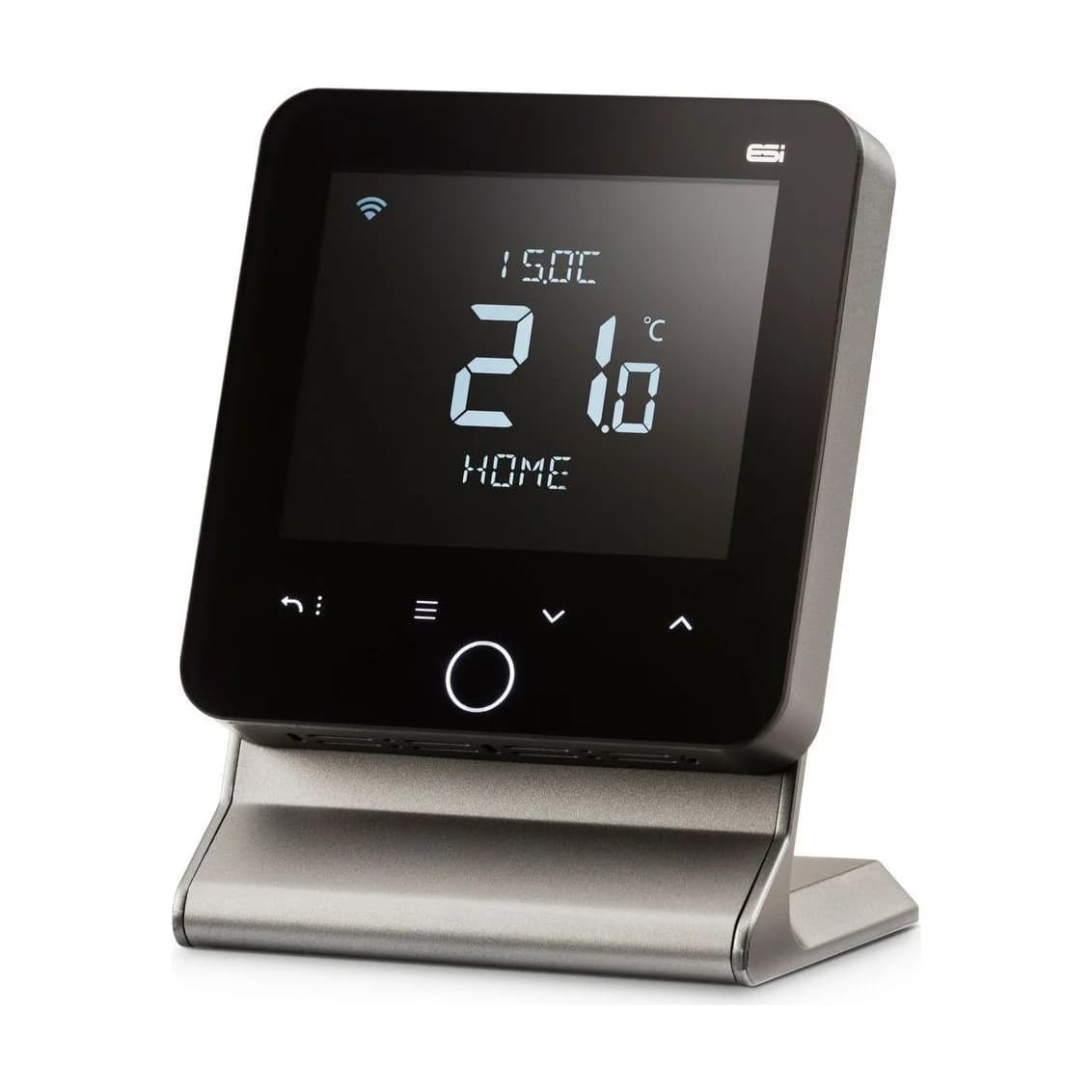
ESi RTP6 Smart WiFi Programmable Wireless Room Thermostat Grey ESRTP6WHW-GCode: LP-1K0V9NI
inc VAT£90.44 ex VAT
✓ Delivery available✓ Collect today
| Shelf | Lines | From |
|---|---|---|
| Room thermostats, including smart | 32 | £12.80 |
| Smart controls, hubs and wiring centres | 6 | £13.55 |
| Programmers and timers | 11 | £11.64 |
Not sure which version you need? Call the counter on 020 3802 3275 with your boiler's make and model, or bring a photo of your current controls.
Questions
- Do smart thermostats work with combi boilers?
- Yes. Choose a heating-only version, as a combi's hot water needs no timer. An OpenTherm model can also modulate a compatible combi rather than just switching it on and off.
- Can a smart thermostat control my hot water?
- Yes, if you have a cylinder and buy a heating and hot water version. Its receiver replaces the 2-channel programmer; the cylinder thermostat stays in place.
- Do I need an electrician to fit a smart thermostat?
- Not for battery thermostats and hubs. Replacing a wired thermostat or programmer is 230V work: fine for a competent person, otherwise use an electrician or heating engineer. Anything inside the boiler's sealed case is for a Gas Safe registered engineer.
- What is an OpenTherm thermostat?
- One that talks to the boiler using the OpenTherm standard, setting how hot it runs the water so a condensing boiler turns down instead of switching on and off. The boiler has to support OpenTherm too.
- Do I need a hub for a smart thermostat?
- Some systems use a hub plugged into your broadband router; hubless versions connect without one. Hive, for example, comes both ways.
- Are smart TRVs worth it?
- They're most useful where rooms are used at different times, like spare rooms and home offices, because each follows its own schedule. They must match your smart thermostat's system. Ordinary TRVs already give room-by-room temperature control.
- Will a smart thermostat save money?
- It can, mainly by heating the house only when it's needed and, with OpenTherm, letting the boiler run more efficiently. How much depends on how well the heating was controlled before.
Related guides
- Heating & boilersCombi vs System vs Regular Boiler: Which Do You Need?
- Heating & boilersHow to Bleed and Balance Radiators