
The short answer
S-plan and Y-plan are the two usual ways a system or regular boiler shares its heat between the radiators and a hot water cylinder. A Y-plan has one 3-port mid-position valve that sends water to the heating, the cylinder or both. An S-plan has two 2-port zone valves, one for each, and S-plan plus adds more for extra heating zones. Look in the airing cupboard: one valve with three pipes is a Y-plan; two or more with two pipes each is an S-plan.
What are S-plan, Y-plan and W-plan?
On a system or regular boiler with a hot water cylinder, the boiler heats one flow of water that has to go two ways: round the radiators, and through the coil inside the cylinder that heats your hot water. Motorised valves decide where it goes. The plan names come from Honeywell's wiring diagrams, but the whole trade uses them whatever make of valve is fitted.
| Plan | Valves | How it works | Good to know |
|---|---|---|---|
| Y-plan | One 3-port mid-position valve | The valve sits in one of three positions: hot water only, heating only, or halfway for both | Compact and common in older and smaller homes; one valve does both jobs |
| S-plan | Two 2-port zone valves | One valve opens to the radiators, the other to the cylinder coil, each on its own | The usual choice on new systems; a failed valve only stops one circuit |
| S-plan plus | Three or more 2-port zone valves | Extra valves split the heating into zones — upstairs and downstairs, or an extension — each with its own thermostat | For larger homes; needs a programmer channel per zone, or a multi-zone control |
| W-plan | One 3-port diverter valve | Water goes to the hot water or the heating, never both; hot water takes priority | Less common on boilers; the heating pauses while the cylinder heats |
Every plan also needs a programmer (or a smart control) to set the times, a room thermostat for the heating, and a cylinder thermostat strapped to the cylinder for the hot water. The valves open and close when those call for heat. In an S-plan, a switch inside each valve head then tells the boiler and pump to run.
How do I know which system I have?
- Find the valves. They're usually in the airing cupboard near the cylinder, sometimes next to the boiler or under the floor nearby. Each is a brass body in the pipework with a head on top: a plastic or metal box with a flex coming out of it and, on most, a small manual lever on the side.
- Count the pipes on each valve body. Three pipe connections in a T means a 3-port valve. Two, in a straight line, means a 2-port zone valve.
- Read the label on the head. Honeywell's model numbers give it away: V4073 is a 3-port mid-position valve, V4044 a 3-port diverter and V4043 a 2-port zone valve. Other makers print "2 port", "3 port" or "mid-position" on theirs.
- Put it together. One 3-port mid-position valve is a Y-plan; one 3-port diverter is a W-plan. Two 2-port valves is an S-plan, and three or more is S-plan plus.
If the valves are hard to get at, the installer's paperwork may say which plan was fitted. Don't take the cover off the wiring centre to look while the heating is live.
S-plan or Y-plan: which is better?
| Y-plan | S-plan | |
|---|---|---|
| Valves | One 3-port mid-position valve | Two or more 2-port zone valves |
| If a valve fails | Can affect heating and hot water together | Only that circuit stops |
| Adding heating zones | Means converting to S-plan | Add another 2-port valve and thermostat |
| Both on at once | Flow is shared in the mid position, which can slow the cylinder's heat-up | Each circuit has its own valve fully open |
| Space and cost | Least pipework, one valve to buy | An extra valve and tee, and more wiring |
Neither is wrong, and a Y-plan that works is no reason to re-pipe. S-plan is the usual choice for new installations because each circuit is independent and more zones can be added later. Building Regulations guidance also expects larger homes to have separately controlled heating zones, which is what S-plan plus provides.
Converting a Y-plan to an S-plan is common when the boiler or valve is being replaced anyway: the 3-port valve comes out, a tee and two 2-port valves go in, and the wiring centre is rewired. It's a job for a heating engineer. Diverter valves, as in a W-plan, are also widely used on heat pump systems, which heat the cylinder and the radiators at different temperatures.
Heating on but no hot water, or hot water but no heating?
Check the simple things first:
- The programmer is calling for the circuit that isn't working, its clock is right, and it isn't on a holiday or off setting.
- The room thermostat is turned up above the room temperature, and the cylinder thermostat is set to about 60°C — the temperature stored hot water needs to keep Legionella bacteria down.
- The boiler is on, shows no fault code and, on a sealed system, has pressure.
If those are fine, the valve is the usual suspect:
| What happens | Y-plan: likely cause | S-plan: likely cause |
|---|---|---|
| Hot water works, no heating | Failed valve motor or head — most mid-position valves rest open to hot water when unpowered — or the room thermostat | The heating valve's head has failed or its end switch isn't firing the boiler; or the room thermostat |
| Heating works, no hot water | Valve seized or stuck towards heating; or the cylinder thermostat | The hot water valve's head or end switch; or the cylinder thermostat |
| Radiators warm up with only hot water on | Valve stuck in the mid position | The heating valve stuck open or letting water by |
| Valve hums but doesn't move | Seized valve body, or worn motor or gears in the head | The same |
| Neither heating nor hot water works | Usually the boiler, pump, programmer or wiring centre rather than the valve | The same |
- Turn the circuit that isn't working on at the programmer and turn up its thermostat.
- Watch the valve. On most heads the manual lever moves across on its own as the motor opens the valve, and the head feels warm. A head that stays cold and still while its circuit is calling has failed — or isn't getting power, which needs checking with a meter.
- Turn the heating off and let it cool. Move the manual lever by hand: it should move smoothly against its spring. If it won't move or is very stiff, the valve body is usually seized.
- If the valve opens but the boiler doesn't fire for that circuit, the end switch in the head, which tells the boiler and pump to run, may have failed.
Replace the actuator head or the whole valve?
A motorised valve has two parts: the brass body in the pipework, and the head — also called the actuator or powerhead — that sits on top with the motor, return spring and end switch. Most failures are in the head, and on most modern valves the head can be changed without draining the system.
- Replace the head when the motor or end switch has failed but the valve moves freely by hand and isn't leaking. Match the make and model: heads rarely fit another maker's bodies, and don't always fit older bodies of the same make. The Honeywell V4043H replacement powerhead, for example, swaps onto newer V4043H bodies with two screws and no draining, while older bodies need an adaptor kit.
- Replace the whole valve when the body is seized, lets water by when it should be shut, or weeps at the spindle — or when no matching head is made any more. The heating has to be isolated or drained, the old valve cut out and the new one fitted, then the system refilled, bled, re-pressurised and dosed with inhibitor.
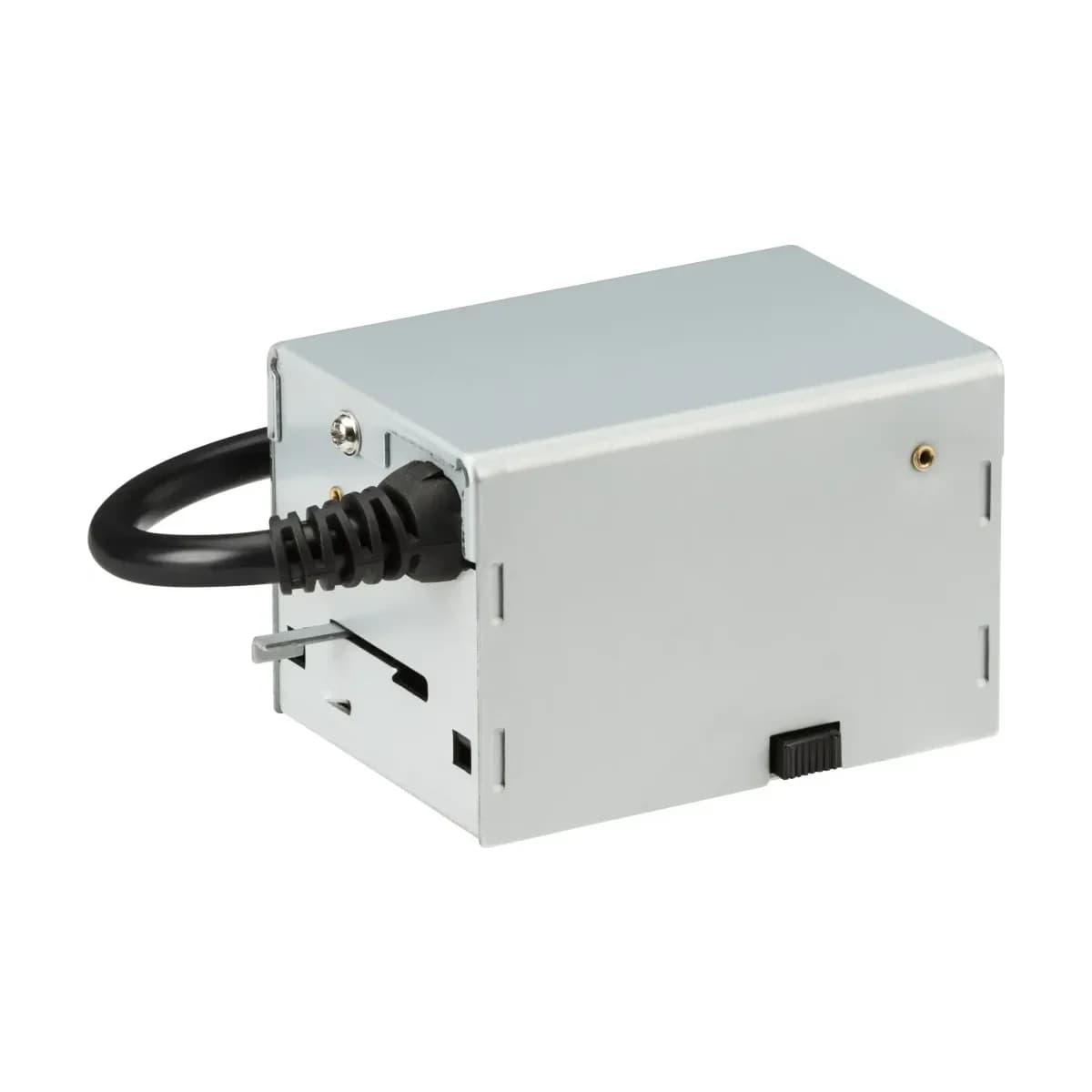 In stock22mm 2 Port Actuator Head Metal Top
Code: LP-FQL5EF
inc VAT£23.83 ex VAT
✓ Delivery available✓ Collect today
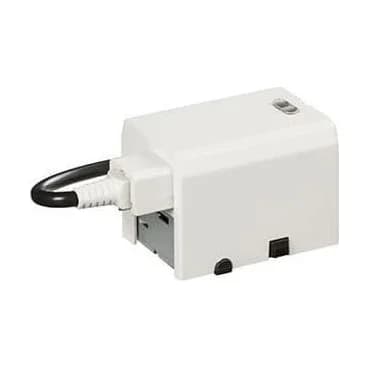 In stock
ESI
ESi 3 Port Actuator Head - ESZVA223Code: LP-1YJ43QQ
inc VAT£35.10 ex VAT
✓ Delivery available✓ Collect today
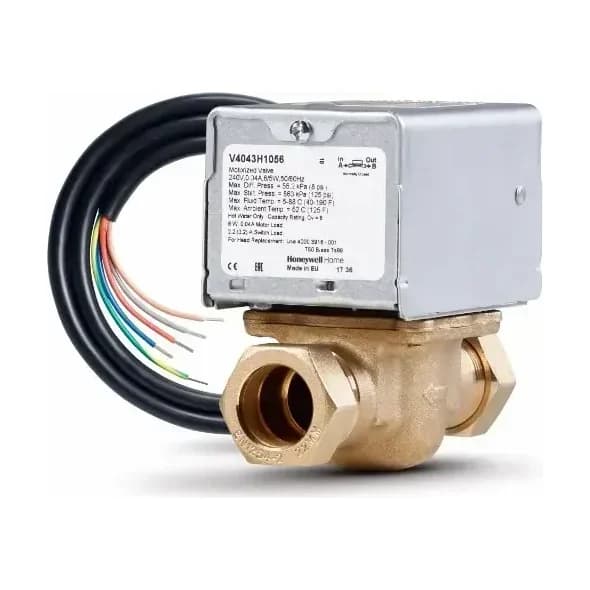 In stock
Honeywell
Honeywell Replacement Head V4043H Powerhead 40003916-001Code: LP-FIY74B
inc VAT£47.68 ex VAT
✓ Delivery available✓ Collect today
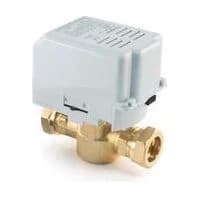
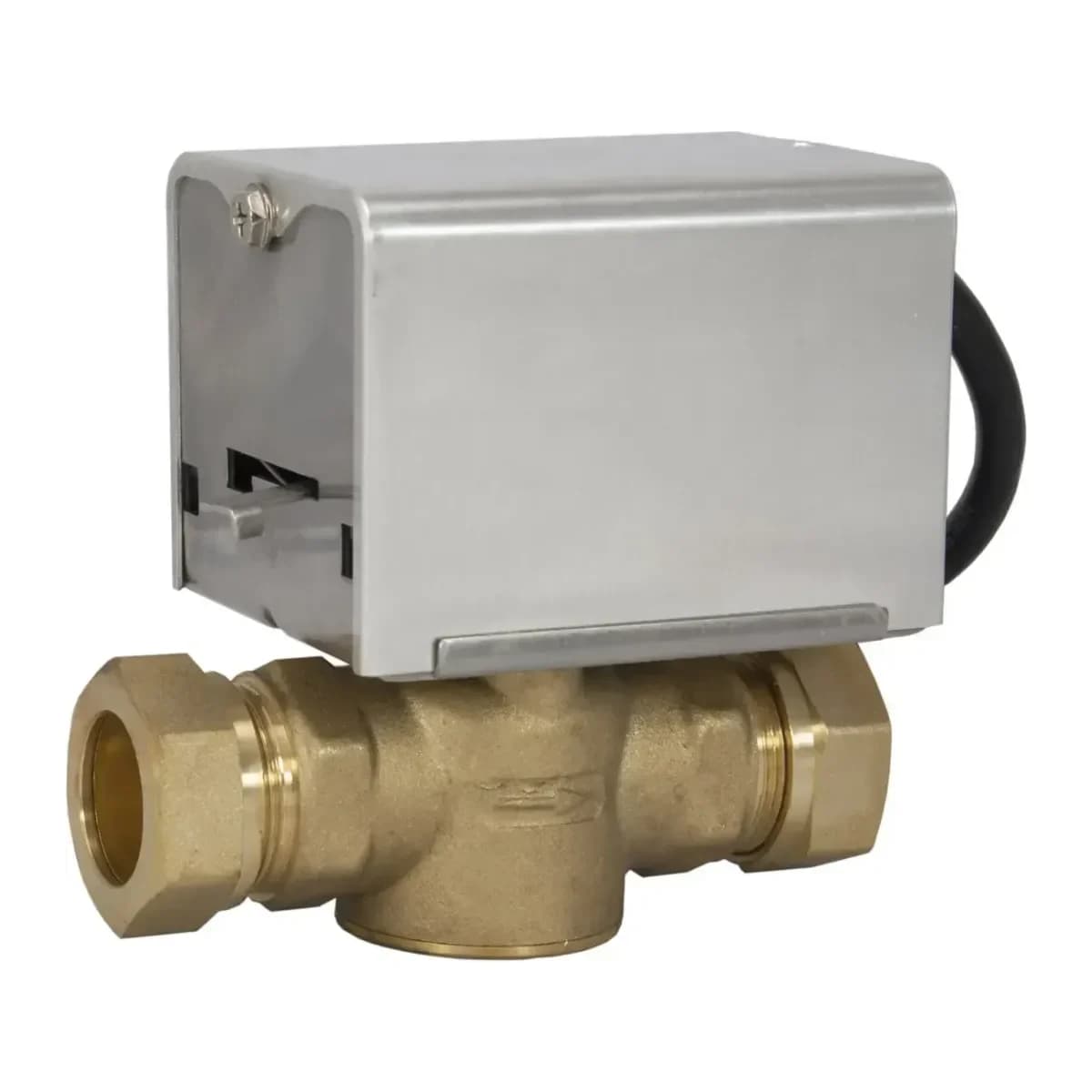 In stockEclipse Motorised Zone Valve
4 sizes available
Frominc VAT£47.69 ex VAT
✓ Delivery available✓ Collect today
 In stock
Drayton
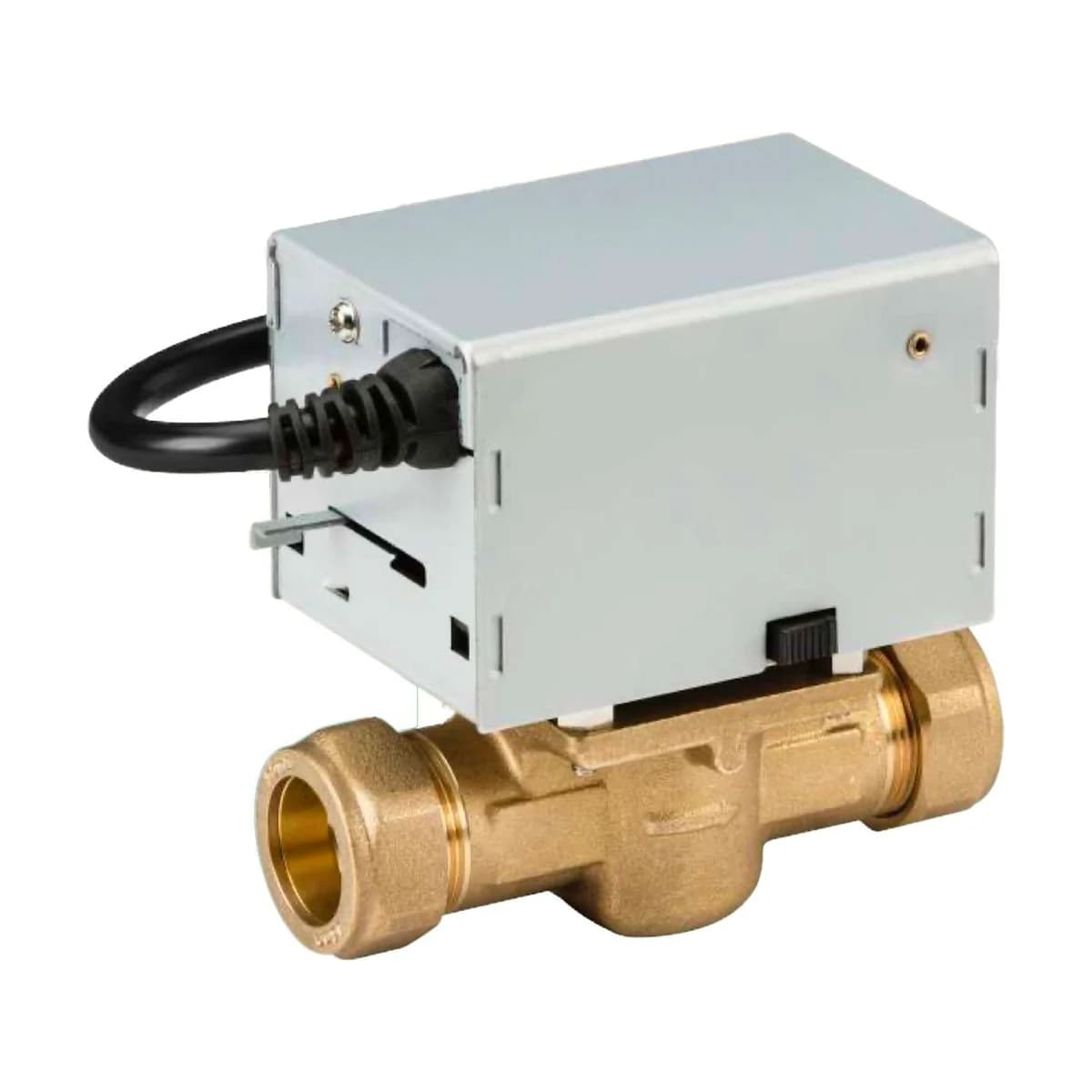
Drayton Motorised Zone Valve - 2 Port 22mmCode: LP-1NFGP6R
inc VAT£54.97 ex VAT
✓ Delivery available✓ Collect today
 In stock
ESI
ESI 2 Port Zone Valve 28mm - ESZV282NCode: LP-1JQP0GI
inc VAT£56.58 ex VAT
✓ Delivery available✓ Collect today
 In stock
Honeywell
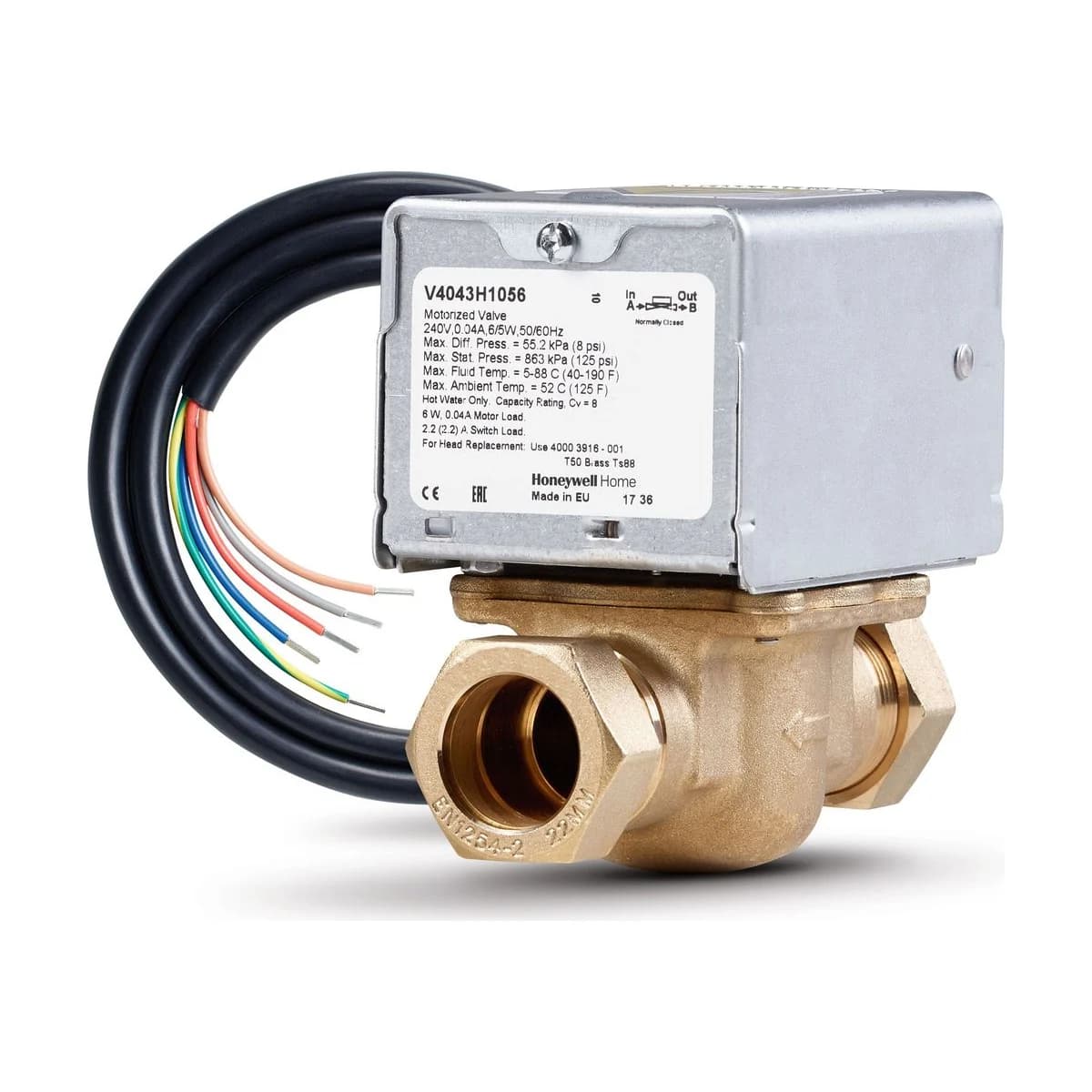
Honeywell 22mm 2 Port Motorised Zone ValveCode: LP-ITOYJE
inc VAT£59.01 ex VAT
✓ Delivery available✓ Collect today
Changing a head like for like is a quick job for an engineer: the new head's flex goes back to the same terminals in the wiring centre as the old one, which is another reason to photograph the connections before anything is undone. Some heads need one wire left unused on certain valve models, so read the instructions that come with it. For a new S-plan, Honeywell's S-plan installer pack is on the same shelf.
Programmers and controls for S-plan and Y-plan
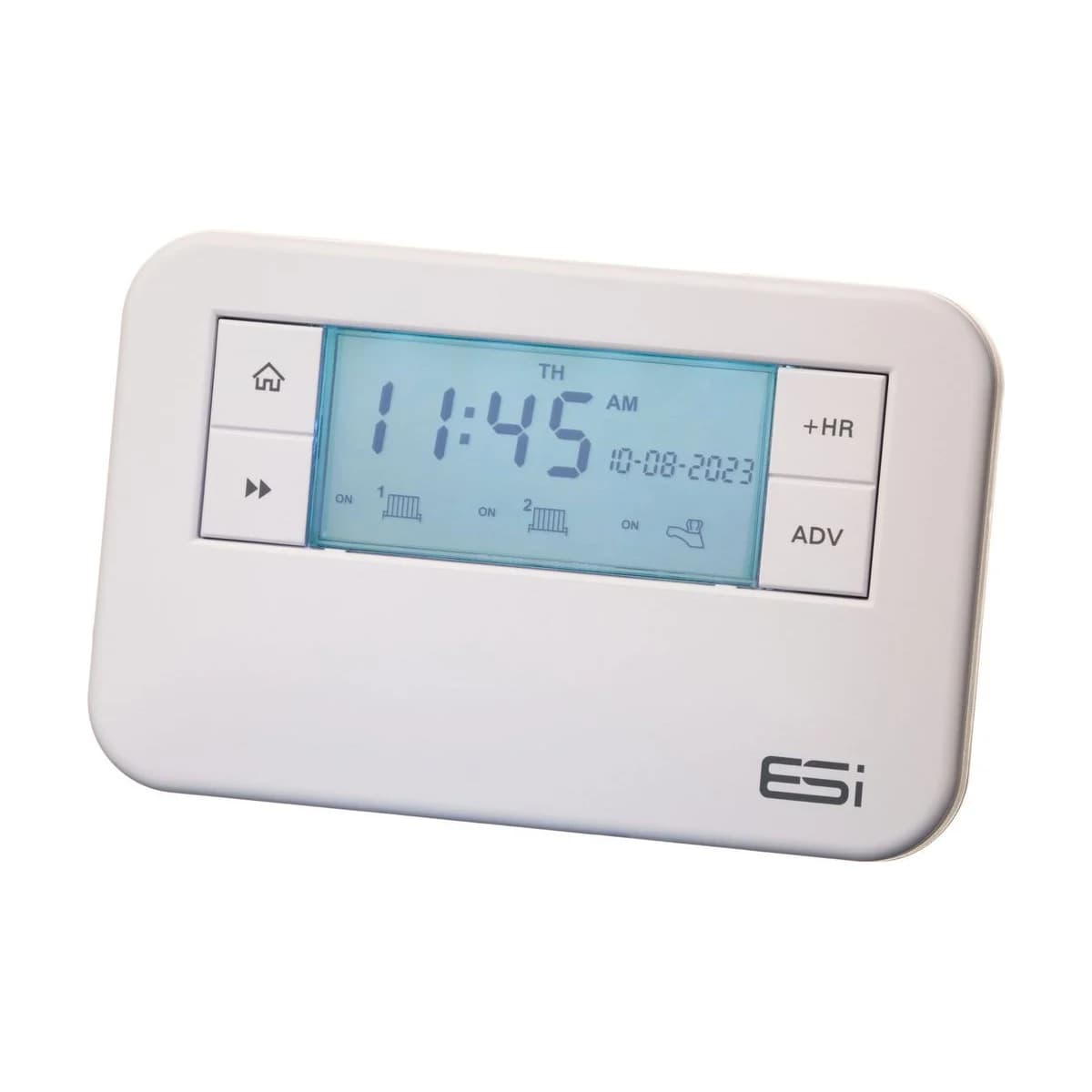
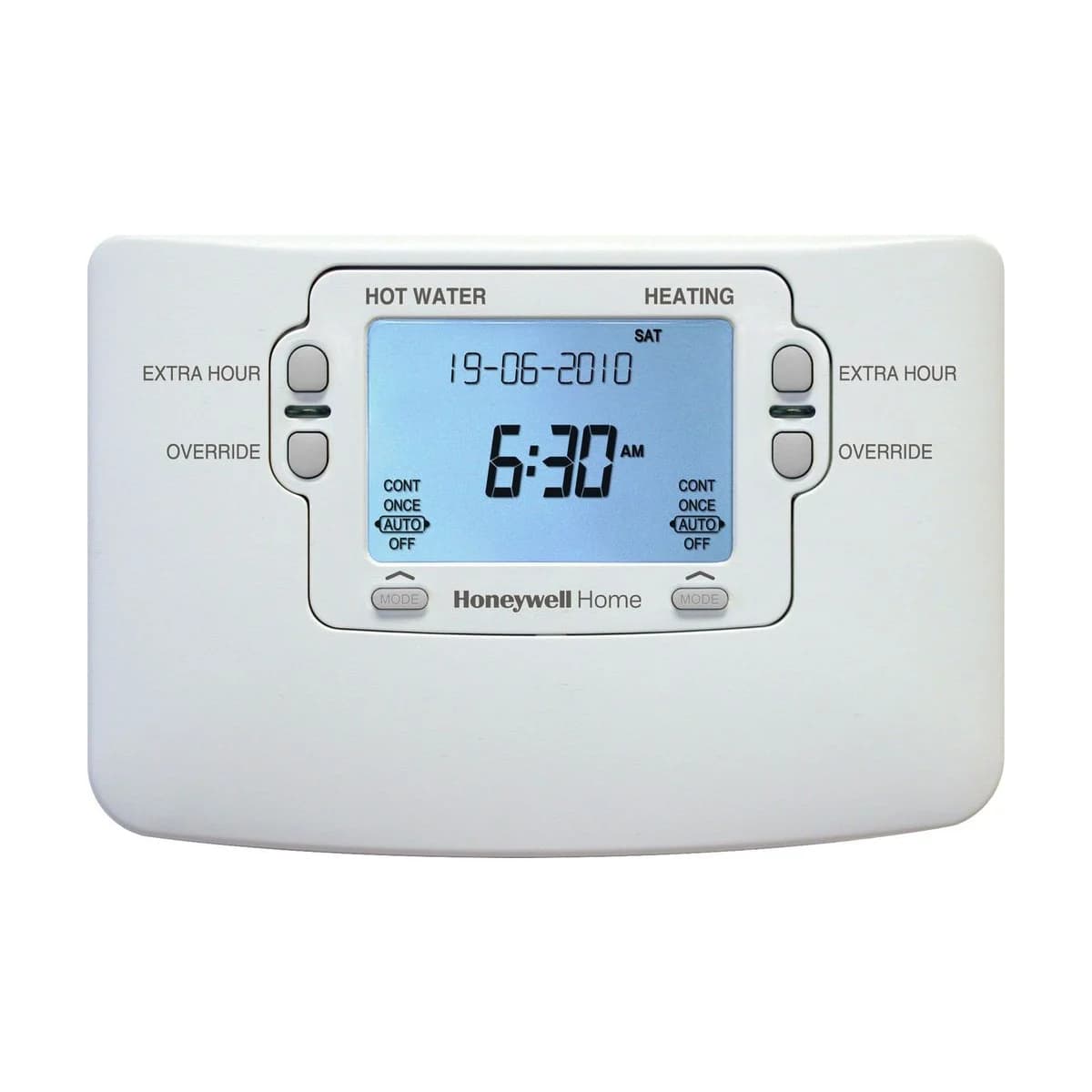
Both plans need a 2-channel programmer — one channel for the heating, one for the hot water — or a smart control with hot water. An S-plan plus with two heating zones needs a 3-channel programmer or a multi-zone smart system.
| Shelf | Lines | From |
|---|---|---|
| Motorised valves and heads | 18 | £14.55 |
| Programmers and timers | 11 | £11.64 |
| Room and cylinder thermostats | 32 | £12.80 |
| Smart controls and wiring centres | 6 | £13.55 |
 In stock
 In stock
 In stock
Honeywell
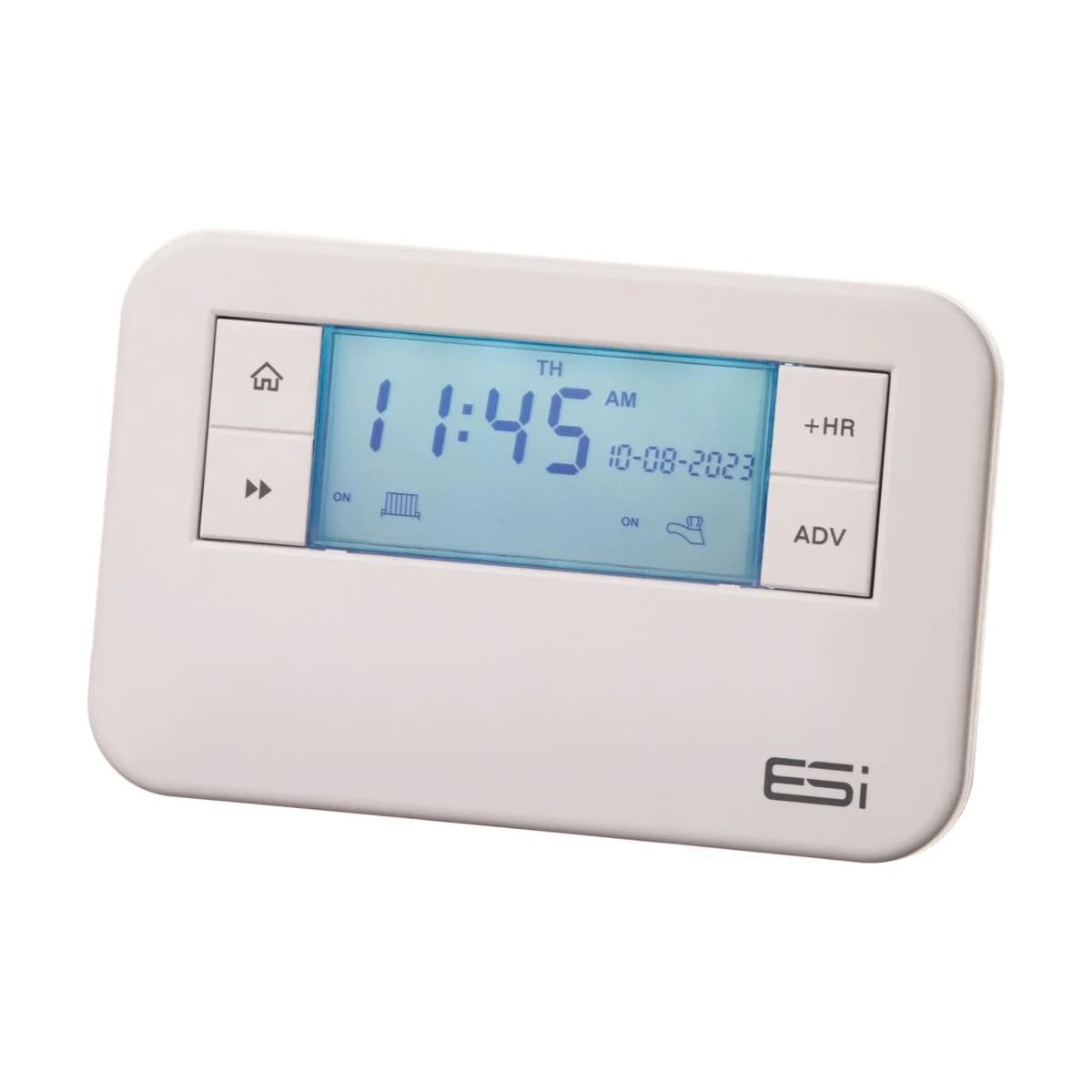
Honeywell ST94400C Programmer (7day - 2-channel)Code: LP-MCJQ8A
inc VAT£76.79 ex VAT
✓ Delivery available✓ Collect today
Swapping a 2-channel programmer for a smart thermostat with hot water control is a popular upgrade — the smart thermostat guide explains which versions suit a cylinder system. When a boiler is replaced, the installer should also make sure the controls switch the boiler off when neither the heating nor the hot water is calling. That's known as boiler interlock, and in an S-plan or Y-plan it's the thermostats working through the valves.
Questions
- Is S-plan better than Y-plan?
- S-plan is more flexible: each circuit has its own valve, so one failure doesn't take out both, and adding zones is easy. A Y-plan that works is perfectly good, though, and not worth re-piping on its own.
- Why do I have hot water but no heating?
- On a Y-plan, the classic cause is a failed valve motor, because most mid-position valves sit open to hot water when unpowered. On an S-plan, it's usually the heating valve's head or end switch. Check the programmer and room thermostat first.
- Can I replace a motorised valve head without draining the system?
- Usually, yes. On most modern valves the head unclips or unscrews from the body, which stays in the pipework. The new head must match the valve body, and the wiring should be done by a competent person.
- Can I convert a Y-plan to an S-plan?
- Yes. The 3-port valve is replaced with a tee and two 2-port zone valves, and the wiring centre is rewired. It's usually done by a heating engineer when the boiler or the valve is being replaced.
- Do combi boilers have a motorised valve?
- Not in the airing cupboard. A combi switches between heating and hot water with a diverter valve inside the boiler. If a combi gives heating but no hot water, call a Gas Safe registered engineer.
- What is a W-plan heating system?
- One with a single 3-port diverter valve that sends water to the hot water or the heating, never both, with hot water taking priority. The heating pauses while the cylinder heats up.
Related guides
- Heating & boilersCombi vs System vs Regular Boiler: Which Do You Need?
- Heating & boilersHow to Bleed and Balance Radiators
- Heating & boilersMagnetic Filters and Inhibitor: How to Protect Central Heating