
The short answer
Most UK kitchen sinks take a monobloc mixer through one tap hole of about 35mm, fed by flexible tails that screw into the tap and connect to 15mm pipe. Choose single lever for one-handed control, dual lever for a traditional look, or a pull-out spray for rinsing. Check the minimum working pressure first: many mixers need about 1 bar, fine on a combi or unvented cylinder, but a tank-fed hot supply needs a tap rated for low pressure.
Monobloc, pillar or bridge: which kitchen tap fits your sink?
Start with the holes in the sink or worktop, because the tap has to match them.
| Type | Tap holes | Good to know |
|---|---|---|
| Monobloc mixer | 1 | The UK standard: one body and spout, hot and cold mixed inside; fits a hole of about 35mm |
| Pull-out or pull-down mixer | 1 | A monobloc with a spray head on a hose inside the spout |
| Bridge mixer | 2 | Two handles joined by a bridge to one spout; a traditional look for Belfast and period sinks |
| Pillar taps | 2 | Separate hot and cold taps on ½" BSP threads; forgiving on low pressure, but no mixed water |
Going from two holes to a monobloc? On a stainless steel sink, cover the spare hole with a tap hole stopper. With an undermount or Belfast sink the tap usually goes through the worktop: laminate can be cut with a hole saw, but stone and quartz need a specialist. Check the tap's maximum deck thickness too — a thick worktop may need a longer fixing stud.
Single lever or dual lever?
- Single lever mixers control flow and temperature with one handle through a ceramic cartridge — easy to work with wet or messy hands. Cartridges are commonly 35mm or 40mm, and when the tap starts to drip a new one usually cures it: see tap cartridges.
- Dual lever (twin handle) mixers have separate hot and cold handles, usually on quarter-turn ceramic valves, feeding one spout. They suit a traditional kitchen and let you set the mix precisely.
Then check the spout. It should reach roughly over the middle of the bowl, swivel if you have a one-and-a-half or double bowl, and clear any window sill, shelf or wall cupboard when you swing it or lift the lever.
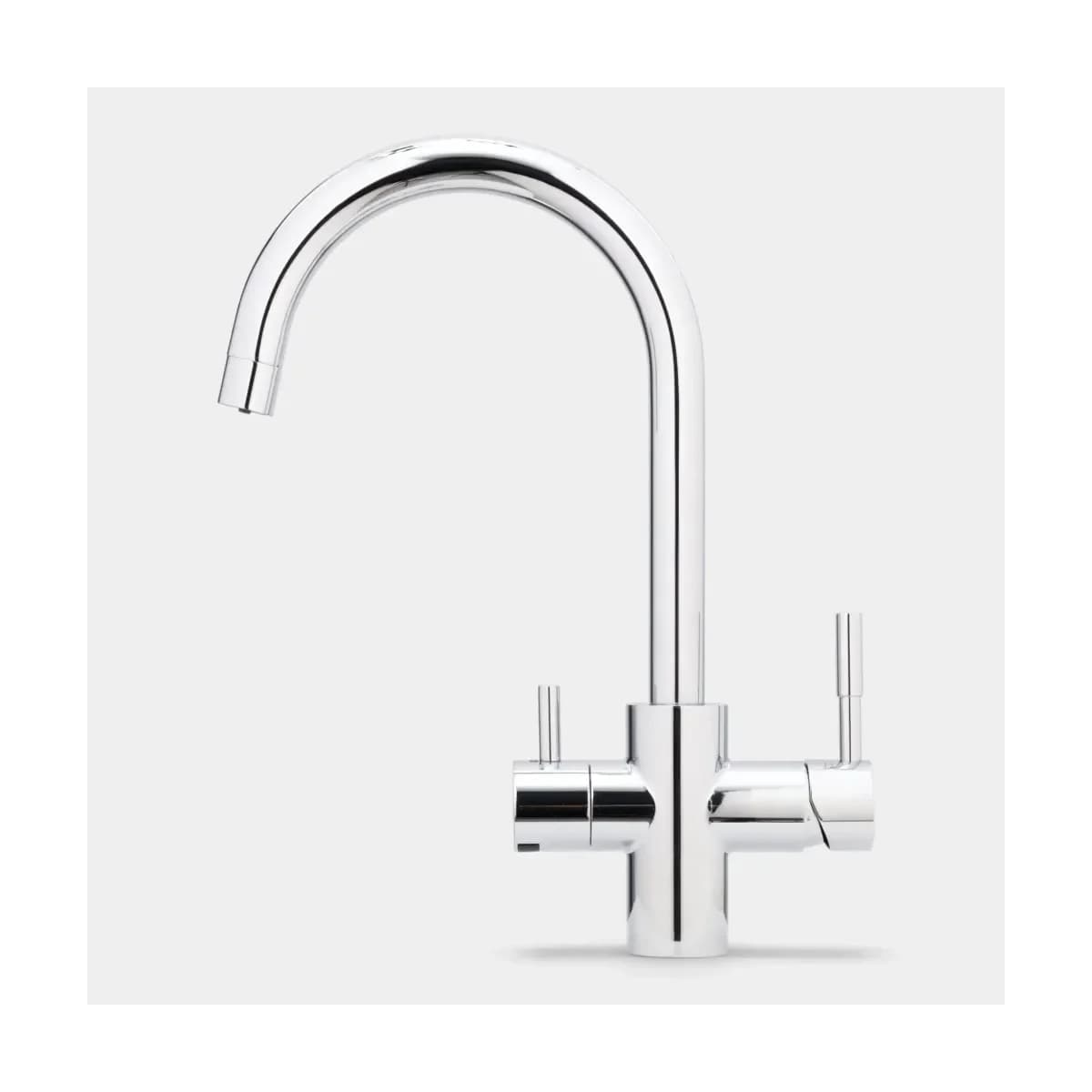 In stock
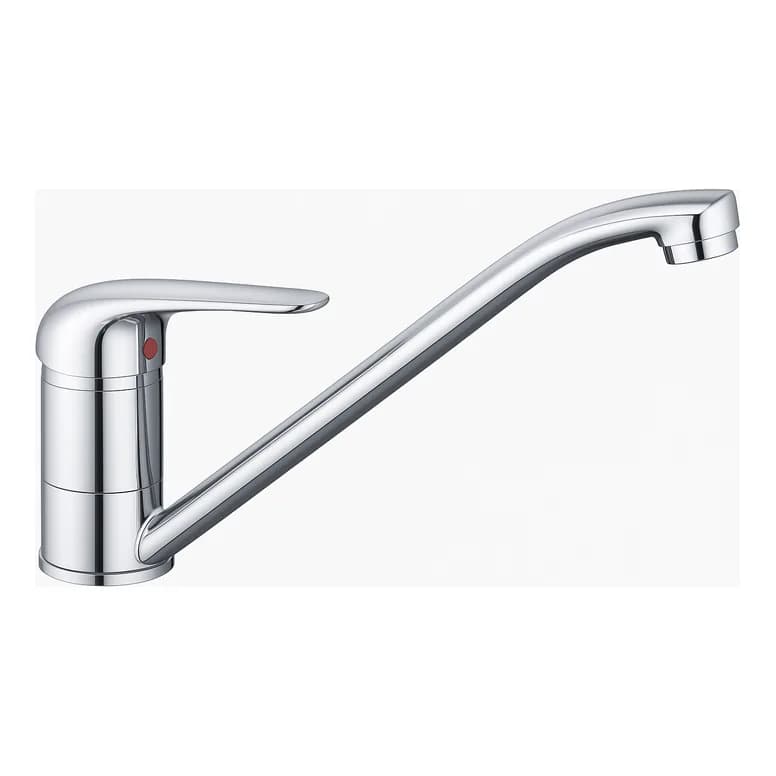 In stock
SCN
SCN Kitchen Sink Mixer Tap8 options available
Frominc VAT£25.05 ex VAT
✓ Delivery available✓ Collect today
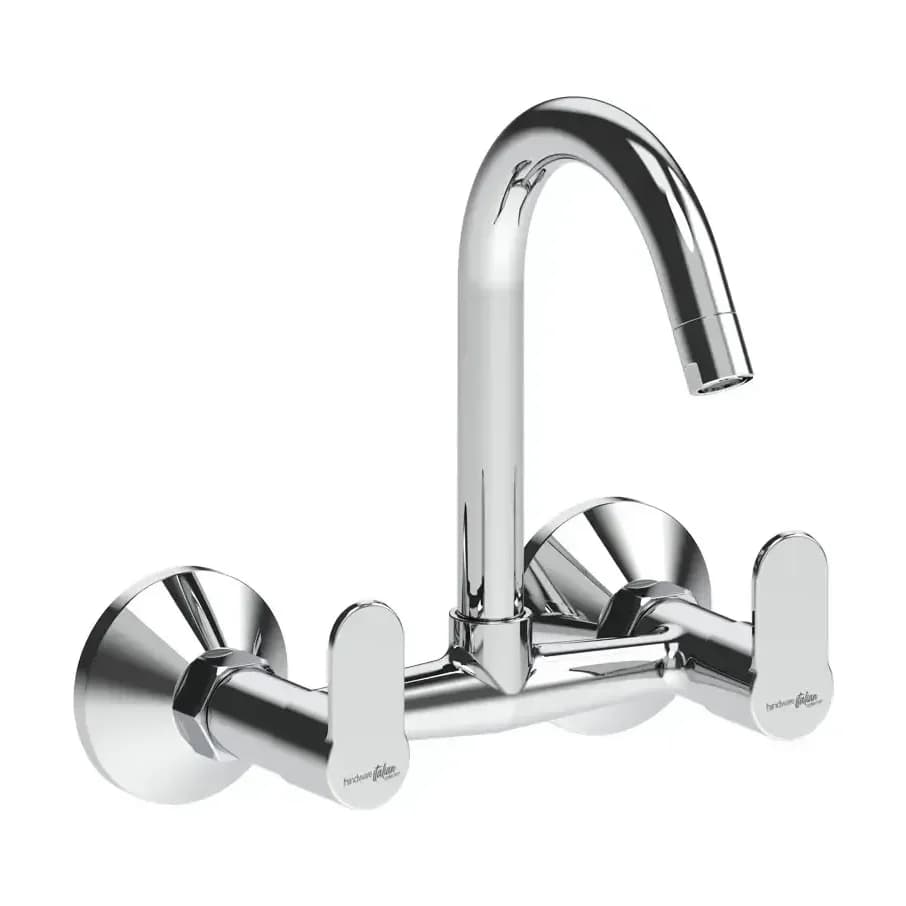 In stock
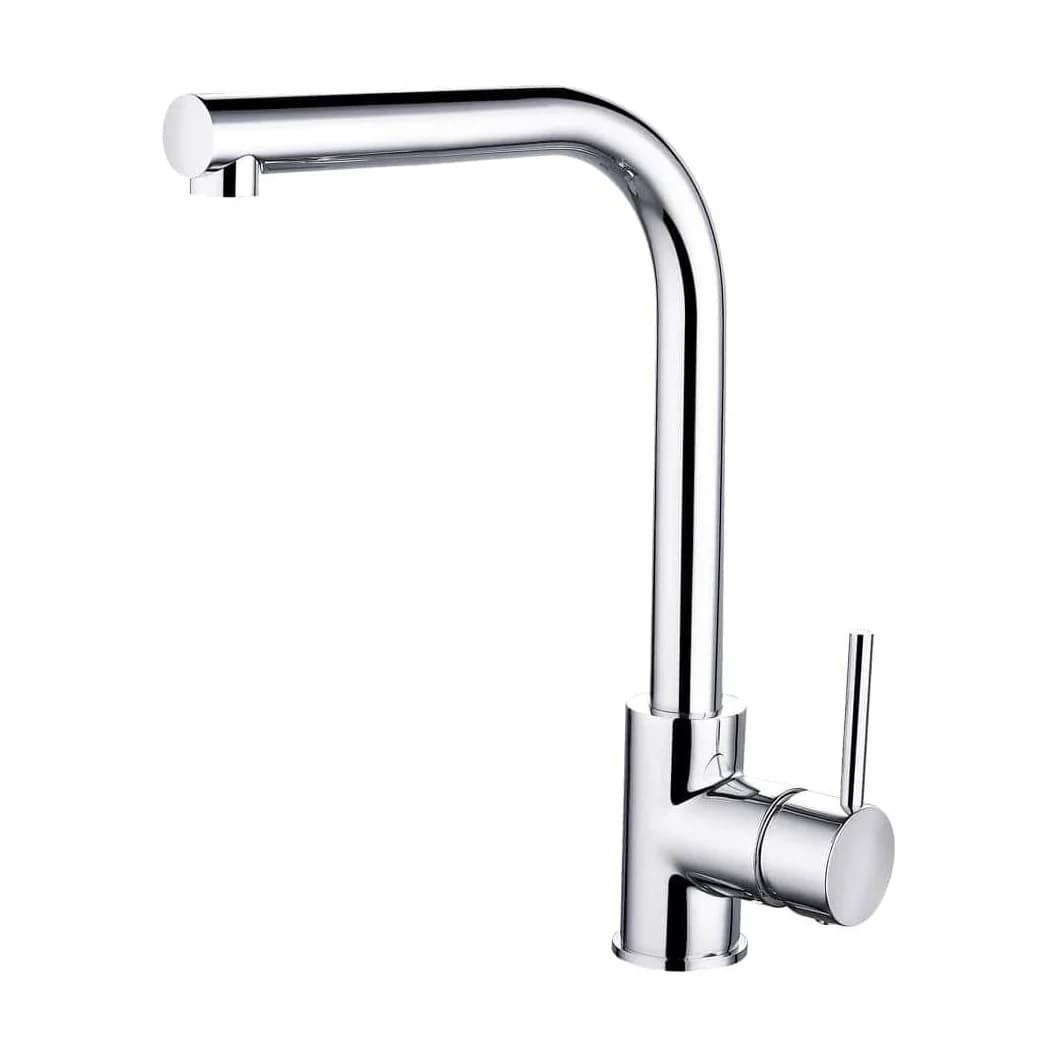 In stockTrisen Adria Single Lever Sink Mixer
Code: LP-DA7LIJ
inc VAT£44.30 ex VAT
✓ Delivery available✓ Collect today
Are pull-out kitchen taps worth it?
A spray head makes rinsing pans, filling buckets and cleaning the sink much easier. Pull-out heads draw towards you from a lower spout; pull-down heads drop into the sink from a tall arched spout; professional-style taps have an exposed coiled spring with the spray clipped to it. Before you buy one, check three things:
- Pressure. Sprays are designed around mains pressure, and on a tank-fed hot supply they're likely to disappoint. Check the minimum working pressure.
- Space under the sink. The hose loops down below the worktop with a weight on it to pull the head back, so it needs clear space away from the bin, the waste and any other pipework.
- Height. A tall pull-down spout needs clearance under a window sill or shelf.
Pull-outs on our shelf include the Kitchen Sink Mixer with Pull Out Spray and the GROHE Minta.
Which kitchen taps work on low water pressure?
Find out how the tap will be fed. With a combi boiler or an unvented cylinder, hot and cold both arrive at mains pressure and almost any tap will work. With a cold tank in the loft and a hot cylinder in a cupboard, the hot is gravity-fed, and even a ground-floor kitchen tap may only get a few tenths of a bar.
Many modern single-lever mixers are designed for about 1 bar or more. On a gravity system, choose a tap whose stated minimum working pressure is at or below what you have — makers mark taps that suit low pressure — or pillar taps, which have a wide waterway and nothing to mix. Our low water pressure guide shows how to work out your pressure and flow.
Tap tails: M10, M12 and 15mm explained
A monobloc tap comes with two flexible tails. One end screws into the tap body on a fine metric thread — usually M10 or M12, occasionally M8 — and seals on a small O-ring, so it goes in hand-tight with no PTFE tape. The other end makes a compression joint with the 15mm supply pipe or isolating valve.
Replacement tails must have the right thread for the tap, so check the instructions or bring an old tail to the counter. If the tails won't reach, bridge the gap with a 15mm tube-to-tube flexible connector or a length of pipe rather than stretching them, and never kink or twist a flexible hose to make it fit.
| Connector | Tap end | Supply end | Price |
|---|---|---|---|
| Monobloc tail, M10, 300mm | M10 thread | 15mm compression | £3.74 |
| Monobloc tail, M12, 300mm | M12 thread | 15mm compression | £3.59 |
| Flexible tap connector, 300mm | ½" BSP nut, for pillar taps | 15mm compression | £2.99 |
| Tube-to-tube connector, 300mm | 15mm tube | 15mm tube | £3.77 |
There are 71 lines on the tap connectors shelf, from £0.87. Pillar taps use BSP threads instead — our BSP thread guide has the sizes.
Do you need isolating valves under the sink?
They're not always required, but they're well worth fitting. An isolating (service) valve on each supply lets you turn off just the tap to change a cartridge, a tail or the whole tap, without draining the house. A quarter turn with a flat screwdriver works them: slot across the pipe is off, in line with it is on.
- 15mm compression valves go into the copper or plastic pipe, like this 15mm isolating valve at £1.46.
- Flat-faced valves, 15mm × ½", take a hose or connector with a ½" nut and washer, like this flat-faced isolating valve.
- Flexible connectors with a built-in isolator, such as the Viva isolator hose, do both jobs in one.
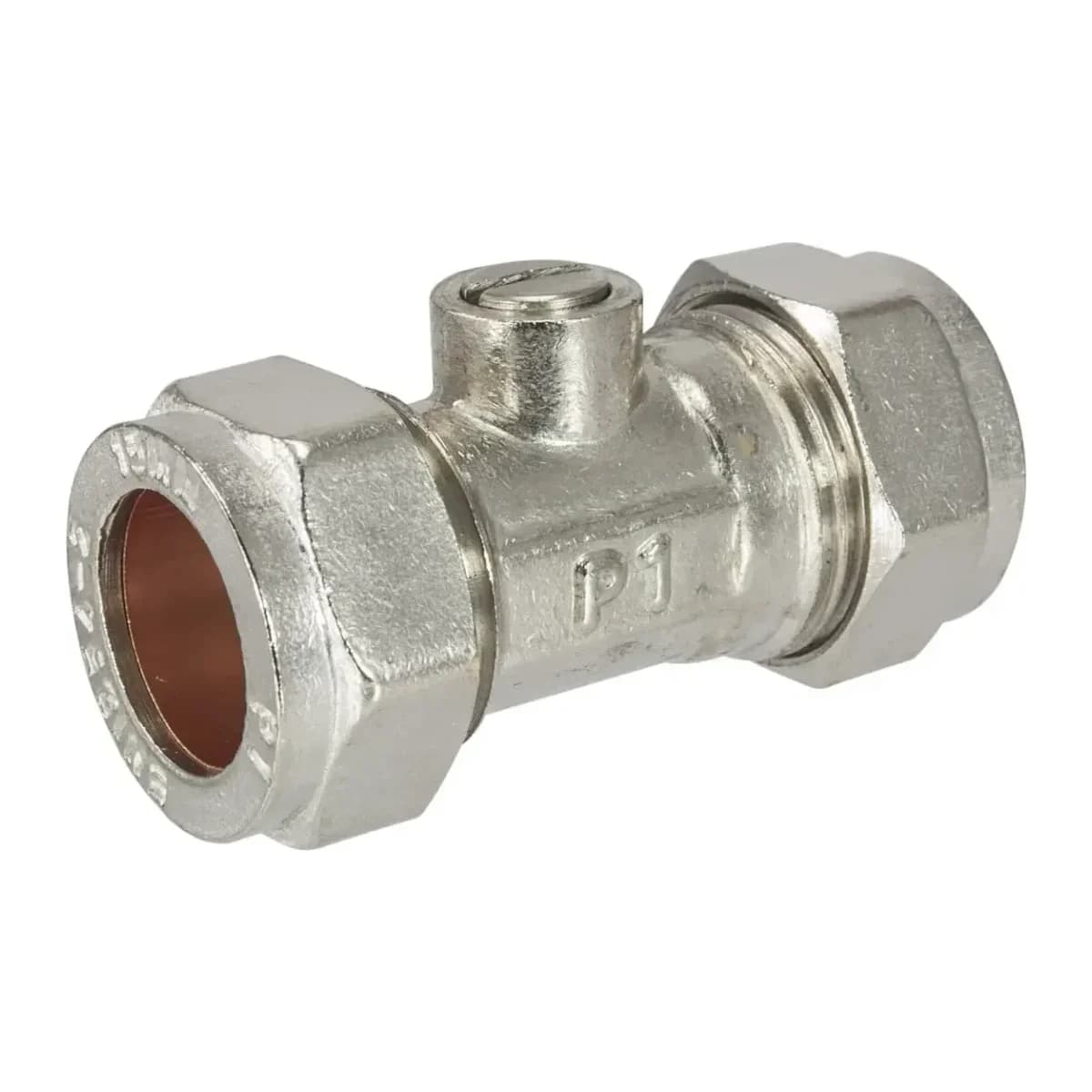 In stockIsolating Valve Chrome C x C
2 sizes available
Frominc VAT£1.22 ex VAT
✓ Delivery available✓ Collect today
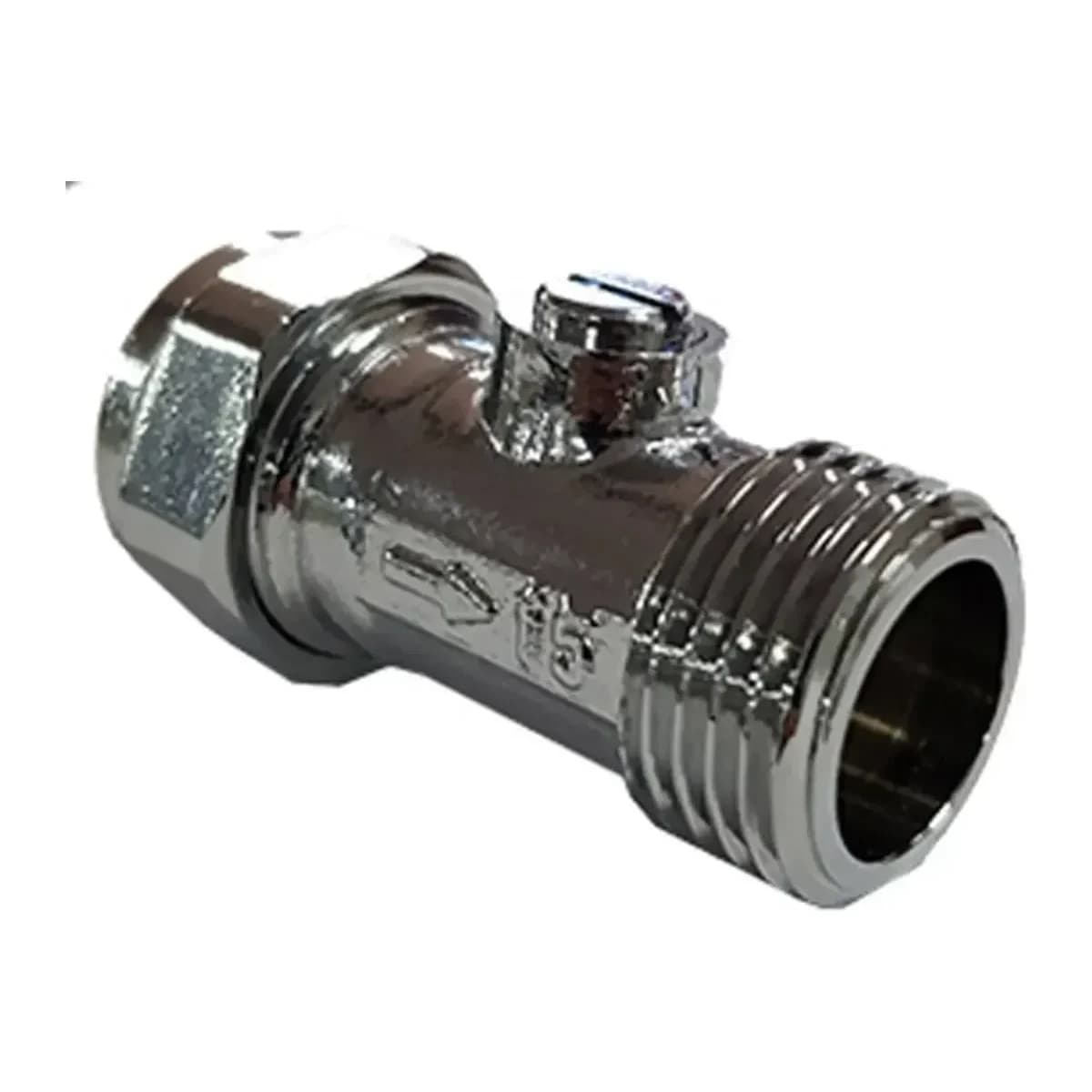 In stockMale End Chrome Straight Flat Faced Isolating Valve (15mm x 3/8 Inch BSP)
Code: LP-GQ2LB1
inc VAT£1.53 ex VAT
✓ Delivery available✓ Collect today
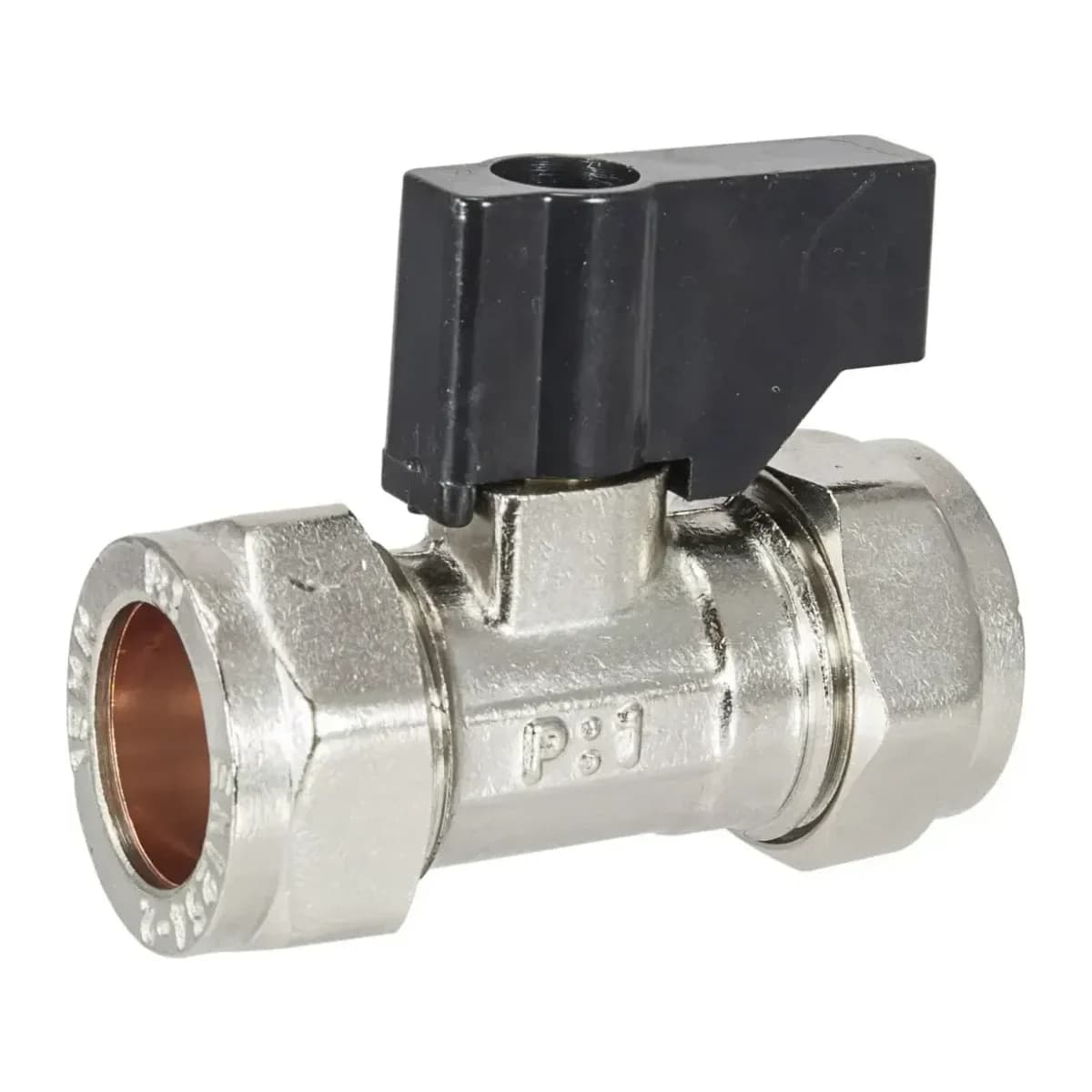 In stockIsolating Valve c/w Lever Chrome C x C
2 sizes available
Frominc VAT£1.70 ex VAT
✓ Delivery available✓ Collect today
- In stockIsolating Valve Flat Faced
3 sizes available
Frominc VAT£1.46 ex VAT
✓ Delivery available✓ Collect today
How to fit a kitchen mixer tap
- Turn off the hot and cold at the isolating valves, or at the stop tap, and open the old tap to drain it.
- Disconnect the supplies and undo the old tap's back nut. A basin wrench or tap spanner makes this far easier in the cramped space behind the bowl.
- Lift out the old tap and clean the deck so the new seal sits flat.
- Screw the flexible tails into the new tap by hand until snug — don't put a spanner on the tap end.
- Fit the seal under the tap's base, feed the tails through the hole and stand the tap in place.
- From below, slide the backing plate (often horseshoe-shaped) over the stud and tighten the nut, keeping the spout straight. A monobloc mounting kit replaces lost or short fixings.
- Flush the supply pipes into a bucket to clear any debris, then connect the tails: hot on the left and cold on the right as you face the tap.
- Turn the water on slowly, run the tap, and check every joint for drips. Check again the next day.
Rather have it fitted? Our supply & fit service covers Greater London, or call the counter on 020 3802 3275 if you're not sure which parts you need.
Questions
- What size hole does a kitchen tap need?
- Most monobloc kitchen taps fit a tap hole of about 35mm, the size most sinks are punched to. Check the tap's instructions for its hole range and maximum deck thickness.
- Will a monobloc tap fit a sink with two holes?
- Yes, in one hole, with the other covered by a tap hole stopper. Or choose a bridge mixer or pillar taps, which use both holes.
- What water pressure does a kitchen mixer tap need?
- It depends on the tap, so check its minimum working pressure. Many single-lever mixers want about 1 bar, which suits combis and unvented cylinders; on a tank-fed hot supply, choose a tap rated for low pressure.
- What size are monobloc tap tails?
- The tap end is usually an M10 or M12 metric thread, sometimes M8, and the other end connects to 15mm pipe. Bring an old tail to the counter if you're not sure.
- Do I need PTFE tape on tap tails?
- Not on the end that screws into the tap: it seals on an O-ring and goes in hand-tight. The compression joint at the other end seals on its olive.
- Which side is hot on a kitchen tap?
- In the UK, hot is on the left and cold on the right as you face the tap.
- Should I fit isolating valves for a kitchen tap?
- Yes, it's good practice. They let you shut off just the tap to change a cartridge, a tail or the tap itself.
Related guides
- Bathrooms & showersLow Water Pressure: Which Taps and Showers Will Work?
- Bathrooms & showersBasin Tap Types Explained: Monobloc, Pillar, Wall-Mounted and Tall Taps