
The short answer
Lag every pipe in the loft, garage, under floors and on outside walls with foam insulation that fits the pipe, isolate and drain outside taps, and keep the heating on low or on frost setting in a freeze. If a pipe does freeze, turn the water off at the stop tap and thaw it gently from the tap end with a hairdryer or warm cloths — never a flame. If it bursts, turn off the stop tap and drain the system straight away.
Before the frost
- Lag exposed pipes in the loft, garage, under suspended floors and along outside walls, including the cold water tank and its pipes.
- Isolate outside taps from the valve inside, then open the outside tap to drain it, and fit an insulated cover.
- Find your stop tap now — usually under the kitchen sink or where the supply enters — and check it turns.
- Fix dripping taps: a slow drip in a cold room can freeze and block the waste.
Insulation slows freezing; it doesn't stop it if water sits still in an unheated space for days. That's why keeping a little heat in the house matters too.
Choosing pipe insulation
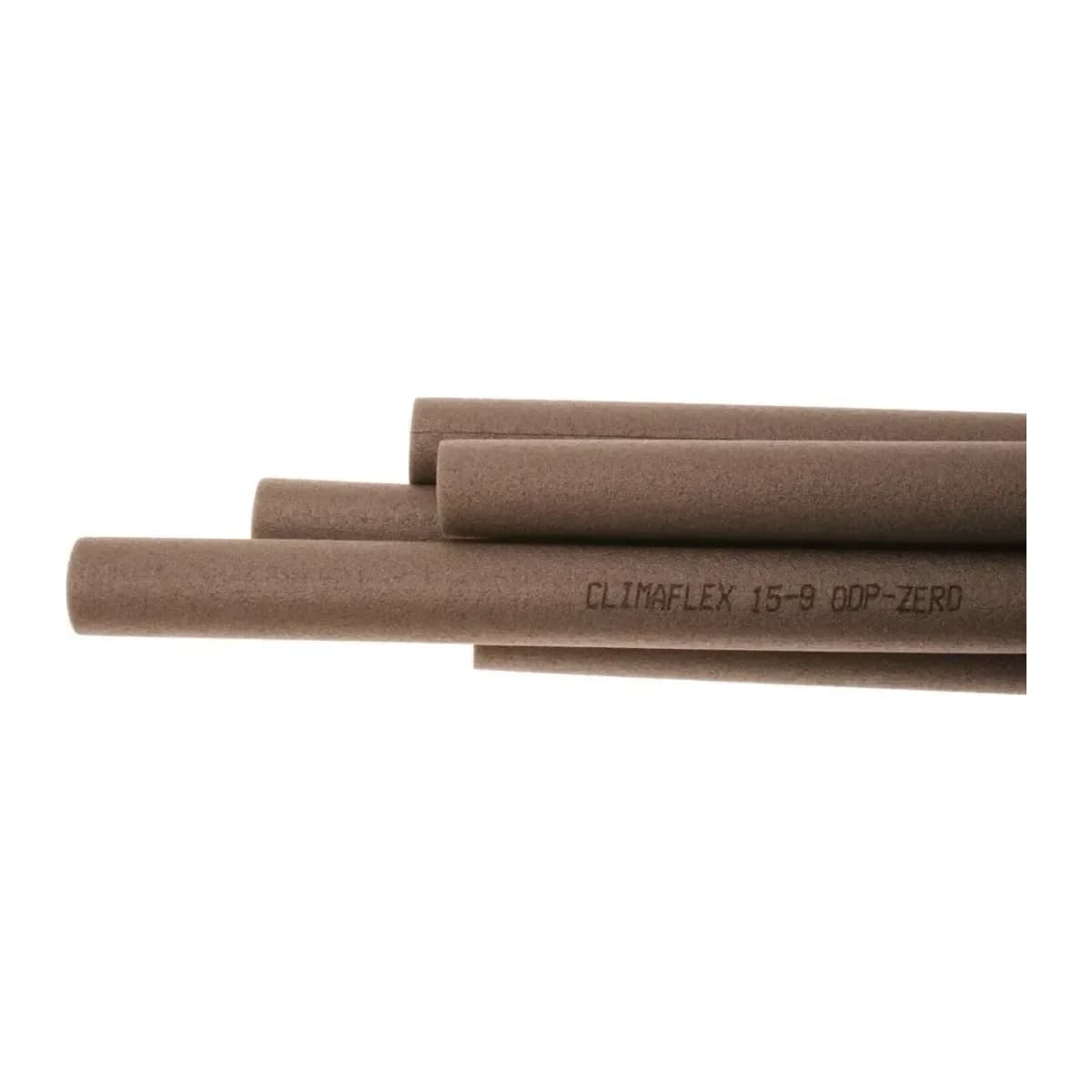
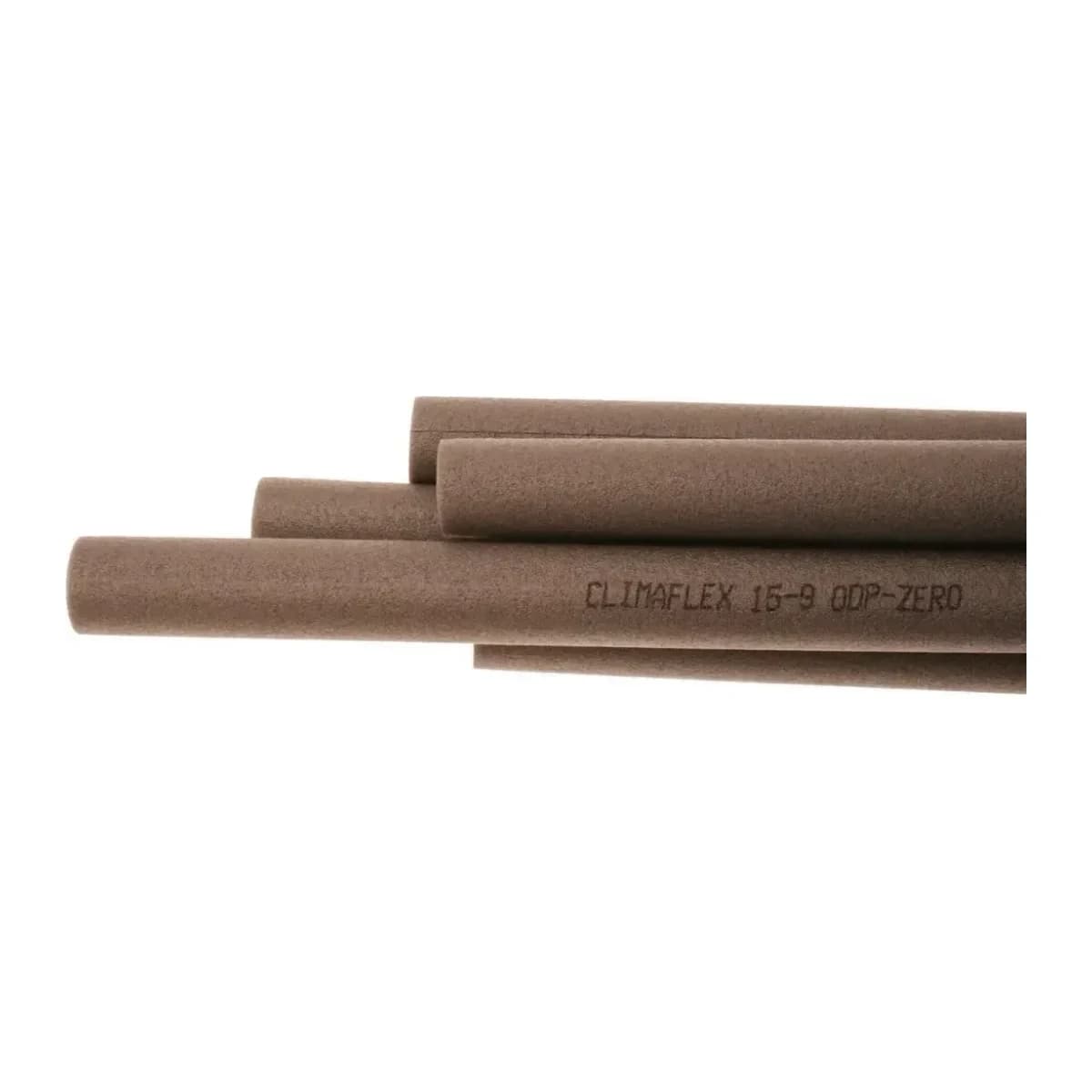
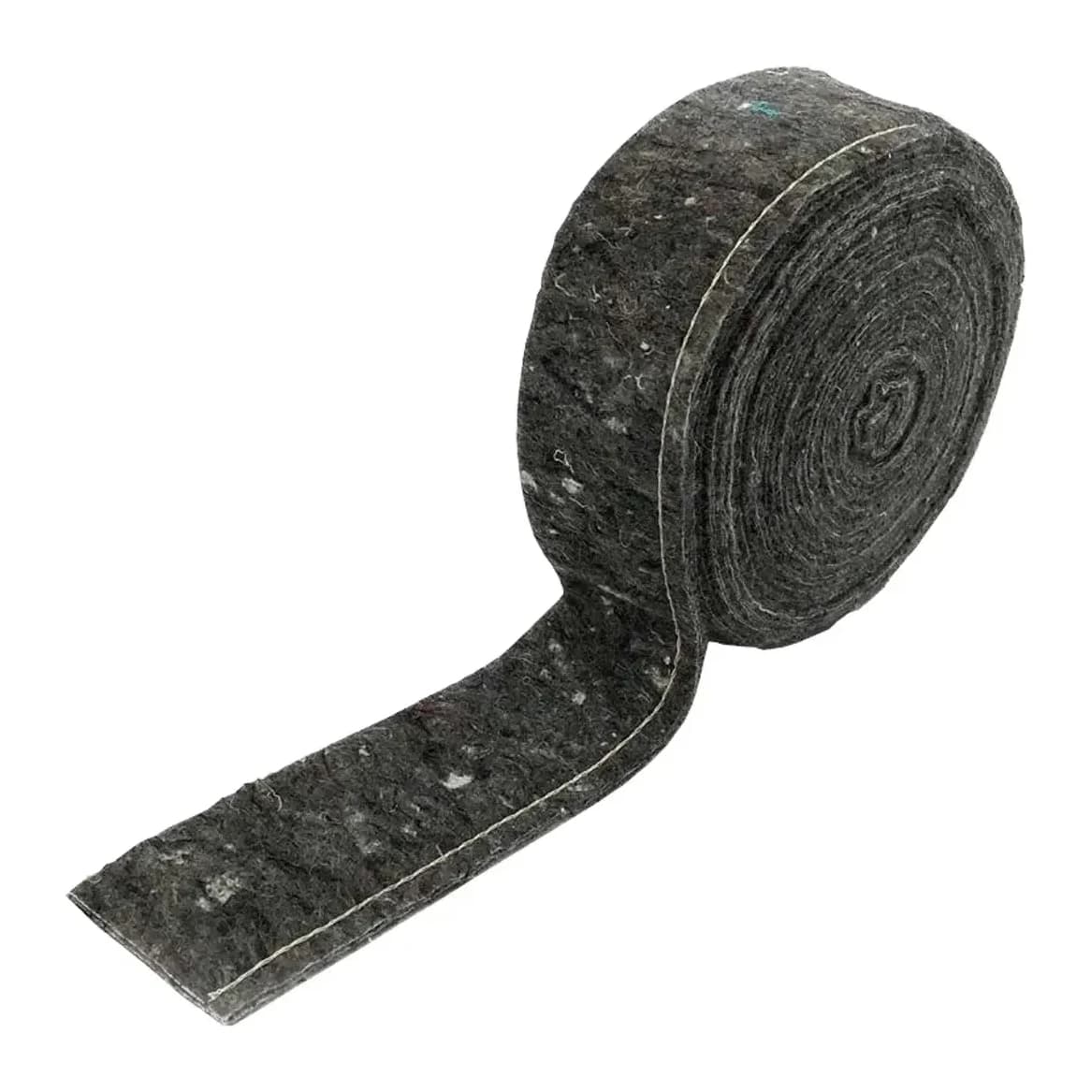
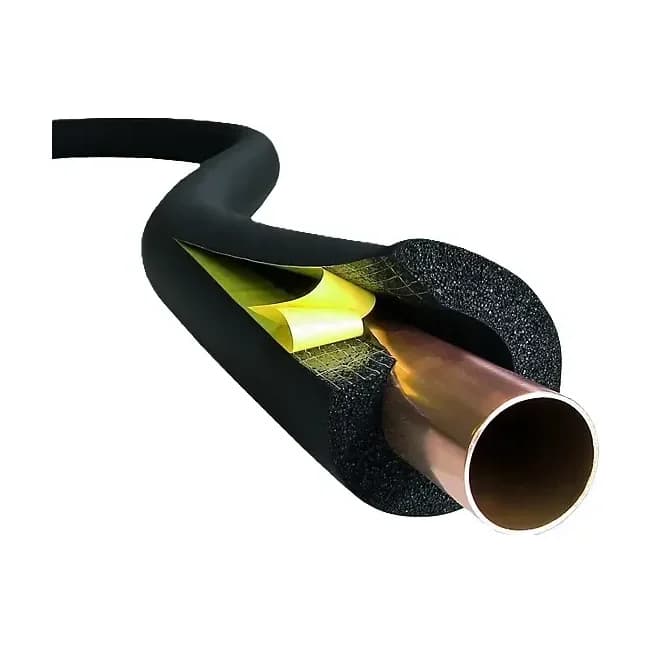
Match the insulation's bore to the pipe — 15mm, 22mm or 28mm — and choose a thicker wall for lofts, garages and outside runs. Close the joints and corners with tape, as gaps are where pipes freeze. Self-seal nitrile rubber is neater and lasts longer outside; split foam is cheapest for lofts.
 In stock
London Plumbing
Pipe Lagging21 sizes available
Frominc VAT£1.04 ex VAT
✓ Delivery available✓ Collect today
 In stock
London Plumbing
Pipe Lagging K-Flex PE Foam 1m x 22mm x 9mmCode: LP-JUNECG
inc VAT£1.94 ex VAT
✓ Delivery available✓ Collect today
 In stock
London Plumbing
15mm x 22mm Topsleve 7mCode: LP-1S5F3EP
inc VAT£4.85 ex VAT
✓ Delivery available✓ Collect today
 In stock
London Plumbing
K-Flex Self-Seal - Nitrile Rubber Pipe Insulation -2m10 sizes available
Frominc VAT£5.26 ex VAT
✓ Delivery available✓ Collect today
We stock 41 insulation lines from £1.25. See our Winter Ready page for the whole checklist.
During a cold snap
- Keep the heating on low, or use the boiler's frost setting, even when you're away.
- Open the loft hatch to let a little warmth up to the tank and pipes.
- Open the cupboard doors under sinks on outside walls.
- If you're away for a long time, turn off the water and drain down the system.
If a pipe freezes
- Turn the water off at the stop tap.
- Open the tap the pipe feeds, so melting water and steam can escape.
- Thaw gently from the tap end back towards the frozen section with a hairdryer, a hot water bottle or warm cloths.
- Never use a blowtorch or naked flame — it can split the pipe, melt solder and start a fire.
- Check carefully for splits as it thaws; a frozen pipe often bursts as the ice melts.
If a pipe bursts
- Turn off the stop tap straight away.
- Switch off the boiler and immersion heater.
- Open the cold taps to drain the pipes, and catch what you can.
- If water is near electrics, keep clear, and switch off at the consumer unit only if it's safe to reach.
- Repair the split with a coupler, or call a plumber. For emergency call-outs, our sister company Capital Plumbing Group covers London.
Plumbers can isolate a section without draining the whole system using a pipe freezer kit — we stock the Freeze-It spray kit at £17.46.
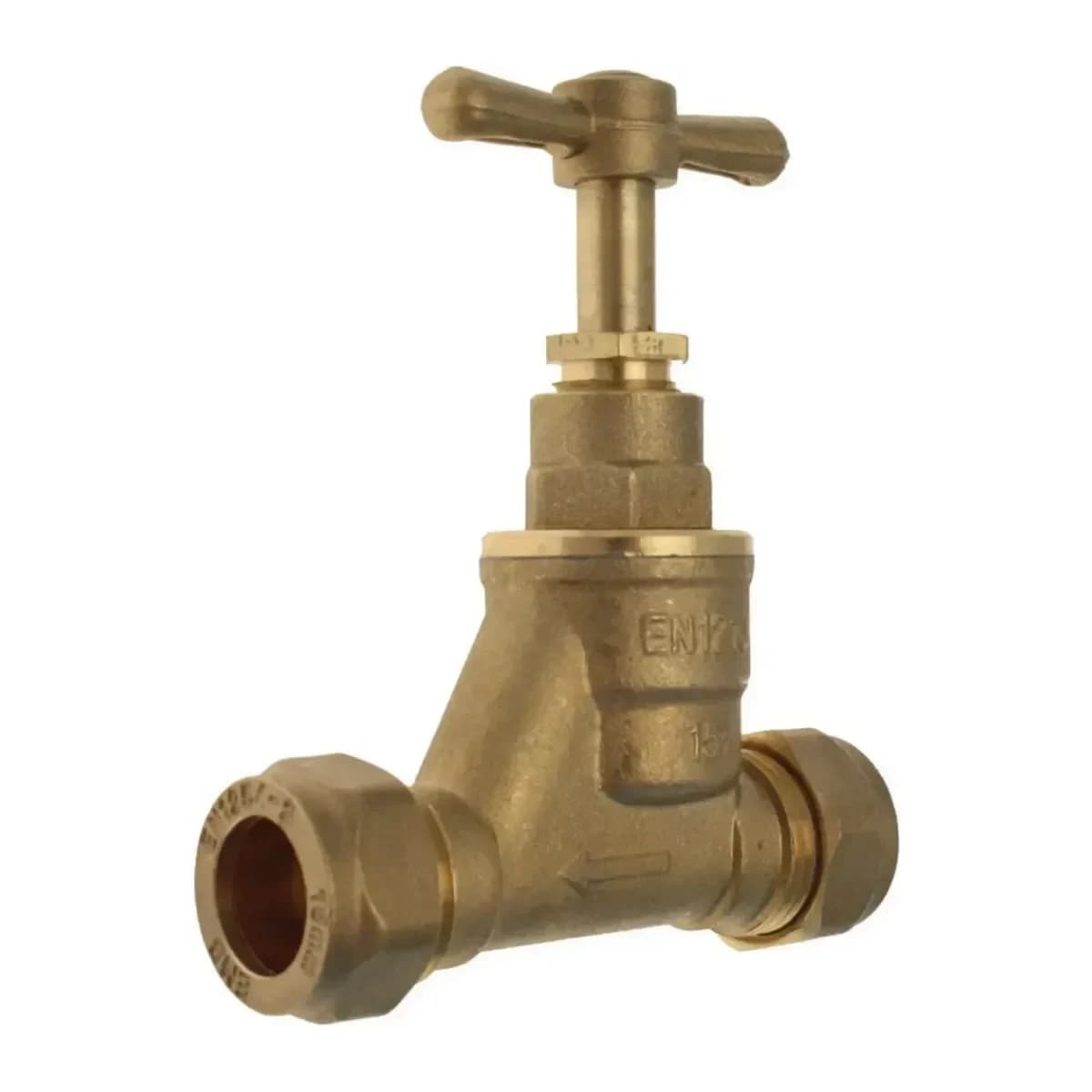 In stock
London Plumbing
Stopcock C x C - Brass3 sizes available
Frominc VAT£3.64 ex VAT
✓ Delivery available✓ Collect today
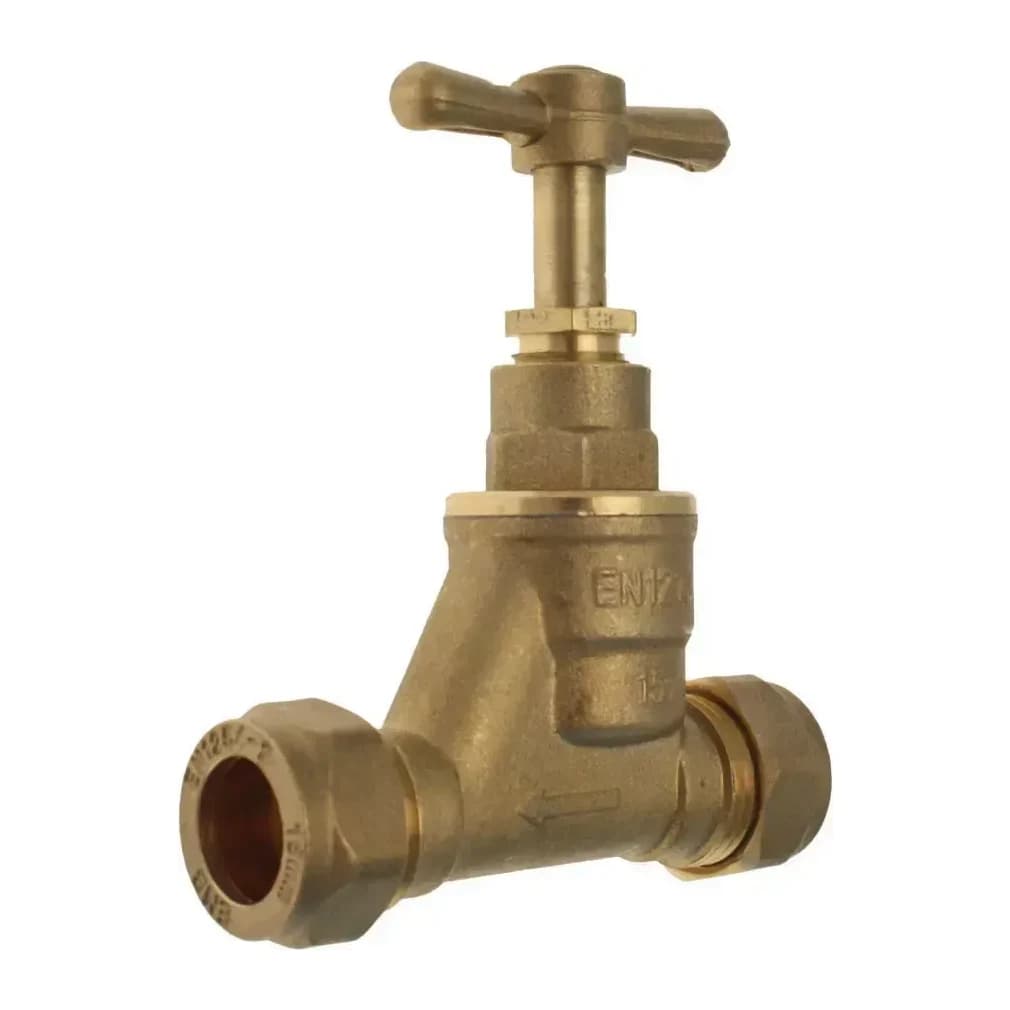 In stock
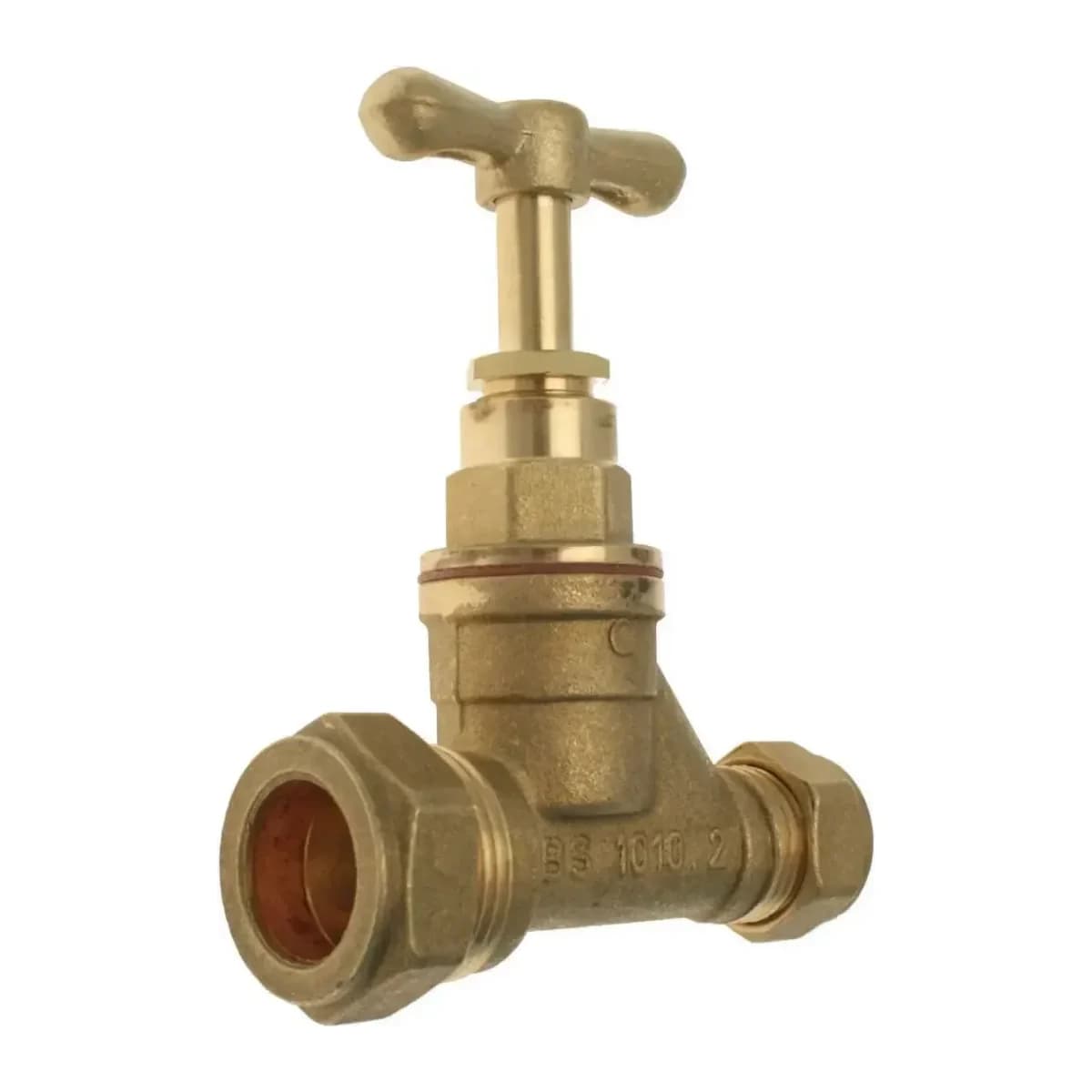 In stock
London Plumbing
Stopcock MDPE - C x Poly - Brass - WRAS3 sizes available
Frominc VAT£5.73 ex VAT
✓ Delivery available✓ Collect today
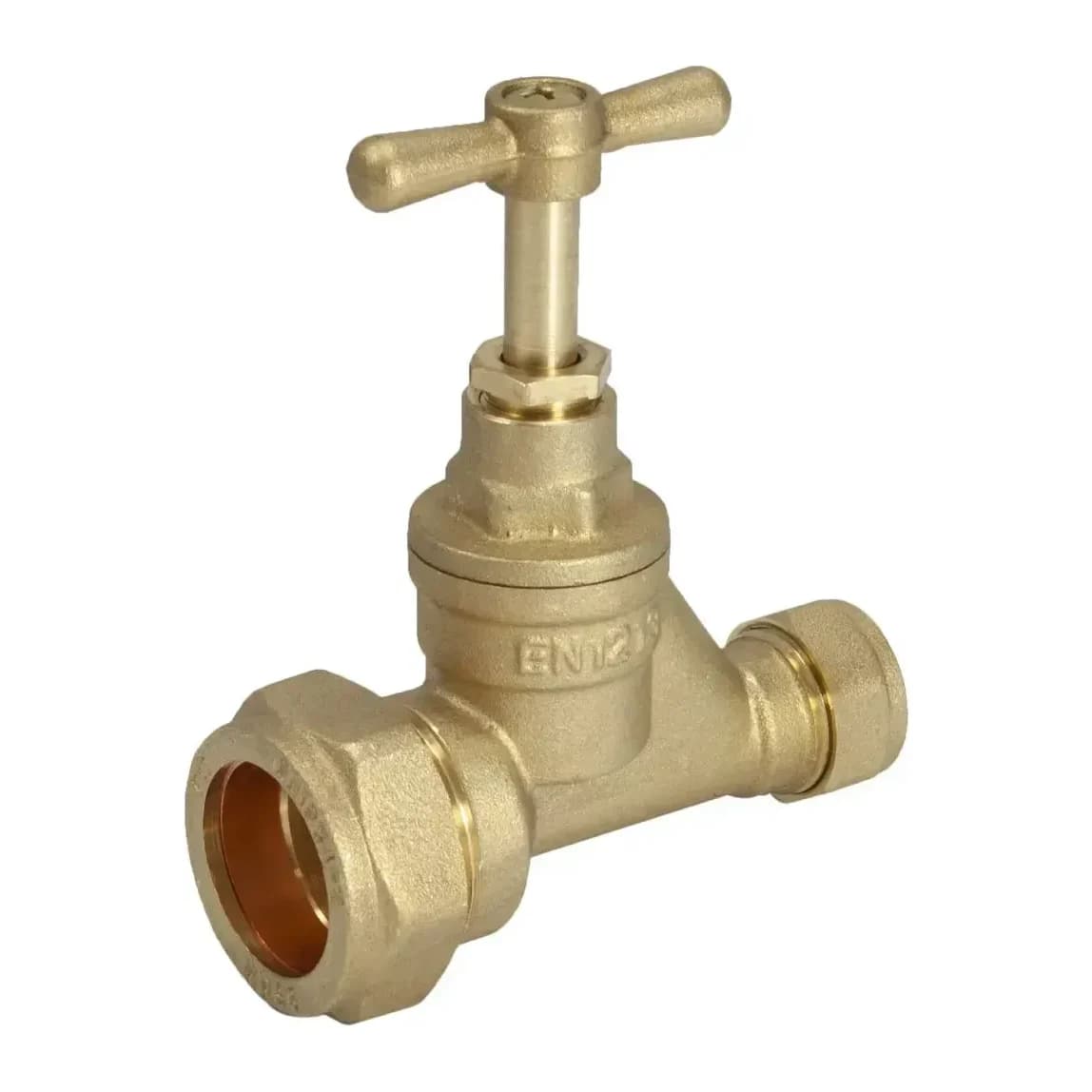 In stock
London Plumbing
MDPE Stopcock2 sizes available
Frominc VAT£5.92 ex VAT
✓ Delivery available✓ Collect today
Frozen boiler condensate pipe
Condensing boilers drain water through a plastic condensate pipe, often outside. When it freezes the boiler locks out, usually with a fault code and sometimes a gurgling sound. Pour warm — not boiling — water along the outside pipe until it clears, then reset the boiler as its manual says.
To stop it happening again, the external run should be as short as possible, at least 32mm in diameter and insulated. A heating engineer can reroute it inside where possible.
Questions
- At what temperature do pipes freeze?
- Water freezes at 0°C, but pipes in unheated spaces usually only freeze after several hours below about −2°C to −5°C outside, depending on insulation and wind.
- Should I leave the heating on to stop pipes freezing?
- Yes — on low or the boiler's frost setting through a cold spell, even when you're away. It's far cheaper than a burst pipe.
- How do I thaw a frozen pipe?
- Turn off the water, open the tap it feeds, and warm the pipe gently from the tap end back with a hairdryer or warm cloths. Never use a flame.
- How do I protect an outside tap?
- Turn it off at the isolating valve inside, open the outside tap to drain it, and fit an insulated cover.
Related guides
- Heating & boilersHow to Bleed and Balance Radiators