
The short answer
Lift the cistern lid and look at the water level. If it's up at the top of the overflow tube or running out of the overflow pipe, the fill valve isn't shutting off: lower the float, or replace the valve or its washer. If the level is below the overflow but water still trickles into the pan, the flush valve's seal is leaking: replace the seal or the flush valve. Turn the water off at the isolating valve first.
Fill valve or flush valve?
| What you see | Likely cause | Fix |
|---|---|---|
| Water level at the top of the overflow tube; water running into the pan | Fill valve not shutting off | Lower the float; replace the washer or fill valve |
| Water running out of an outside overflow pipe | Fill valve not shutting off | As above |
| Level below the overflow, but a trickle into the pan | Flush valve seal leaking | Replace the seal or flush valve |
| Cistern refills on its own every so often | Flush valve seal leaking slowly | Replace the seal or flush valve |
| Water on the floor behind the pan | Pan connector, doughnut washer or cistern bolts | Find the drip, then reseal |
A drop of food colouring in the cistern helps: if colour shows in the pan without flushing, the flush valve is leaking.
Before you start
Turn the water off at the isolating valve on the pipe to the cistern — a quarter turn with a flat screwdriver, so the slot is across the pipe. No isolating valve? Turn off the stop tap, and fit one while the water's off. Then flush to empty the cistern and sponge out the rest.
Fixing the fill valve
- Adjust the level first. Most modern valves have an adjusting screw or a float that slides on a rod; set the water about 25mm below the top of the overflow.
- Replace the washer or diaphragm if it still won't shut off. They wear, especially in hard water.
- Replace the valve if it's old or cracked. Note whether it's bottom entry (the pipe comes up under the cistern) or side entry, and the thread — usually 1/2" BSP.
- Fit the new valve with its washers either side of the cistern wall, hand-tight plus a little, reconnect, turn the water on and set the level.
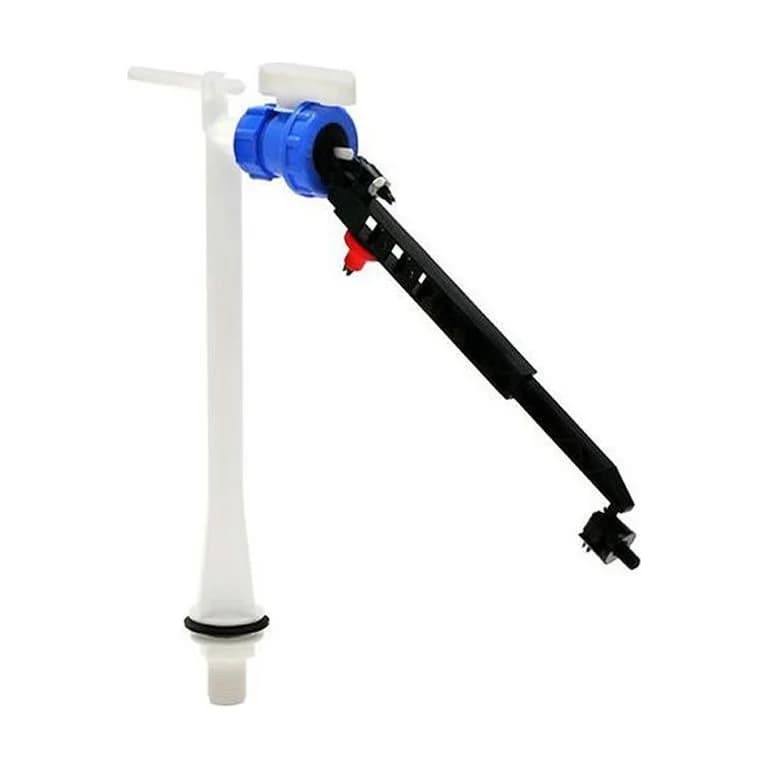 In stock
Delchem
Fluidmaster 8.5" Delchem Adjustable Arm Fill Valve (B704A)Code: LP-1F8V92B
inc VAT£4.58 ex VAT
✓ Delivery available✓ Collect today
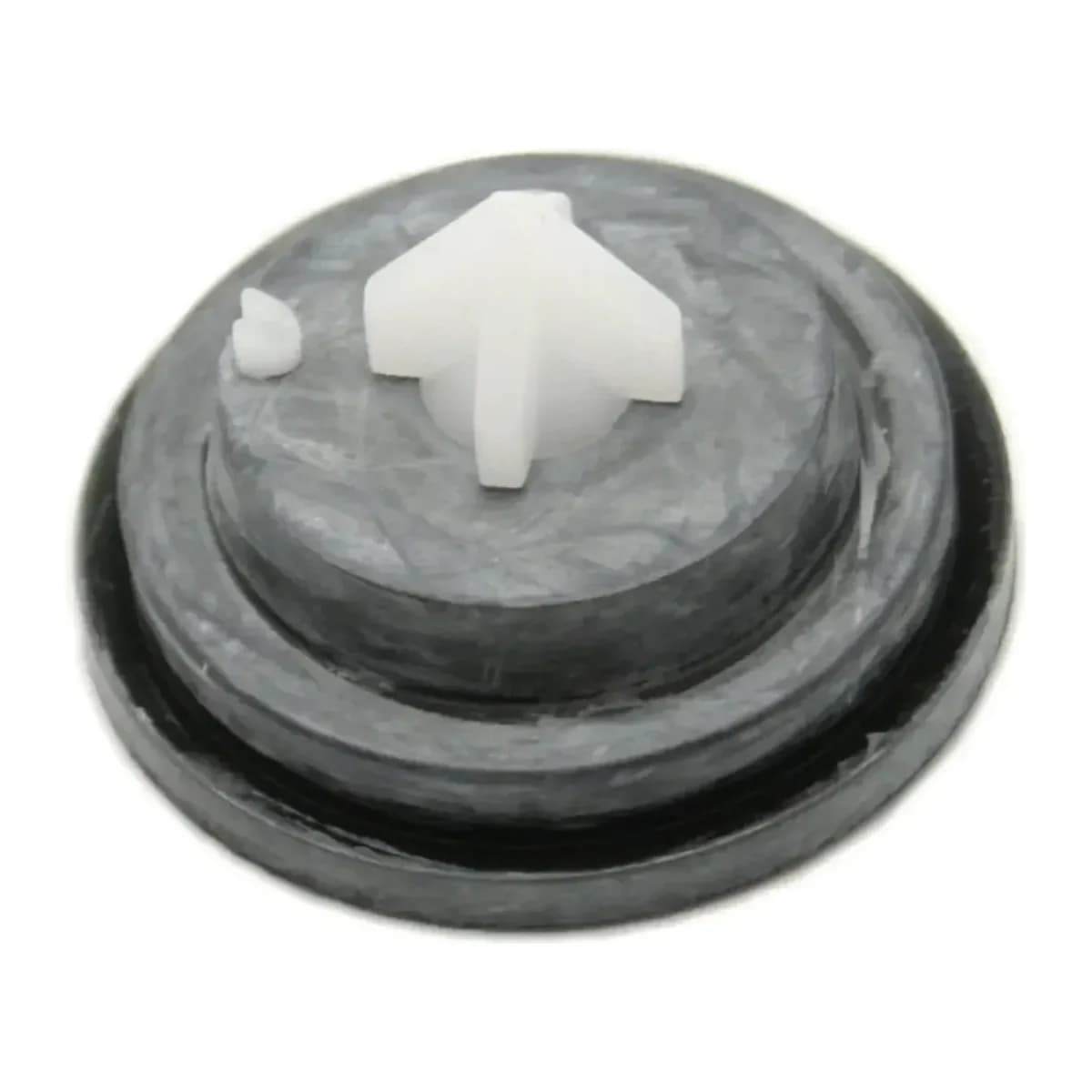 In stock
London Plumbing
Diaphragm Washer for Siamp Float ValveCode: LP-PQBPG7
inc VAT£4.69 ex VAT
✓ Delivery available✓ Collect today
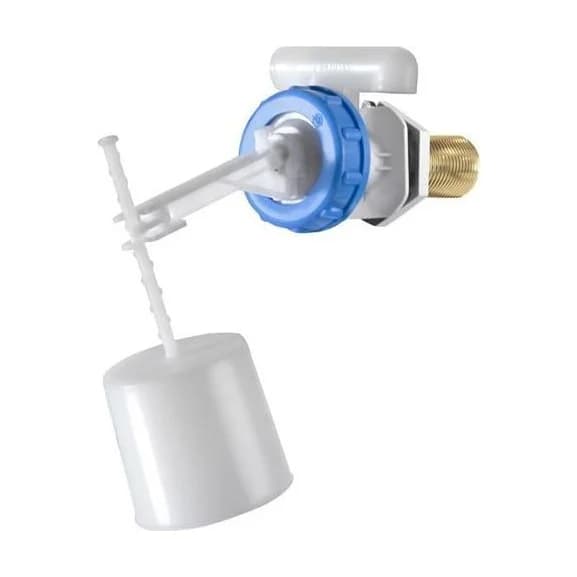 In stock
London Plumbing
Torbeck Filling ValveCode: LP-DTYFJ8
inc VAT£5.26 ex VAT
✓ Delivery available✓ Collect today
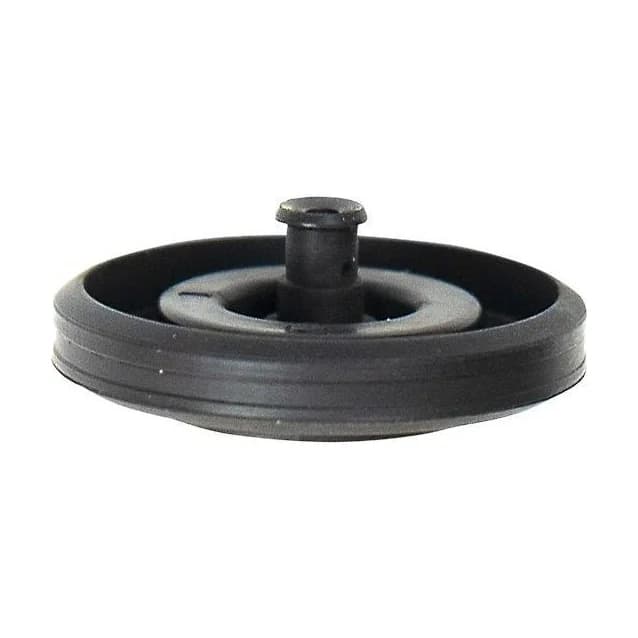 In stock
Fluidmaster
Fluidmaster Ballvalve Seal WasherCode: LP-1587NPD
inc VAT£6.38 ex VAT
✓ Delivery available✓ Collect today
Fixing the flush valve
Push-button cisterns use a drop valve that lifts off a rubber seal. When that seal wears or gets grit on it, water seeps into the pan.
- Many flush valves twist or unclip from their base, so you can clean or replace the seal without removing the cistern.
- If the whole valve has to come out, on a close-coupled toilet that means lifting the cistern off the pan — have a new close-coupling kit and doughnut washer ready.
- Match the replacement to the cistern's outlet size and the button or lever, and set the flush volume.
Older lever cisterns use a siphon instead. A siphon doesn't usually let water run into the pan; if one doesn't flush properly, its diaphragm is worn.
Leaks behind the pan
Water on the floor is usually the pan connector, the doughnut washer between cistern and pan, or the cistern bolts. Dry everything, flush and watch where the first drip appears. Pan connectors come straight, offset, angled and flexible to suit how the pan lines up with the soil pipe.
Questions
- Why does my toilet keep running?
- Either the fill valve isn't shutting off, so water rises into the overflow, or the flush valve seal is leaking into the pan. Check the water level against the overflow to tell which.
- Why does my cistern keep refilling on its own?
- Water is slowly leaking past the flush valve seal into the pan, so the fill valve tops it up. Replace the seal or the flush valve.
- Which fill valve do I need?
- Bottom entry or side entry to match the cistern, usually with a 1/2" BSP inlet. Bring the old one to the counter if you're not sure.
- Do I need to remove the cistern to replace a flush valve?
- Often not — many unclip from their base. On a close-coupled toilet where the whole valve must come out, the cistern has to come off.