
The short answer
Match the head to your water supply first. Big rainfall heads (200–400mm) need the strong flow of a combi, unvented cylinder or pump; on a gravity system a handset or small head works better. Nearly all UK heads, handsets and hoses use ½" BSP threads, so most swap over. Choose a hose that reaches comfortably — 1.25m on a slide rail, 1.5m as standard, longer over a bath — and on an electric shower, fit only the maker's approved handset.
Rainfall head, handset or both?
A fixed overhead head — rainfall, drencher or rain head — sits on a wall or ceiling arm and pours water straight down over you. A handset sits on a hose in a holder, so you can take it down to rinse off, wash children or clean the tray. Many showers have both, with a diverter on the valve to switch between them.
| Fixed rain head | Handset | |
|---|---|---|
| Sizes | 200mm to 400mm, round or square | Hand-sized |
| Spray | A soft, wide rainfall spray | Often several patterns: spray, massage, mist |
| Flow it needs | Plenty, and more the bigger the head | Works on lower flows |
| Best on | A combi, an unvented cylinder or a pumped supply | Any supply, including gravity and electric showers |
| Fixing | Wall or ceiling arm, ½" BSP | Hose to the valve or a wall outlet, with a holder on a rail or bracket |
| Rinsing the tray and walls | No | Yes |
A 2-way or 3-way shower gives you both. SCN's thermostatic exposed showers come as a 1-way with a slide rail and handset, or as a 2-way or 3-way with a 200mm head on a riser rail as well, from £96.02.
Which shower head works with your water pressure?
A head can't make more water: it can only spread or concentrate what arrives. A 300mm rain head spreads the flow over a wide area, so it needs plenty to feel good, while a small handset concentrates it into a stronger spray.
- Combi boiler: about 10–14 litres a minute, depending on its size. A 200–250mm head is comfortable; 300–400mm can ask for more than a smaller combi can heat.
- Unvented cylinder or a pumped shower: the best match for large rain heads.
- Gravity, no pump: a handset or a small head. A large head gives a weak, dribbly spray.
- Electric shower: only the handset and hose its maker approves — see below.
On a weak supply, choose a head without a flow regulator — those restrict the flow on purpose to save water — and with fewer, finer nozzles. Before you blame the supply, descale the old head: a scaled-up head is one of the commonest causes of a weak shower. Our low water pressure guide shows how to measure what you have, and our shower types guide how to get more.
Can you change the head on an electric shower?
Only for one the shower's maker approves for that model. An electric shower heats a small amount of water quickly, and it's designed around a particular flow through a particular handset and hose. A restrictive head, a flow-limiting eco head or a long, kinked hose can raise the pressure inside the unit and trip its pressure relief device. A rain head is out of the question: an electric shower doesn't give the flow.
Fitting a head or hose the maker hasn't approved can also void the shower's warranty. The instructions list the right parts, or bring the old handset to our counter and we'll help you match it.
Riser rails, slide rails and shower arms
- Slide rail: a rail with a sliding holder for the handset. The hose runs from the valve or a wall outlet to the handset. Use it with a 1-way valve, or alongside an overhead head on a concealed shower; the SCN slide rail kit includes the handset and hose, £44.61.
- Riser rail: a rigid pipe that carries water up from an exposed bar valve to a fixed head on top, with a sliding holder for the handset on the way. It's what makes a 2-way bar valve kit work, and a telescopic one adjusts to the room.
- Wall or ceiling arm: holds a fixed rain head on a concealed valve's outlet. A wall arm reaches out over the shower; a ceiling arm drops the head straight down. Both take a ½" BSP head.
- Wall outlet: the elbow on the wall that connects a handset hose to a concealed valve. SCN's hand shower sets include one with a built-in holder.
Rails and arms fix through the tiles or wall panels, so drill with a tile bit, use fixings suited to the wall, and seal round each fixing with silicone. On plasterboard, the fixings need something solid behind them.
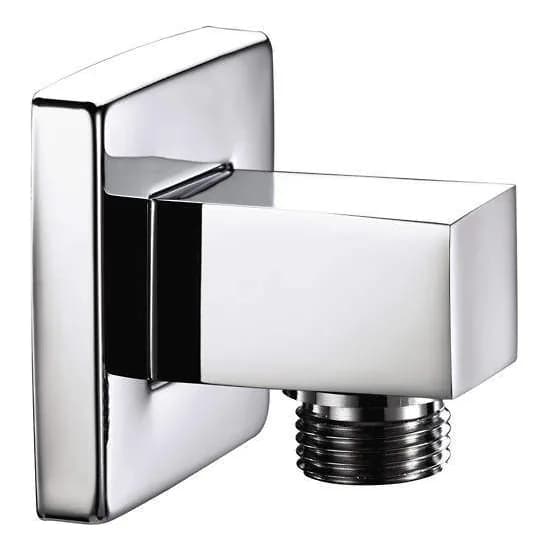 In stock
SCN
SCN Shower Wall Outlet4 options available
Frominc VAT£18.58 ex VAT
✓ Delivery available✓ Collect today
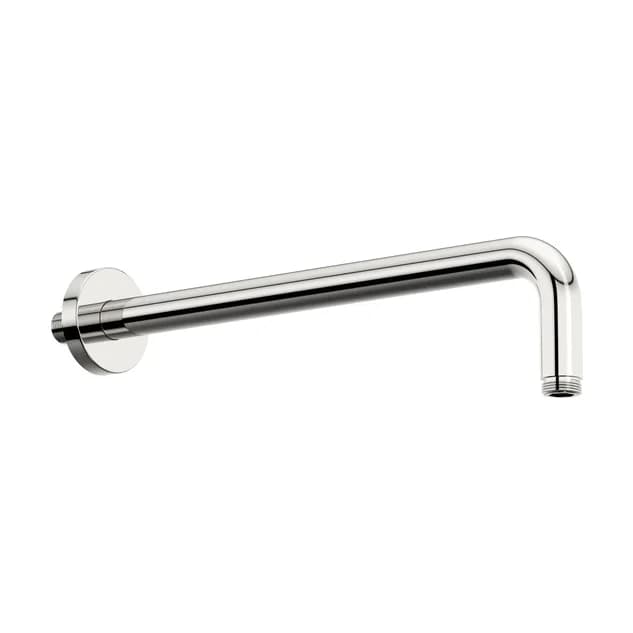 In stock
Kartell
Round Wall Mounted ArmCode: LP-1G4H0CJ
inc VAT£19.77 ex VAT
✓ Delivery available✓ Collect today
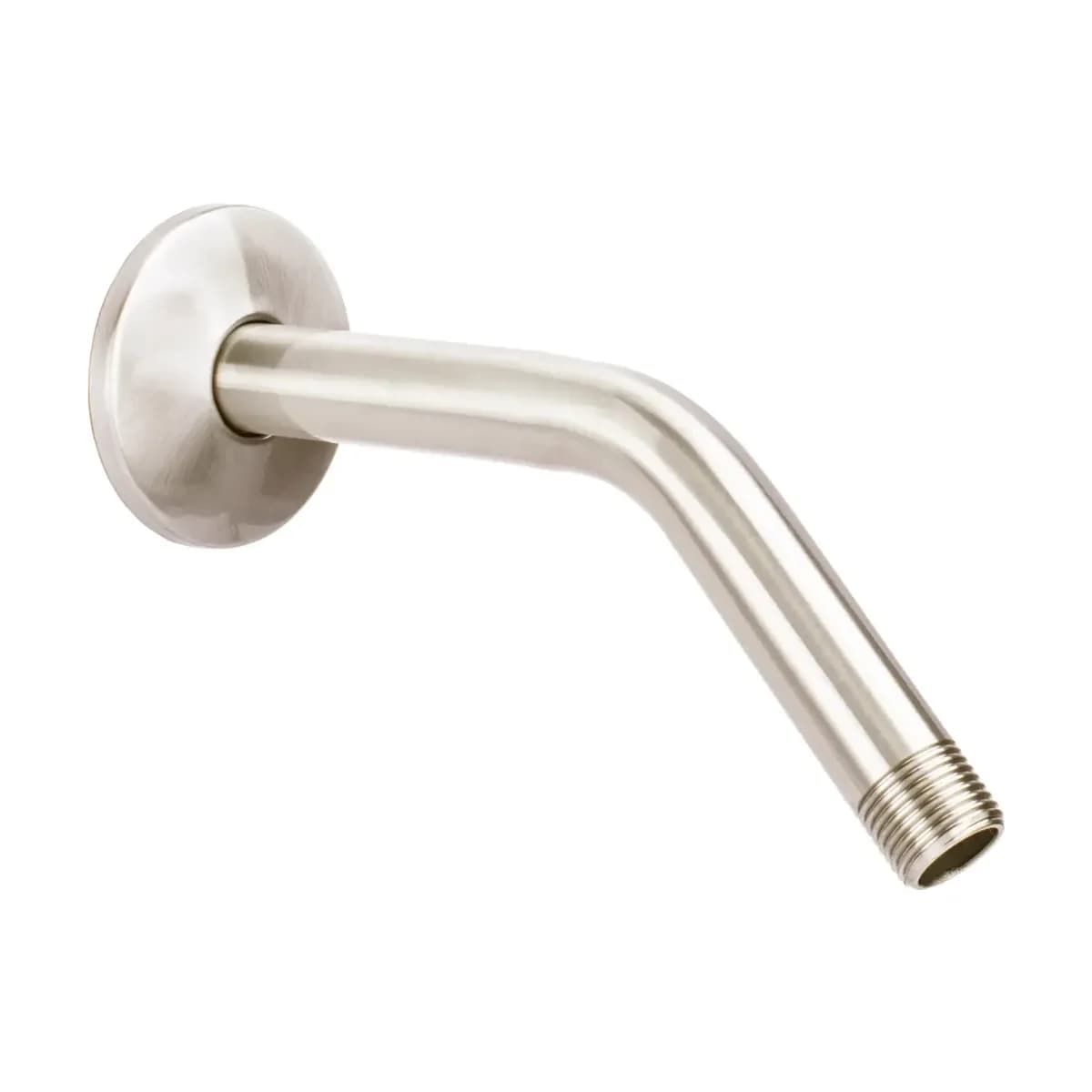 In stock
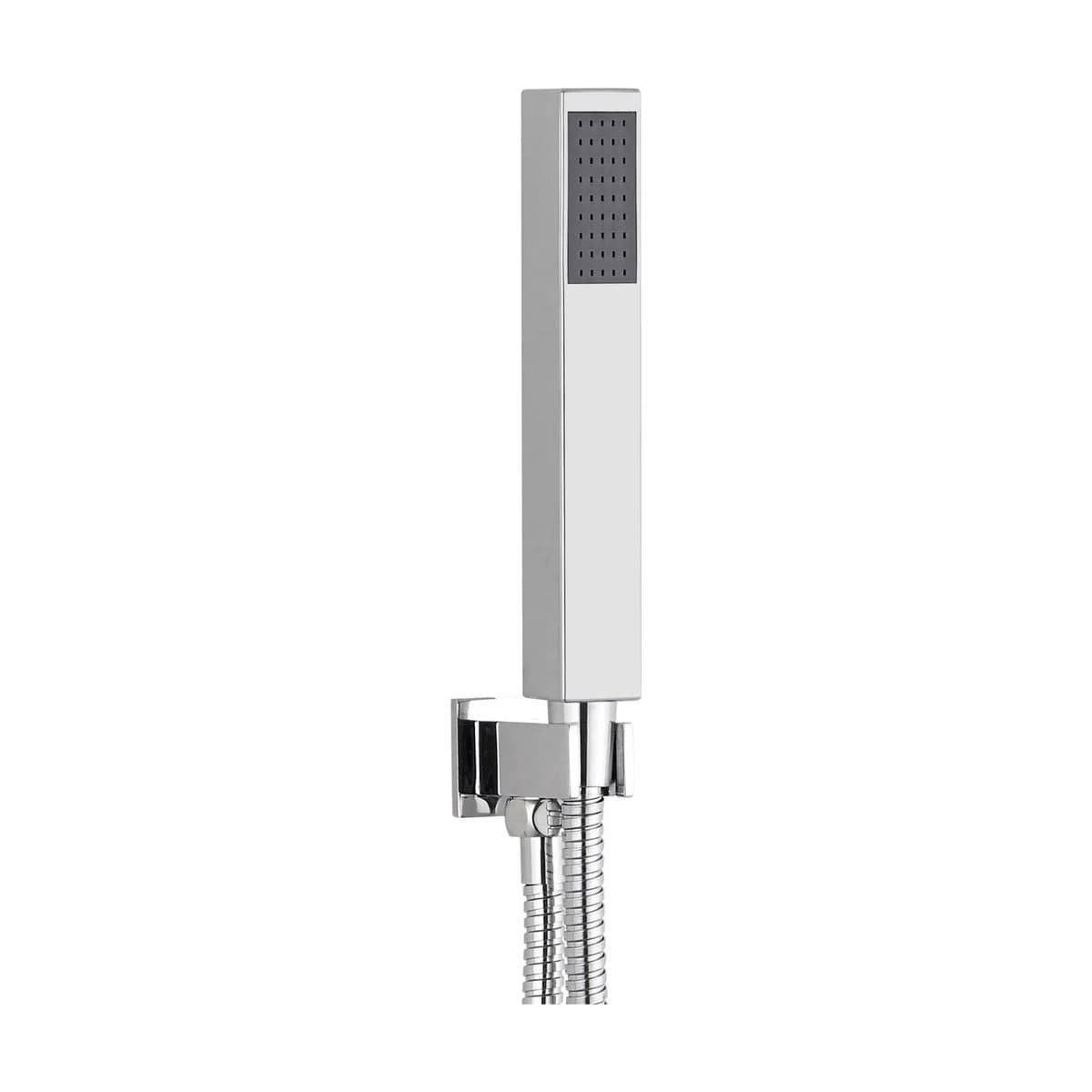 In stockRound Shower Outlet Elbow with Handset Bracket
Code: LP-1PB37P5-2
inc VAT£21.00 ex VAT
✓ Delivery available✓ Collect today
What length of shower hose do you need?
| Length | Suits |
|---|---|
| 1.25m | A slide rail or bar valve kit in an enclosure, where the hose only runs from the valve to the handset |
| 1.5m | The standard length for most slide rails and wall outlets |
| 1.75m | A higher rail, or a wall outlet set low on the wall |
| 2m | A bath shower mixer, or a handset that has to reach the far end of a bath |
Longer isn't better. A hose that lets the handset drop into the bath, the basin or the toilet is a backflow risk, because dirty water can be drawn back into the supply. The water regulations call for protection where that can happen — usually a hose-retaining ring or holder that keeps the head out of the water, or check valves on the supply. Choose the length that reaches comfortably and no further.
Smooth PVC hoses are light, flexible and wipe clean; stainless double-interlock hoses have the classic metal look and stand up to knocks. We stock 1.5m and 2m PVC hoses from £4.84 and a 1.25m KeyPlumb double-interlock hose.
Are shower heads and hoses universal?
Almost all UK shower heads, handsets, hoses, arms and valve outlets use a ½" BSP thread, so a new head will screw onto your old arm or hose. Our BSP thread guide shows how to check one. The joint seals on the rubber washer inside the nut, not on the thread, so don't use PTFE tape: tighten by hand, then a little more.
The two ends of most hoses differ. The cone end screws onto the handset and sits snugly in a cone-shaped holder; the nut end goes on the valve or wall outlet. Fitted the other way round, the handset may not sit properly in the holder, so note which way your old hose went, and check the new handset's handle fits your holder.
A few branded systems and some electric showers use their own fittings, so check the instructions before you mix makes.
Limescale and cleaning
London's water is hard, and limescale is what finishes most shower heads: it blocks the nozzles and weakens and skews the spray. Choose a head with soft rubber nozzles — every SCN ultra-slim head has them — or one sold as anti-limescale or easy-clean, and rub the nozzles with a thumb every week or two to flick the scale out.
For a heavier build-up, unscrew the head and soak it in a descaler that's safe for its finish, then rinse it well. Chrome is the most forgiving; matt black, brushed brass and brushed bronze need the gentlest cleaner the maker allows, and never an abrasive. Our cleaners and descalers are on the chemicals shelf.
Shower heads and handsets on our shelves
We stock 22 shower heads and handsets from £9.69, and 46 hoses, rails, arms and outlets.
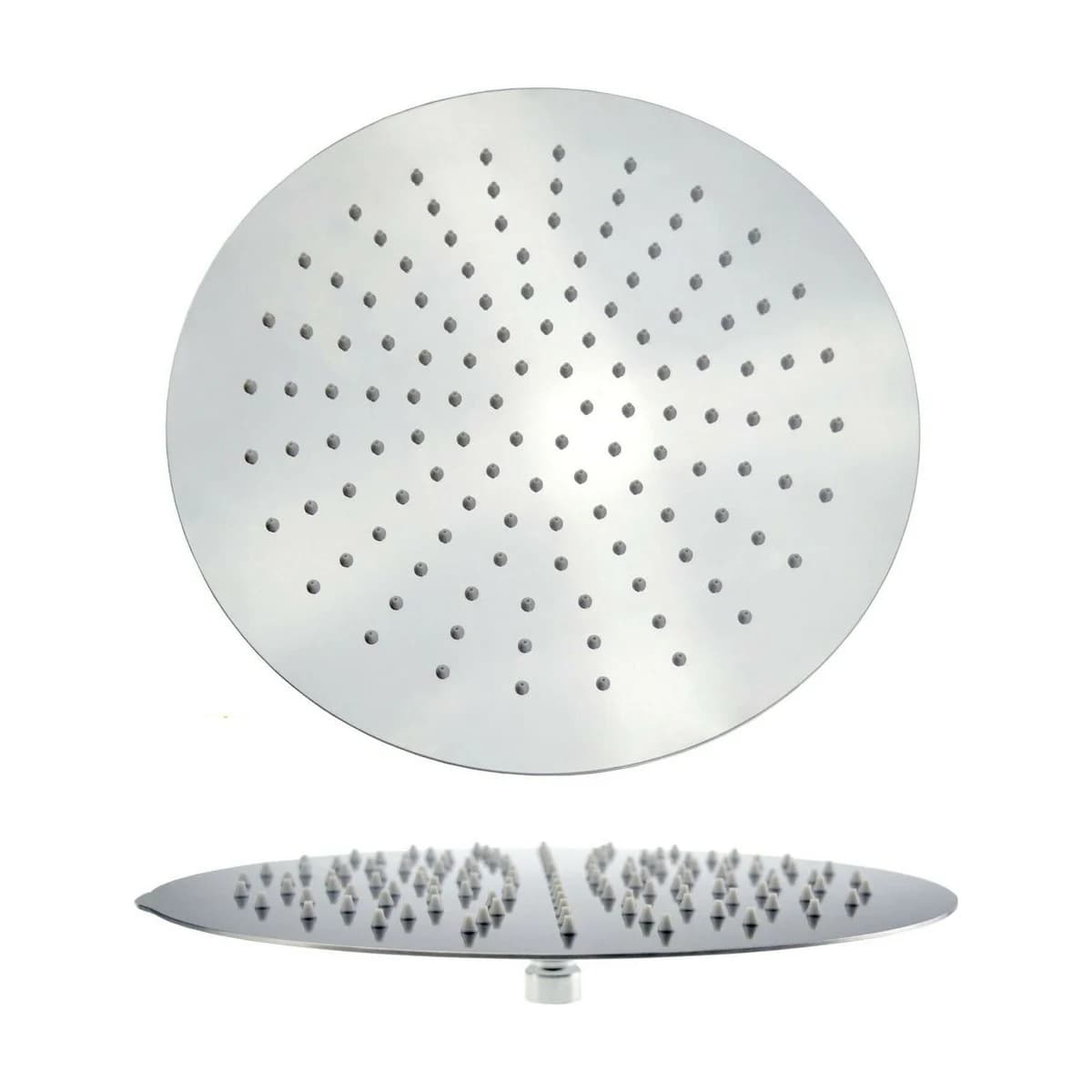 In stock
Kartell
Kartell Round Stainless Shower Head 200mm (SHO118RO)Code: LP-1J79KW1
inc VAT£22.35 ex VAT
✓ Delivery available✓ Collect today
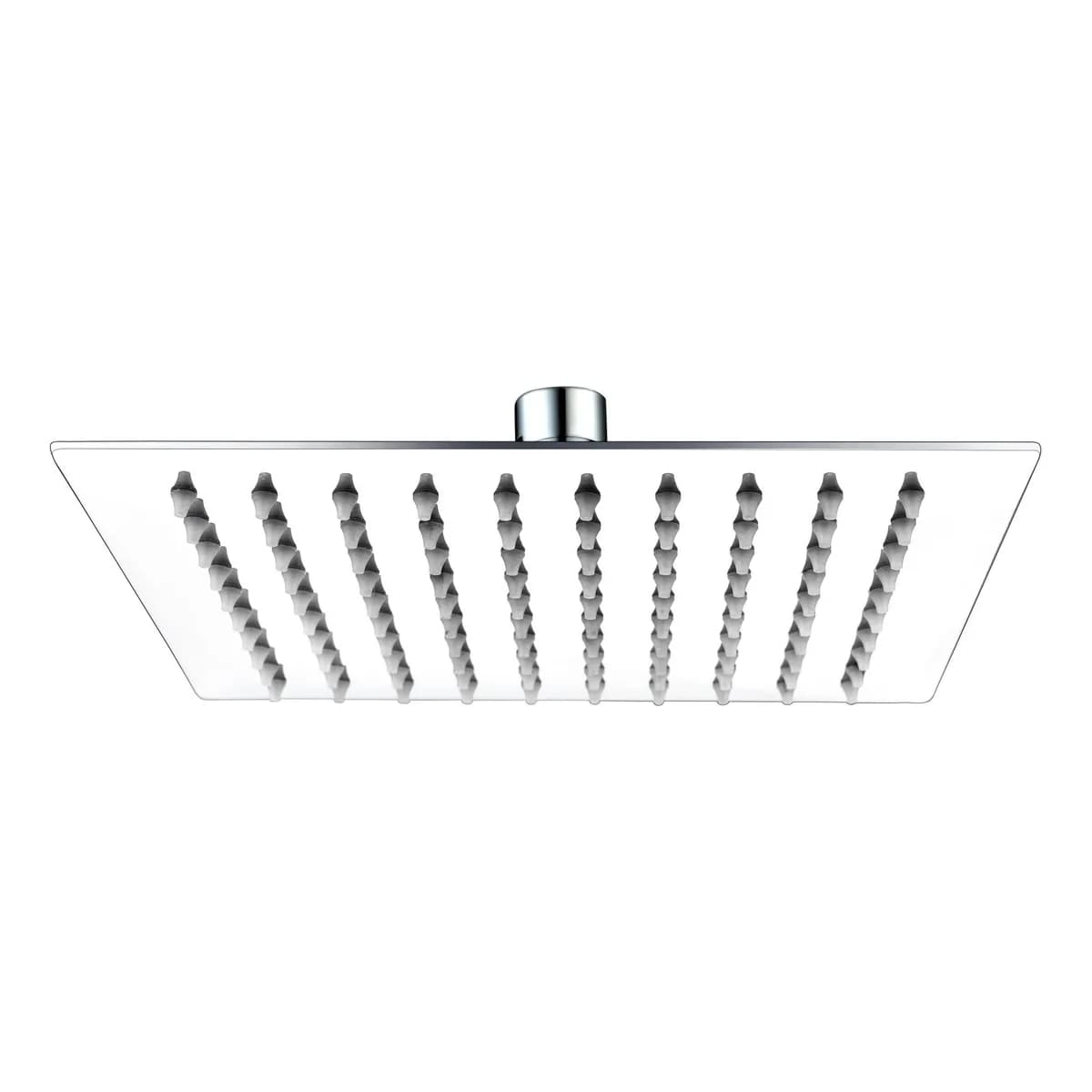 In stock
SCN
SCN Ultra Slim Fixed Shower Head11 options available
Frominc VAT£26.67 ex VAT
✓ Delivery available✓ Collect today
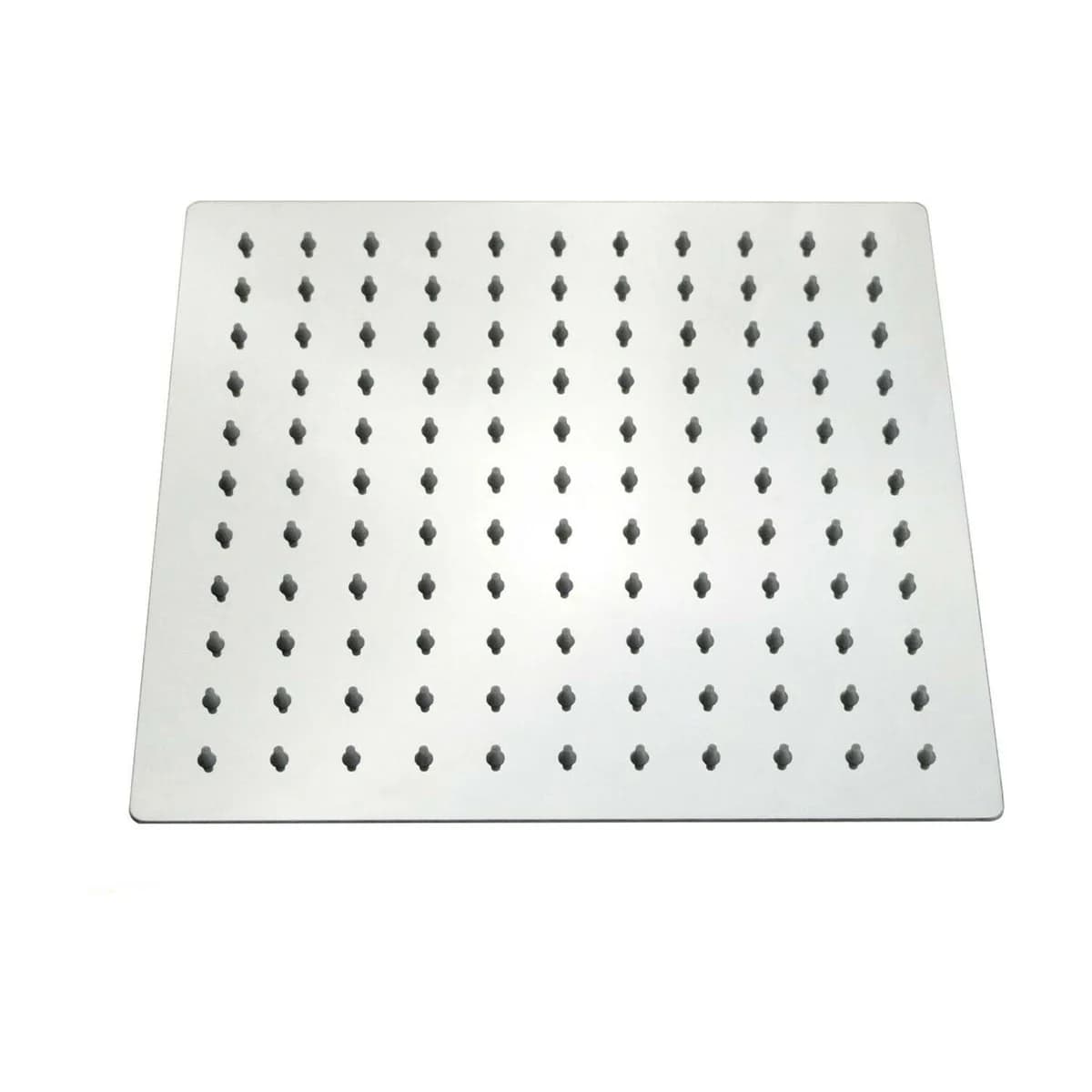 In stock
Kartell
Kartell K-Vit Square Drencher Shower Head 200mm - SHO114SQCode: LP-SIG8V6
inc VAT£28.28 ex VAT
✓ Delivery available✓ Collect today
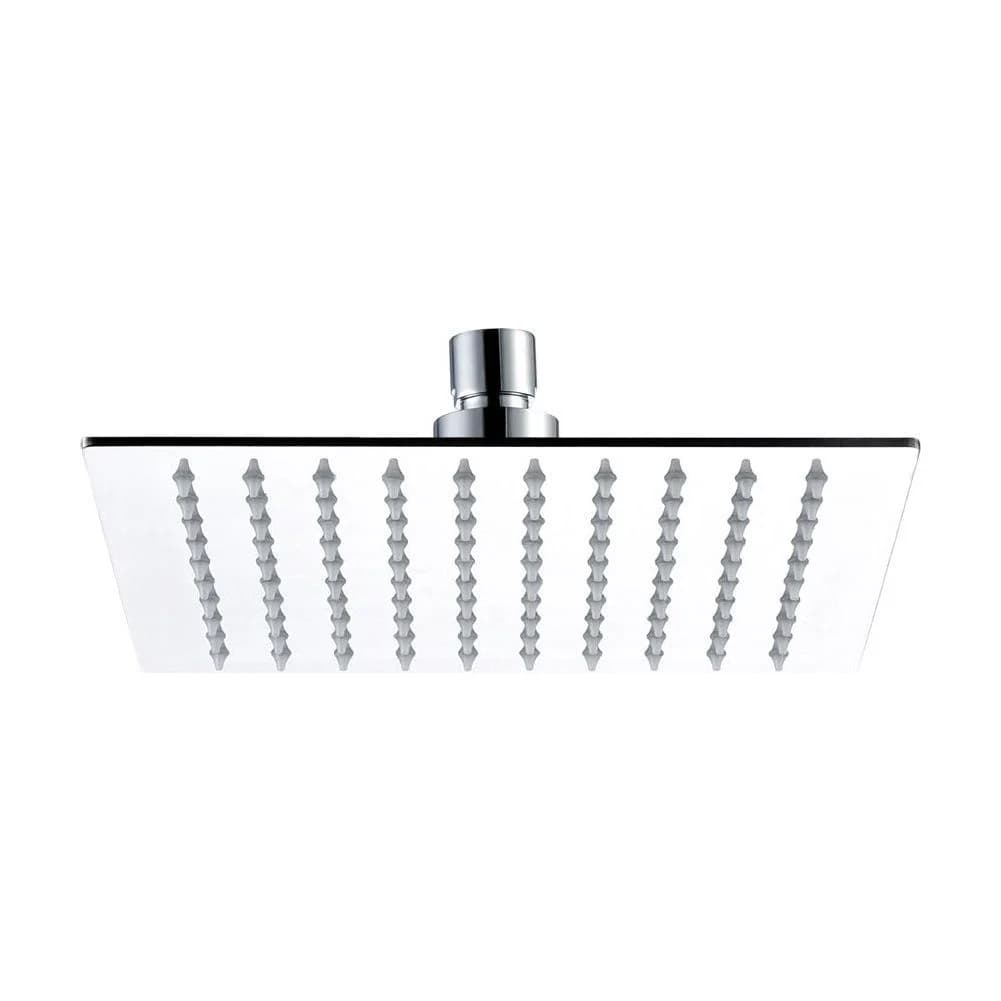 In stock8" Square Slim Rain Shower Head, Chrome Stainless Steel
Code: LP-1VB9QA4
inc VAT£39.47 ex VAT
✓ Delivery available✓ Collect today
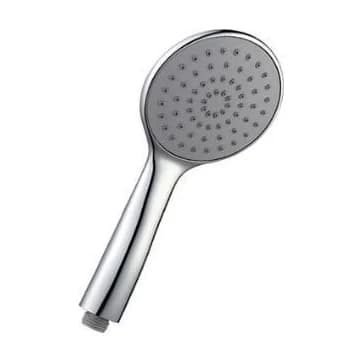 In stock108mm Single Function Chrome Handshower
Code: LP-1FDEIZ1
inc VAT£8.08 ex VAT
✓ Delivery available✓ Collect today
 In stock
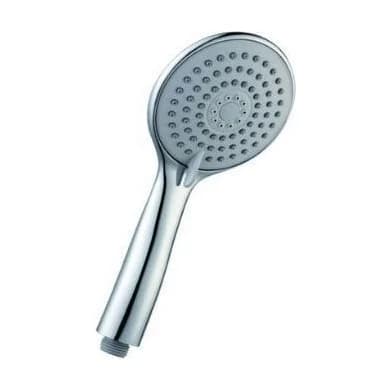 In stock3 Function Anti-Limescale Shower Handset, Chrome
Code: LP-M3MQQ2
inc VAT£9.05 ex VAT
✓ Delivery available✓ Collect today
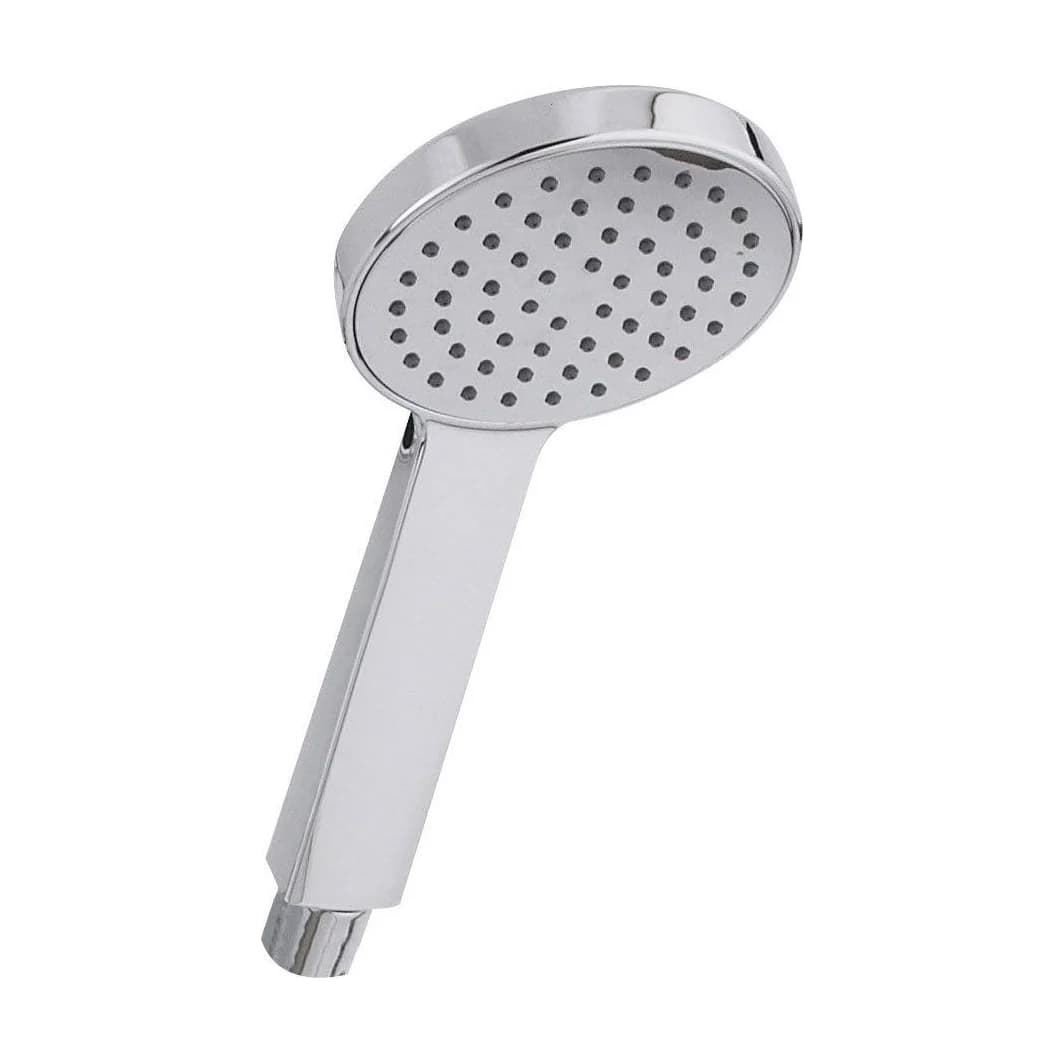 In stockEasyclean Round Shower Handset
Code: LP-1DB16HL
inc VAT£9.69 ex VAT
✓ Delivery available✓ Collect today
Click & collect from our Chingford counter, usually ready in about an hour, or delivery anywhere in Great Britain — free over £250 ex VAT, otherwise £8.34.
Questions
- Are shower heads universal in the UK?
- Very nearly. Heads, handsets, hoses and arms almost all use ½" BSP threads, so they swap between makes. Some electric showers and branded systems are the exception, so check the instructions.
- What's the best shower head for low water pressure?
- A handset or small head with fewer, finer nozzles and no flow regulator. A big rainfall head spreads a weak flow too thinly. Descale the old head first, as it may be the real problem.
- Can I put a rainfall head on an electric shower?
- No. Electric showers give about 3.5–6 litres a minute and should only be used with the handset and hose their maker approves. Anything else can trip the pressure relief device and void the warranty.
- What's the difference between a riser rail and a slide rail?
- A riser rail carries water up to a fixed overhead head as well as holding the handset. A slide rail only holds the handset, with the hose running from the valve or a wall outlet.
- How often should I descale a shower head?
- In hard water like London's, rub the rubber nozzles every week or two, and soak the head in a descaler safe for its finish when the spray starts to skew or weaken.
- Why does my new shower hose leak at the nut?
- Usually a missing, doubled or pinched washer, because the thread itself doesn't seal. Check there's one flat washer in each nut, seated squarely, and don't add PTFE tape.
Related guides
- Bathrooms & showersElectric vs Mixer vs Power Shower: Which Is Right for Your Hot Water System?
- Bathrooms & showersLow Water Pressure: Which Taps and Showers Will Work?
- Bathrooms & showersShower Enclosure Buying Guide: Types, Sizes and Which to Choose